


1.- THE ANCIENT LEGACY OF PERUVIAN GOLD
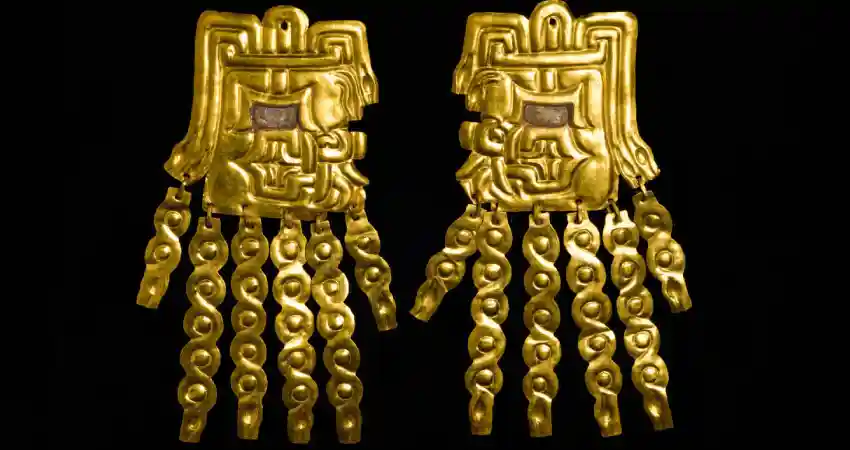
Within a general context, gold has existed throughout Peru’s history. However, it was not only an element of wealth; in fact, many cultures, such as the Moche, Sican, Chimu, and especially the Incas, mastered various advanced ancestral techniques, specializing in goldsmithing even centuries before the arrival of the Spanish conquistadors. In this way, they were able to create various items that were directly associated with ceremonies and rituals for religious purposes, as well as others that were used for ornamental purposes and stood out for the great complexity of their design and craftsmanship.
Among the various known methods are lost wax casting, hammering, and embossing, which allowed for the creation of funeral masks, breastplates, nose rings, headdresses, and many other items that were imbued with various symbols associated with spirituality and belief in the sun. It is important to understand that Peruvian gold jewelry was not only a luxury item; in fact, it is considered a symbol of political power, cultural identity, and part of Andean beliefs. This is the main motivation behind the creations of many contemporary artisans, just as it was for many others in the past who sought to perfect their craft with ancient Peruvian gold jewelry.
2.- TYPES OF PERUVIAN GOLD JEWELRY FOR TRAVELERS
2.1.- Traditional Earrings and Ear Ornaments
Among all the works of Peruvian Jewelry gold earrings are considered one of the most distinctive and unique pieces in Peruvian jewelry because they are made of filigree and their design originated in the northern part of the country, where we now know Catacaos and Piura. This is a delicate piece made from braided gold thread in an airy and elegant design, ideal for those who appreciate traditional techniques, as it highlights the fine finishes with which it is made. Another aspect that stands out at first glance is that there are chandelier-shaped earring options inspired by colonial elements with a presence of ancient pre-Columbian cultures, where the combination of geometry and nature is evident. Today, contemporary master artisans have reinterpreted the style with modernity while maintaining the essence of the past, managing to adapt to current trends.

2.2.- Necklaces and Pendants
Another item that is undoubtedly in high demand are gold necklaces, which are often distinguished by designs inspired by pre-Columbian elements such as pectorals, which were mainly worn by priests, as well as beaded necklaces with zoomorphic motifs. In the case of charms, they are mainly based on religious elements such as the Andean and Christian cross, which are represented with cultural symbols such as the sun or the chacana. Also noteworthy is the presence of some modern pieces such as precious stones, traditionally using local stones such as Andean turquoise, pink opal, and chrysocolla, which reinforce their depth of symbolism. These are also invaluable souvenirs for the thousands of travelers seeking to acquire a piece of Peru’s hidden history.

| “Travel is the only thing you buy that makes you richer.” |
2.3.- Bracelets and Bangles
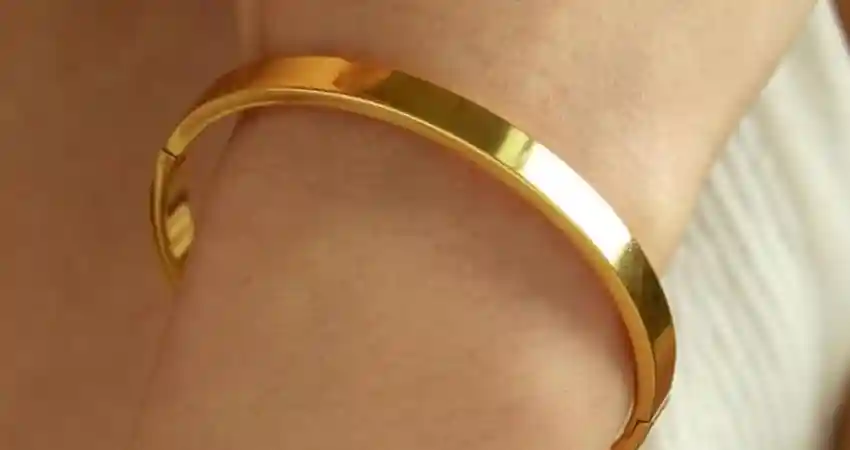
Among the bracelet options, Peruvian Gold Jewelry offers a wide range of unique styles, including bracelets woven with threads made specifically from gold, recreating the techniques used in Andean looms. The craftsmanship and skill of the master artisans is truly unparalleled. Inside each of these bracelets are various elements that are mainly associated with charms bearing cultural symbols representing animals that are sacred in the Andean worldview, such as the condor, puma, and snake, as well as other geometric details typical of Andean textiles. There are also cuff bracelet options that stand out for their embossed surfaces and high reliefs that simulate the ceremonial adornments worn by the upper class in Inca culture.
2.4.- Rings and Wedding Bands
Gold rings are considered one of the most expressive elements when it comes to ancient Peruvian gold jewelry. They represent not only elegance but also history and belonging. When talking about traditional marriages, it is known that rings with elements that integrate Inca patterns and symbolism about union and eternity are used. In many cases, gold rings have been considered a seal where family crests and cultural icons are engraved, which are quite popular, at least as pieces of heritage value. It has also been seen that many gold rings are made with precious stones such as amethyst, Peruvian emerald, or blue topaz, resulting in a unique and exclusive piece that stands out for its luxury.

2.5.- Specialty Items and Collectibles
There are also people who are enthusiasts and collectors of these items and are constantly looking for unique pieces. Fortunately, the variety that exists within Peruvian Jewelry gold is unique, as it offers special items such as gold miniatures, which seek to recreate idols of pre-Columbian origin and even elements that are part of mythology. It is also common to see ceremonial replicas of various items found in archaeological sites, and in some cases, these are limited edition pieces that are handmade by master goldsmiths who, to this day, keep the tradition of their ancestral techniques alive. Each of these pieces has a very high value because, in addition to being beautiful to the naked eye, they have a special connection to Andean beliefs.
3.- WHERE TO SHOP FOR AUTHENTIC PERUVIAN GOLD JEWELRY
3.1.- Lima’s Premier Gold Districts
The capital city of Peru is considered one of the main places where you can find high-quality Peruvian gold jewelry, as it is considered one of the main centers of trade for this mineral. As a recommendation, you can find some of the jewelry stores on Jirón de La Unión, which is one of the historic streets located within the city. The variety of jewelry stores that specialize in working with this material have decades of experience and are nationally recognized. There is also La Paz Avenue in the Miraflores neighborhood, where you can find several renowned and luxury boutiques offering a variety of unique and exclusive designs of the highest quality. For those looking for more affordable options, you can visit the central market, which is quite close to Abancay Avenue and has many gold sellers offering various handcrafted items.
One thing that stands out about the jewelry stores in Lima is that they are family businesses that have kept a jewelry tradition alive for many generations. Each of these offers personalized service and unique designs. There are also certified workshops where the purity of the gold, which is traditionally 18 karats, is verified to ensure its high quality. Thanks to artisanal techniques, this gold is turned into exclusive pieces. Among the most notable galleries and jewelry stores are Ilaria, Estilo Oro and D’Mario Joyeros, which blends contemporary art with cultural heritage, displaying unique pieces that have been signed directly by master artisans.
3.2.- Cusco and the Sacred Valley
In the ancient capital of Inca culture, you can also find unique and special pieces made from gold. This mainly occurs in the San Blas neighborhood, also known as the artisans’ neighborhood, as it is famous for its various artisan workshops that have been in operation for generations. Here, you can appreciate the entire process of making each of these pieces that are part of Peruvian jewelry. It is also possible to customize various elements according to the customer’s decision and choice. In the case of the Sacred Valley, the traditional market of Pisac stands out. It is located inside the Sacred Valley and contains unique sections where mainly gold pieces and various elements of jewelry with symbolic value are displayed, most of which contain Andean iconography with the purpose of expressing belief and tradition. It is also possible to find workshops where the process of jewelry making is demonstrated in a practical way, allowing travelers from around the world to understand more intimately the artisanal value behind each piece of gold.
3.3.- Regional Craft Centers
Other parts of Peru also offer gold jewelry. In the north, Trujillo stands out as one of the places where the goldsmithing tradition originated, directly influenced by ancient cultures that perfected the technique, such as the Mochicas and Chimu. In the south, the city of Arequipa stands out. With its colonial heritage, it has a collection of jewelry that has been part of the transition that took place when the Baroque style was combined with Andean techniques, creating unique and sophisticated pieces. The same is true in Puno and the surrounding area of Lake Titicaca, where designs are mainly associated with spiritual symbolism, highlighting the presence of bracelets and charms representing elements of Quechua and Aymara iconography.
4.- SHOPPING GUIDE AND BEST PRACTICES
It is important to understand that buying gold jewelry should be done intelligently, and for that it is important to understand more about fair prices within the Peruvian market. To begin with, remember that gold pieces will always depend on the purity of the mineral, which is usually 18 karats in Peru. It can also vary according to weight, the elaborate design, and whether or not it incorporates precious stones with handcrafted details. In some places, such as Cusco, it is normal to see considerably higher prices compared to other places, but this is mainly due to its tourist value. In other areas, such as Lima or Trujillo, there is more variety and competition, so another aspect that greatly affects the price is the tourist season. Currently, the price is recorded at s/391.24 soles per gram of gold, which is equivalent to $110.00 dollars.
A great tactic to get a modest price on these unique pieces is undoubtedly negotiation as this is a practice constantly used within the craft markets, it is a respectful way to express the genuine interest you have for the gold piece while offering a new lower offer, however it is important to be very cautious because undervaluing much work can be considered an offense, to reach this point it is important to establish a good relationship with the seller and in this way you can talk about reasonable discounts.
5.- Avoiding Common Pitfalls
Among the most common mistakes that can be found about gold jewelry in Peru is the excessive payment in prices without having verified the purity of gold and authenticity, it is important to request a certificate that proves the quality of the gold as it can be 18 carat or 750. It is also highly recommended that you can compare prices in the various places where you have interest to better appreciate the relationship between quality and price, remember that a handmade jewel containing a traditional design will always have a higher value but at the same time offers a deeper meaning.
6.- THE CITY OF GOLD
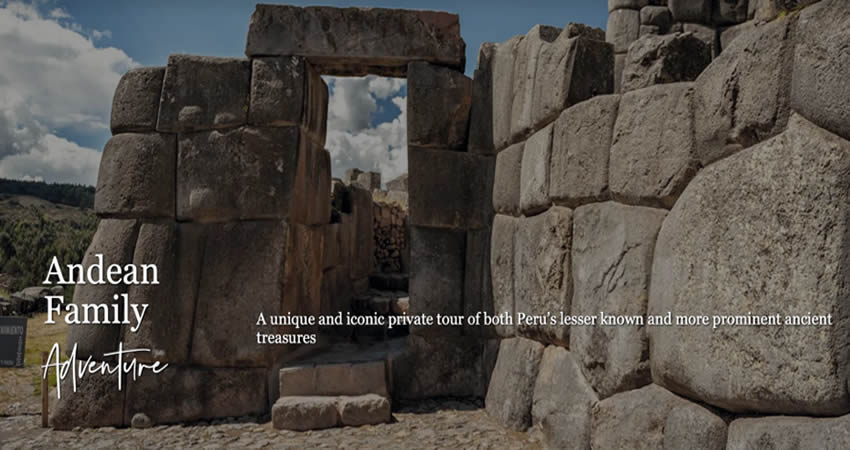
“History tells of the existence of a city made entirely of gold. This was the main motivation that drove the Spanish conquistadors to venture deep into Peru in search of this place, which was located very close to the city of Cusco, as it was considered the capital of Inca culture. According to the chronicles narrated by the Spanish themselves, this city remained hidden even centuries after the colony was established.”
7.- FAQs ABOUT PERUVIAN GOLD JEWELRY
- Where is the best place to buy gold jewelry in Peru?
There are many places where you can buy gold jewelry, although it will always depend on the experience you are looking for. The capital city offers a wider variety of luxury jewelry stores, but in Cusco and the Sacred Valley you can find pieces with a more special cultural value.
- How much should I expect to pay for authentic pieces?
The price may vary depending on the weight and purity of the gold, and it may also increase if it contains unique precious stones. A clear example is that a ring can vary in price from s/300.00 soles upwards, and customizing it can easily exceed s/1500.00 soles. Remember to ask for a certificate of authenticity to verify its authenticity.
- Is it better to buy in Lima, Cusco, or other cities?
If you are looking for variety, security, and uniquely finished pieces, Lima is your perfect option. Cusco, on the other hand, is where you will find pieces that contain symbols that are part of traditional culture and art. In other places, such as Arequipa or Trujillo, you can find a variety of quality pieces at more competitive prices due to less frequent tourism.
- Can I negotiate prices at gold jewelry shops?
This is especially true in artisan workshops or local markets. In luxury boutique stores, prices are more fixed, but you can get a special discount if you buy more than one piece.
- What are the best months to shop for gold in Peru?
A well-kept secret is that prices can vary depending on the tourist season. The low season, which runs from November to April, is when there is less demand, so prices may be reduced or subject to promotions and offers.
- Should I buy from markets or established stores?
You get an advantage in both cases: artisan markets have more affordable prices and offer pieces with unique cultural symbolism. Of course, in many cases, these lack a verification of authenticity, but established stores can provide this guarantee thanks to certificates of purity and origin of the mineral, although the price may be higher.
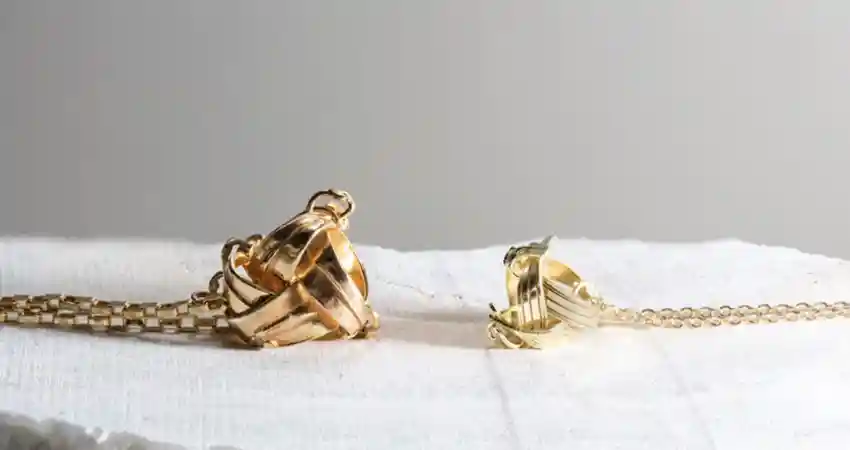
Peru is one of the countries with the largest gold reserves in the world, so when you acquire a piece of this mineral, you also gain a little of the culture that lies within it. Auri Peru promotes responsible travel and seeks to ensure that tourism benefits not only large companies but also the master craftsmen who have kept this goldsmithing tradition alive. Contact us and you can be part of a new form of responsible tourism that not only enjoys but also contributes to development.
“Every journey starts with a single step.”