

Understanding drinking water in Peru is a small but important part of planning a comfortable journey. At Auri Peru, practical details such as hotel standards, transfers, daily hydration, and destination logistics are considered alongside the itinerary so travelers can move through the country with greater confidence.
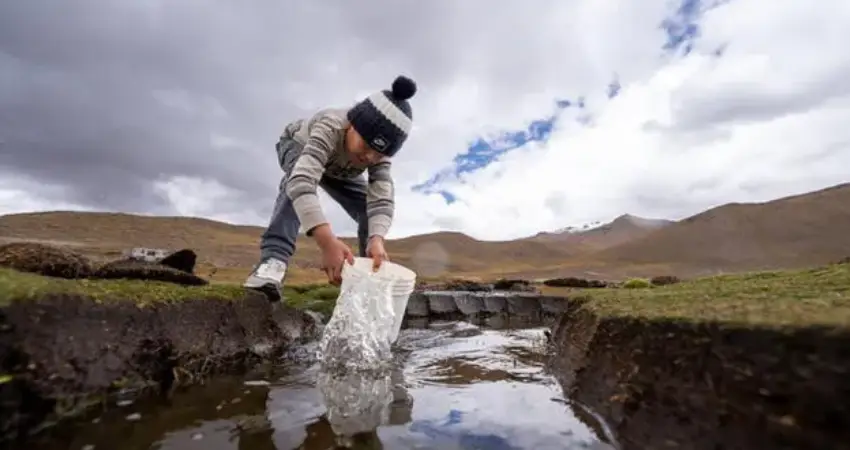
| Water Type | Recommended for Travelers? | Best Use | Notes |
| Tap Water | Not recommended for drinking directly | Hygiene in external areas of the body | Don’t consume under any circumstances |
| Bottled Water | Yes, when factory-sealed | Consume to hydrate the body | Make sure the bottle is sealed |
| Filtered Water | Only when it is treated properly, within establishments with adequate infrastructure | High-end hotels / popular restaurants | Consult the staff before consuming |
| Boiled Water | Yes, recommended in restaurants or hotels | Consume to hydrate the body | High-end hotels / popular restaurants |
| Purification Tablets | Only in emergency situations when bottled water is unavailable | Rural areas far from cities | Follow the instructions on the package. |
OVERVIEW OF WATER IN PERU
Unlike other parts of the world, drinking water in Peru is not only important today; in fact, its presence throughout history has allowed many great cultures to develop to their peak, even overcoming the country’s diverse geography. However, over time, the complexity of the situation has increased, resulting in many places and towns lacking a constant supply of this resource. In other cases, water sources are directly affected by external activities such as mining. For this reason, new options and ways to contribute directly to its conservation and responsible use for the development of society in urban centers and rural areas are constantly being sought.
National water infrastructure
Water in Peru is obtained through the complex water infrastructure that is structured by reservoirs, canals, treatment plants, sewage networks and distribution systems that constantly face great challenges due to the geographical variety that exists from the mountains in the Andes to extreme places such as the coast or the Amazon. Within cosmopolitan cities like Lima, Cusco, and Arequipa, where the presence of locals and international travelers is constant, one can enjoy a much more modern and up-to-date infrastructure, making access to drinking water much easier. Of course, there are always important details regarding water quality, which varies depending on the area and sector, so the recommendation is always to consume only bottled water. As populations move further away from urban centers, the infrastructure itself becomes poorer and simpler.
Overview of water treatment systems
Thanks to the progress made by the water treatment centers in Peru, access to Drinking Water has been improving considerably in certain urban areas, this treatment involves filtration, disinfection and in many cases desalination, mainly in coastal areas. Unfortunately this has meant that the quality of service in many rural areas is lower and in certain areas of the Andes and the Amazon the treatment is more limited, so the accessibility of safe drinking water is less.
Urban vs. rural areas
In densely populated urban areas, direct access to drinking water is easier due to the same need, essentially in highly populated cities such as Lima, Arequipa, Cusco, Trujillo and others where the percentage of investment has also been significantly higher. It should also be known that there is a great difference regarding water distribution; in some places there is even a set schedule with dates and times for people to obtain it. This is mainly in rural areas where a large part of the population does not have direct access, so their water consumption is more limited and inadequate, so they directly resort to untreated water sources.
COMMON WATER POLLUTANTS IN PERU
Bacteria and Viruses
In rural areas far from the city, it is more common for water to be affected or exposed to various components, which means that its treatment must be more careful so that it can be potable and suitable for human consumption. Bacteria and viruses are the most common to affect water quickly, causing salmonella and other pathogens that generate gastrointestinal problems.
Chemical contaminants
It is common for agricultural activities to also use certain elements such as fertilizers and pesticides that can end up scattered throughout the area and contaminate water sources such as rivers or groundwater. This also occurs due to illegal mining, which uses elements such as Mercury, Arsenic, Iron and Aluminum in large quantities to treat metals such as gold and silver, causing the water that flows through rivers, lakes, or other water sources to become contaminated.
Natural sediment
Natural sediments are also a factor that can affect water quality. This essentially occurs in high altitude areas such as the Andes where soil erosion, deforestation and climate change itself have caused considerable sediment that can end up in rivers, making the treatment system increasingly complicated.
CAN YOU DRINK TAP WATER IN PERU?
The short answer is no, although in many countries of the world this is a usual or normal custom in Peru the situation is completely different because the Drinking Water in Peru must first go through a treatment process. Even being in the main cities like Lima, Arequipa and Cusco it must be remembered that the quality of the distribution system and the state of the pipes are not always the best so the water that flows through the pipes is not for direct consumption.
Can You Drink Tap Water in Lima?
It is not recommended to drink tap water directly. Although the city’s water supply is treated, it is best for travelers to take extra precautions, especially if they are not used to the local water quality. In hotels and restaurants, you can consume bottled water that is factory-sealed or from beverage stations where boiled water is available in thermoses. Do not assume that water served in pitchers or dispensers is safe unless the establishment confirms it. When buying bottled water, check that the cap and seal are intact before drinking it.
Can You Drink Tap Water in Cusco?
No, travelers visiting Cusco should avoid drinking untreated tap water. Instead, it’s best to choose bottled water or water that has been safely boiled according to official health standards. This is generally better in reputable hotels and popular restaurants that take greater care with the hygiene and quality of the water they serve. Of course, you should also take extra precautions if you choose to drink water from a dispenser, pitcher, or refill station, checking with the staff to ensure it’s safe.
Why Tap Water Can Be Unsafe in Peru
Water quality can vary depending on the location, infrastructure, and effectiveness of local treatment systems. These are some of the main factors that can affect tap water in Peru:
| Factor | Where it is more common | Potential impact |
|---|---|---|
| Contamination | Remote and rural areas where water treatment may be limited. | Water can contain bacteria, viruses, or parasites that may cause gastrointestinal illness. |
| Poor infrastructure | Urban areas with aging or poorly maintained distribution pipes. | Water that was properly treated may become contaminated while passing through the distribution system. |
| Deficits in treatment systems | Primarily rural areas with limited or inefficient water-treatment infrastructure. | Water quality may not be reliable enough for direct consumption without additional treatment. |
DRINKING WATER TIPS FOR TRAVELERS IN PERU
- When buying bottled water, make sure it’s properly sealed and intact.
- Carrying a personal water bottle is useful for refilling water.
- Only refill water bottles at reputable locations such as recommended hotels and restaurants. Ask establishment staff about the purification of their water filters to determine if it’s safe to use their water refill stations.
- If your travel plans include rural destinations or areas far from the city, bring water purification tablets for added safety.
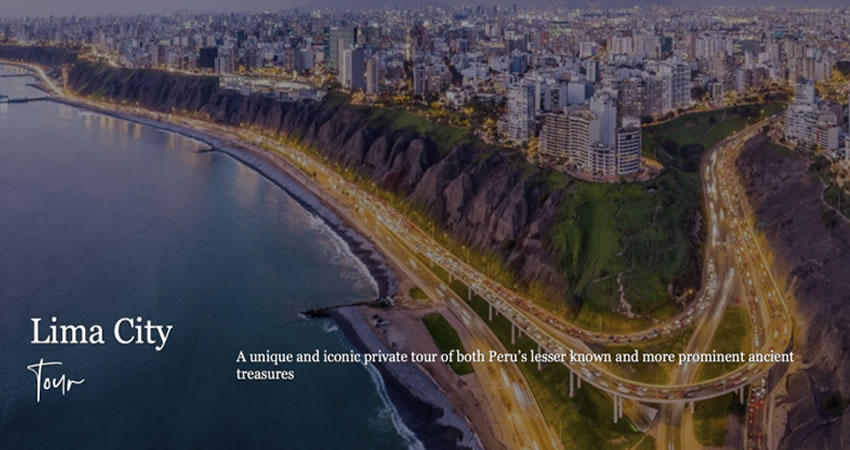 Your first experience in Peru will be getting to know Lima; discover a little more about this destination.
SAFE DRINKING WATER OPTIONS IN PERU
Bottled Water
Drinking bottled water is the safest and most suitable option for travelers worldwide when they need to rehydrate, primarily because it has already been properly treated and is optimally safe for consumption. Some well-known brands that you can easily find are Cielo, San Luis, San Mateo, Benedictino, and others. This water is also recommended because it undergoes a thorough purification process that includes filtration, ozonation, and disinfection with chlorine or ozone.
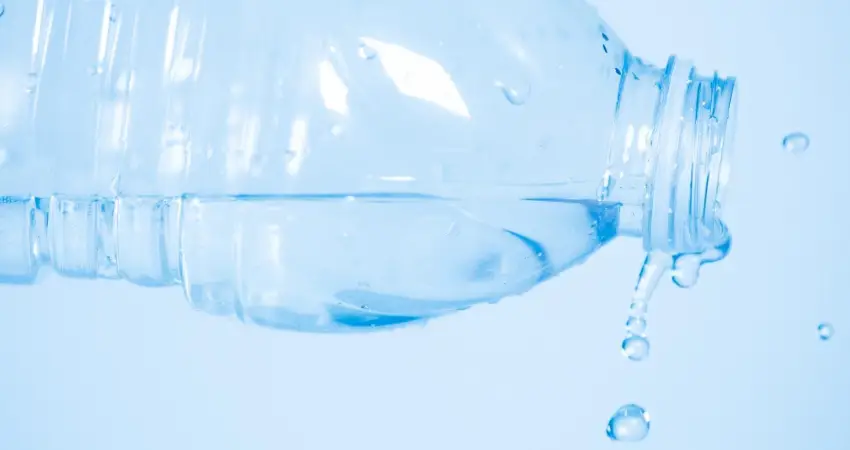
Bottled water is considered a safe alternative for consumption
These considerations are especially important if you’re planning a Luxury travel Peru, where comfort and safety are essential every step of the way.
Unfortunately this option involves a severe environmental impact due to the excessive use of plastic, in fact it is known that every year millions of bottles end up discarded without going through the proper recycling process which ends up causing pollution by plastic waste so that over time has prompted many companies to have alternatives with eco-friendly packaging and reusable bottles that during the last decade has become more important.
Boiled Water
It’s the simplest and accessible option for drinking water. Some higher-category rooms have kitchenettes, making it easy to boil water in a pot. The CDC recommends that when you’re in areas below 2000 meters above sea level, you should boil the water for an additional minute. At higher altitudes, it’s recommended to add 3 minutes to ensure the water boils properly.
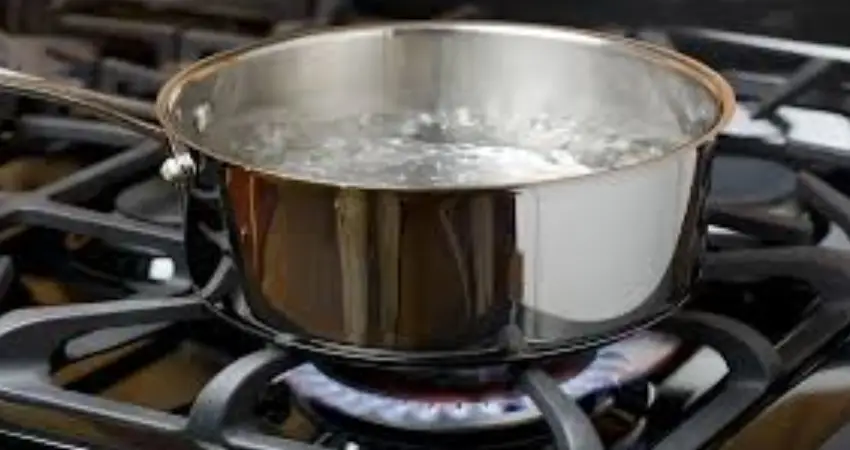
It is generally available at refill stations in hotels and restaurants
Water Purification Tablets
With advancements in technology and science, a more suitable composition has been developed for water purification tablets, resulting in more effective and faster alternatives that allow you to drink water anywhere you go. Keep in mind that these products are intended for emergency situations only in rural areas or places far from major cities where infrastructure is limited, and should not be used for extended periods or frequently.
Chlorine Tablets
Chlorine tablets are the most common and at the same time economical and are used directly to eliminate residues and pathogenic elements from small portions of water for personal consumption only.
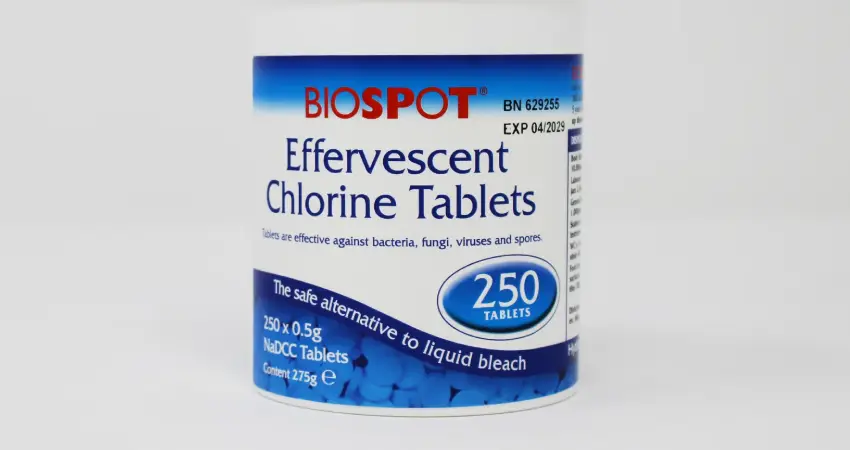
Water purification tablets
Iodine tablets
These have a more powerful effect when purifying water, however they leave a residual taste. They are not recommended for long periods of time, only exceptionally.

Water purification tablets
Chlorine dioxide tablets
Recommended for use when the water is known to have been exposed to a large amount of contaminants, they are quite effective in eliminating them quickly and safely, however they are more expensive to obtain.
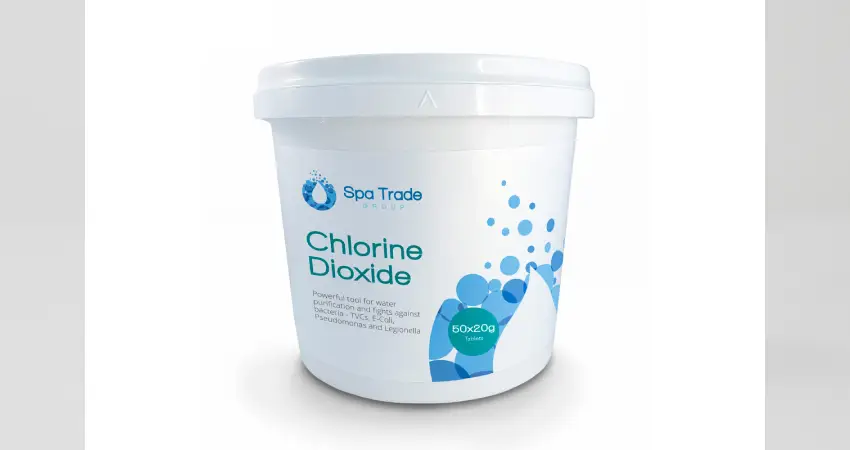
Water purification tablets
| “Not all who wander are lost, some are just finding themselves.” |
How Auri Handles Drinking Water for its Guests
We constantly strive to provide exceptional safety for travelers worldwide. For this reason, we always prioritize options that offer the greatest comfort. This extends from the places we visit to our rest areas, where you’ll find a water dispenser inside the private vehicles that are part of the peru private tours. This allows you to fill your water bottles with safe drinking water. Of course, many travelers don’t carry their own water bottles, so Auri Peru, in keeping with our environmental commitment, provides one upon your arrival in Cusco. This practice also helps reduce plastic waste and raises awareness among travelers about environmental responsibility.
For multi-day treks or hikes where transportation isn’t readily available, the support staff provides a quick, effective, and safe solution: they boil enough water for each traveler at rest stops so they can safely fill their water bottles without having to buy plastic ones. This practice is common on longer treks like the Classic Inca Trail or the Salkantay Trek. However, for more traditional experiences in Cusco, the Sacred Valley, or Machu Picchu, you can also choose to buy a bottle and empty it into your water bottle. You then leave the bottle in the same place, and it’s recycled. This environmental commitment gives your experience with Auri Peru a broader purpose.
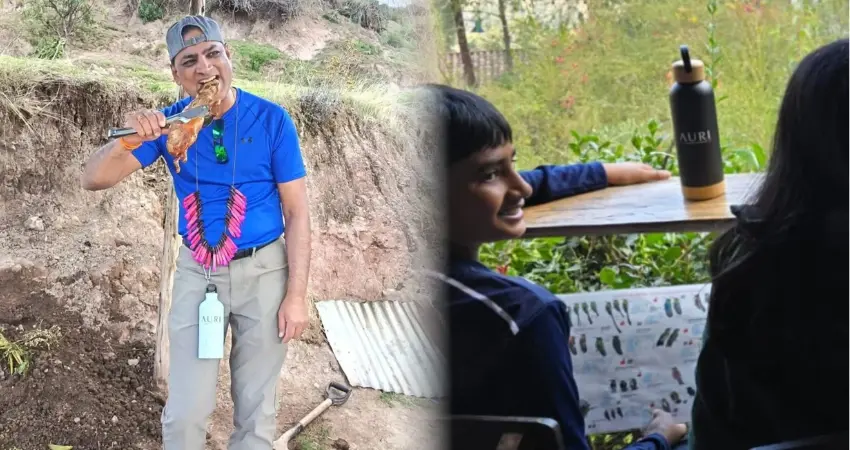
Using personal water bottles helps reduce plastic use
FREQUENTLY ASKED QUESTIONS
-
Can you drink water in Peru?
You can drink factory-bottled water or boiled water, which is usually provided in hotels and restaurants. Avoiding tap water is highly recommended for a safe and enjoyable trip.
-
Is it safe to drink tap water in Peru?
No, although the water that flows through the pipes has been treated, it still contains impurities that can be harmful to your health. It’s always best to opt for bottled water or boiled water.
-
What are the risks of drinking untreated water?
It can cause discomfort and various ailments, primarily gastrointestinal problems, as the water may be contaminated with elements such as bacteria, viruses, or other components.
-
Can You drink tap water in Lima?
It is not advisable to drink tap water within the city of Lima. Since it is untreated, this water can cause discomfort to those who consume it. Even in hotels and restaurants that have purification filters, it is best to check for safety.
-
Can I brush my teeth with tap water?
You can only do so if the establishment has a water purification filter. Keep in mind that some travelers choose to use bottled water for brushing their teeth, as it’s a safe way to maintain hygiene.
-
Where can I buy safe bottled water?
Inside hotels, restaurants, and even nearby shops, you can find various bottled water options to choose from.
-
How effective are water purification tablets in Peru?
They are effective and very helpful, generally used in rural areas where bottled water is nearly impossible to obtain. It’s important to note that they should not be consumed for extended periods due to health concerns.
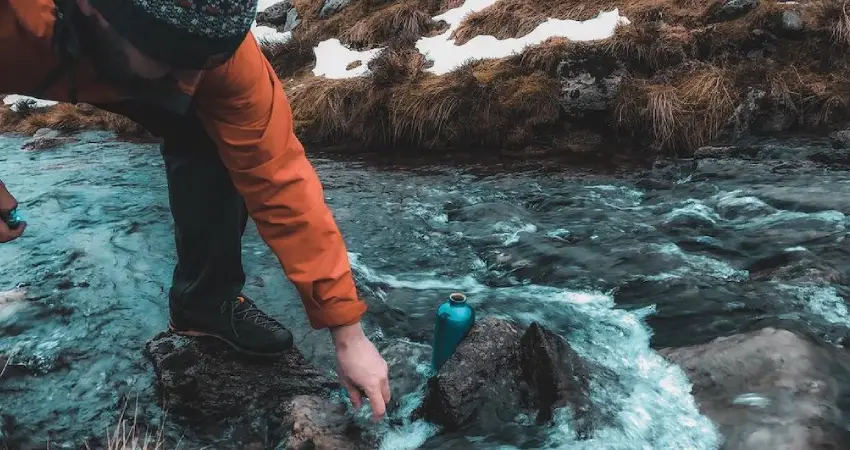
KEY TAKEAWAYS
- Do not drink untreated tap water.
- Make sure refill stations are reliable.
- When buying bottled water, make sure it is sealed and intact.
- If you are visiting remote areas, bring water purification tablets.
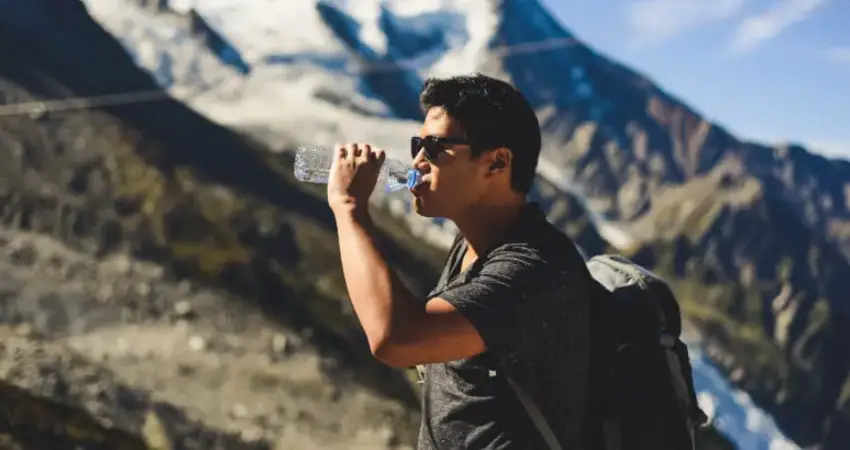
Water allows your body to hydrate and oxygenate at the same time, helping you adapt to the altitude. Drinking enough water will allow you to enjoy the trip in a special and unforgettable way.
“Don’t listen to what they say, go see.”
Safety practices regarding water handling are fundamental at Auri Peru. Our luxury services are designed to provide you with safety and comfort at every moment, which you’ll experience in your itinerary, including hotels, private transportation, guides, and on-site logistics. You can learn more about our luxury trips or consult with our local team about your next journey.
Sources / References
- https://www.cdc.gov/water-emergency/es/about/how-to-make-water-safe.html