

1.- WHAT MAKES THE SACRED VALLEY WORTH A PRIVATE TOUR
Private tours Sacred Valley Peru
Immersing yourself in a complete experience during a Sacred Valley luxury private tour is a unique and special way to discover one of Peru’s most emblematic places, renowned for its rich archaeological and cultural heritage. This region stands out primarily for its unique combination of nature and the mastery of Andean architectural knowledge, and for being a place where Andean communities still coexist harmoniously with their environment.
1.1.- Location
Very close to the city of Cusco lies a natural area also known as the Sacred Valley. It stands out primarily for its strategic location for travelers seeking to reach Machu Picchu from Cusco. Although many people are unaware of it, this is a very important natural corridor with a historical legacy dating back to before the Inca civilization. Its suitable and fertile geography made it one of the largest agricultural production centers within the Inca culture. Furthermore, it benefits from the constant presence of water and a favorable climate. It is also a place recognized for the beauty and power it represented during this civilization. Many sites are also directly associated with religion due to their unique location high in the mountains.
Today, you can enjoy a variety of representative tourist destinations in the region, from archaeological sites to towns like Ollantaytambo, Pisac, Chinchero, and others that have managed to preserve their culture intact, offering a different perspective on the practice of diverse activities such as agriculture, religion, architecture, and even a legacy that transcends time, preserving the traditional way of life that existed within the Andean world.
By choosing one of the Private tours Sacred Valley Peru, you can have the opportunity to enjoy a more complete immersive experience in these environments without time constraints and with proper planning, allowing you to personalize your visit to your preferred route, exploring history, culture, gastronomy, and even taking photos.
1.2.- Geography within the Sacred Valley
The interior of this vast valley is notable for its varied and diverse geography. It also serves as a natural corridor, providing a direct connection between major cities like Cusco and Machu Picchu, making it crucial in the Andean world and within the tourism sector. Each territory within the valley is characterized by its fertile land, characterized by abundant water sources and a climate ideal for extensive agricultural production. For this reason, its presence has been emblematic for generations, as it is known within the Andean world as one of the main agricultural centers and a significant factor in political decisions. Today, when you choose one of the Private tours Sacred Valley Peru, you have the opportunity to visit traditional villages that have inherited a unique and distinctive way of life, just as they did centuries ago. You can visit emblematic places like Pisac, Ollantaytambo, Chinchero, and even the town of Maras.
2.- PRIVATE VS. GROUP TOURS IN THE SACRED VALLEY
Each of the Private tours Sacred Valley Peru is unique and special, offering the opportunity to enjoy more than just iconic and archaeological sites. It’s a complete experience where you can appreciate the vast and distinctive natural landscape, renowned for its incredible variety, as well as gain a direct view of the unique Andean constructions, a historical legacy passed down through generations. Each tour is considered a perfect opportunity to gain a comprehensive overview of the region’s traditional heritage and immerse yourself in the traditions of ancient communities that have endured throughout history. Furthermore, the Private tours Sacred Valley Peru allow you to make the most of your time, without feeling rushed, and always prioritizing each traveler’s preferences.
2.1.- Pace and Flexibility
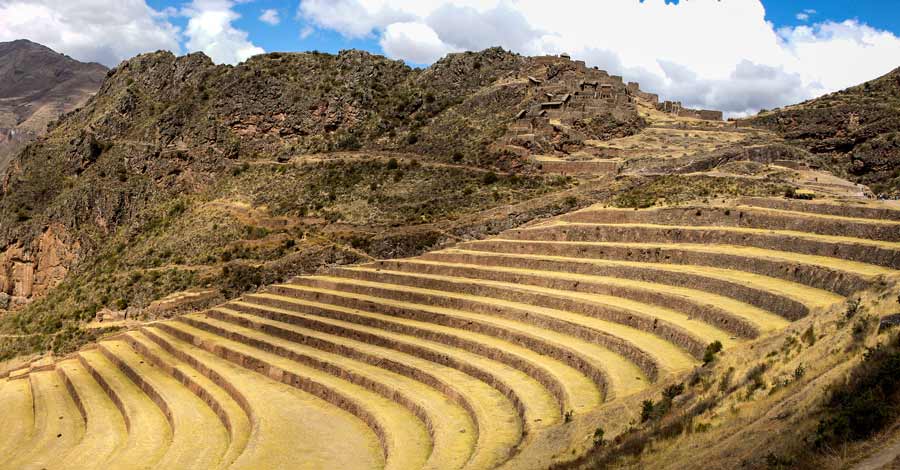
It’s also important to note that a Luxury Sacred Valley tour stands out primarily for offering a personalized experience that easily adapts to your preferences without complications. This means you have the opportunity to organize your time as you see fit, without the pressure of a rigid itinerary or the rush to reach nearby sites. You don’t need to be pressured by a set schedule or wait for other travelers to join you at your pace. You can easily take the time to photograph the extensive terraces in the Pisac area, calmly climb each step in the Ollantaytambo fortress, or immerse yourself in the depths of the circular terraces of Moray. Furthermore, this isn’t limited to visiting archaeological sites or traditional villages; you can also extend the experience by delighting your palate with the wide variety of flavors that make up the local cuisine.
| “A world of luxury awaits.” |
Generally, unlike group tours, Private tours Sacred Valley Peru are more personalized and not tied to any specific order or sequence. Everything can easily be modified along the way according to each traveler’s preferences. This allows for a much richer and more immersive experience at each destination, even on single-day tours.
2.2.- Avoid Crowds
Another important aspect that stands out about Private tours Sacred Valley Peru is undoubtedly its popularity. While many tourist destinations are constantly visited by thousands of travelers each day, a Sacred Valley luxury private tour offers greater flexibility regarding start and end times. These are determined throughout the day, allowing for strategic planning and avoiding peak tourist hours. This results in a unique and special adventure, more intimate and with fewer other travelers around, providing the perfect opportunity to capture stunning photographs. Private Tours Sacred Valley Peru also offer the chance to include strategically located stops that are less well-known, requiring more skill and accessibility. Furthermore, Private tours Sacred Valley Peru offer the opportunity to enjoy personalized workshops that showcase local artisan traditions and even have lunch in special locations with fewer tourists, bypassing the traditional routes of group tours.
3.- THE ESSENTIAL SITES OF THE SACRED VALLEY
3.1.- Pisac
When we mention the opportunity to enjoy a private Sacred Valley tour, we must necessarily consider that it will begin in the Pisac area. This is primarily because it is considered one of the main access points to the Sacred Valley, boasting a fully equipped archaeological site high on the mountain where we can observe various groups of structures dedicated exclusively to the urban area, the military area, the funerary area (considered a large Inca cemetery), and the ceremonial area dedicated exclusively to water sources. Furthermore, the wide variety of terraces built directly into the mountainside immediately impresses and amazes all travelers.
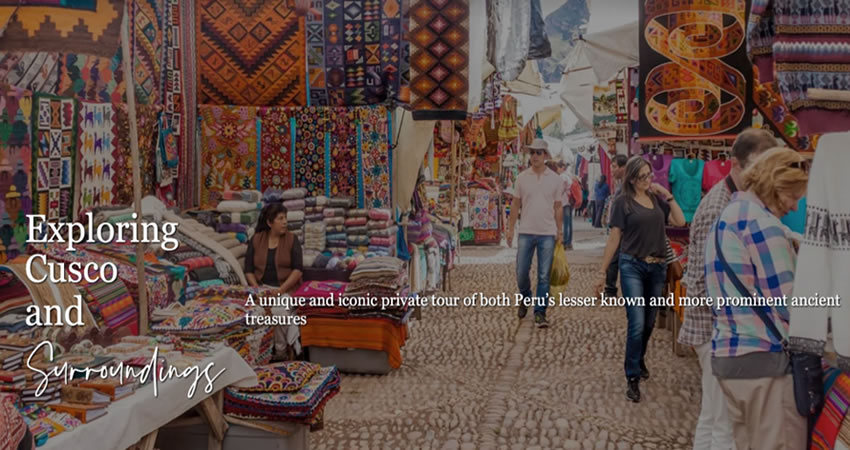
Also noteworthy is the presence of a village dating back to the colonial era, located at the base of the mountain. This village is particularly special because it still houses a section of its traditional market, where a variety of unique silver and gold jewelry, ceramics, handicrafts, and even local products are displayed. These items are crafted by master artisans who have inherited the tradition for generations, making it a unique place to find a beautiful and authentic souvenir.
3.2.- Ollantaytambo
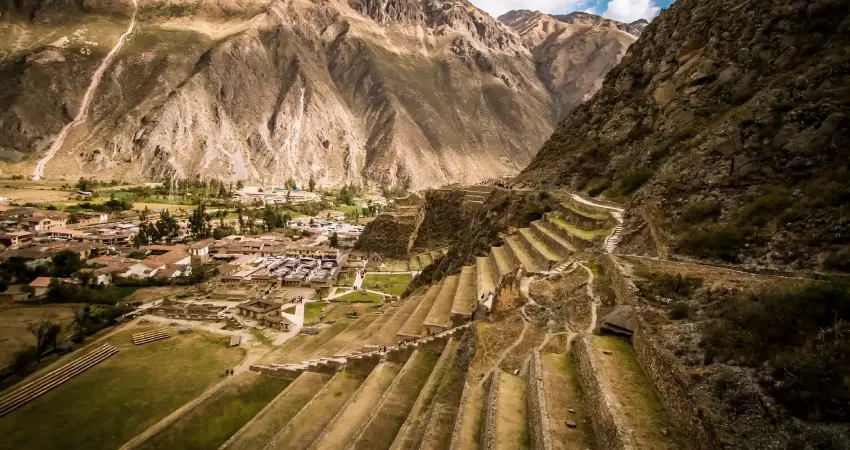
Popularly known as a fortress due to the immense scale of its structures, Ollantaytambo presents a unique combination within a single space. It blends the traditions of Inca architecture, with buildings constructed from stone carved directly into the mountainside, with a traditional colonial–era town that has endured through time. On Private Tours Sacred Valley Peru, this is one of the most popular and cherished destinations to visit, as it is one of the few places in Peru that preserves the essence of its traditional urban architecture. Each street has been paved with cobblestones and, for generations, has stood as a perpetual witness to the passage of history. Furthermore, the network of water channels throughout the town showcases the engineering prowess of the Andean civilization, reflecting the vision and strategy employed by the Inca culture when establishing large settlements within their empire.
This archaeological site is one of the most popular and emblematic in the entire Sacred Valley and in Peru. It boasts a large number of terraces that served both structural and ornamental purposes. At certain times during the Inca period, they were used to represent power and control over the people who came here. Furthermore, there are several structures directly linked to Inca culture, perfectly assembled and designed. We must also consider the cyclopean structures at the top of the mountain, suggesting that this place represented a sacred space dedicated to sun worship.

3.3.- Chinchero
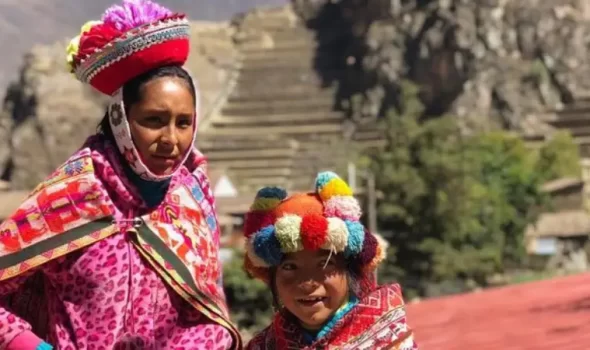
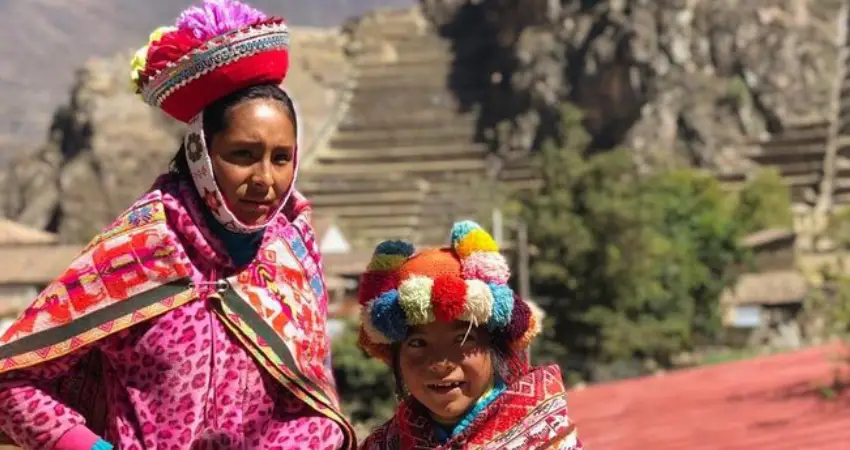
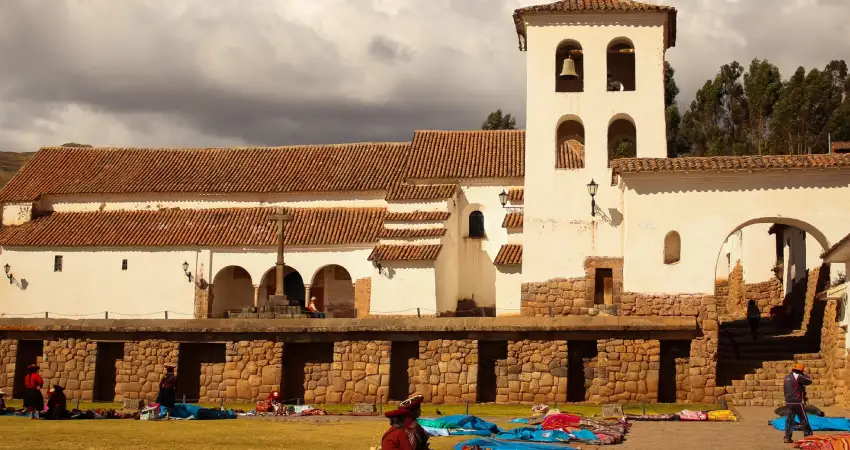
Traditionally one of the towns that has best preserved its textile traditions in the entire Sacred Valley, Chinchero is one of the few places where you can still discover more about the process of making textiles and garments from alpaca fiber, historically known as the origin of the rainbow. Inside, you can easily appreciate the unique and special combination of Inca architecture and the distinctive touch of the colonial era. The town also features numerous archways connecting cobblestone streets and a large church dedicated to the Virgin of Montserrat.
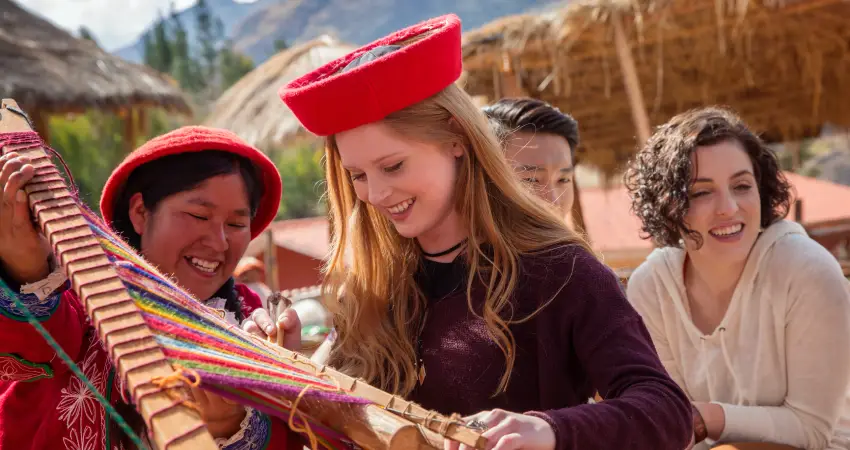
The town is generally recognized primarily for its textile tradition, one of the most emblematic in the entire region. In fact, this tradition has been kept alive within local families who have inherited various unique techniques in spinning, dyeing, and even the pigmentation process. When you choose one of the Sacred Valley Peru Private Tours, you have the opportunity to enjoy a personalized and unique explanation in a textile workshop where you can appreciate more about this artisanal process and learn more about the cultural meanings behind each design and image on the textiles.
3.4.- Maras Moray
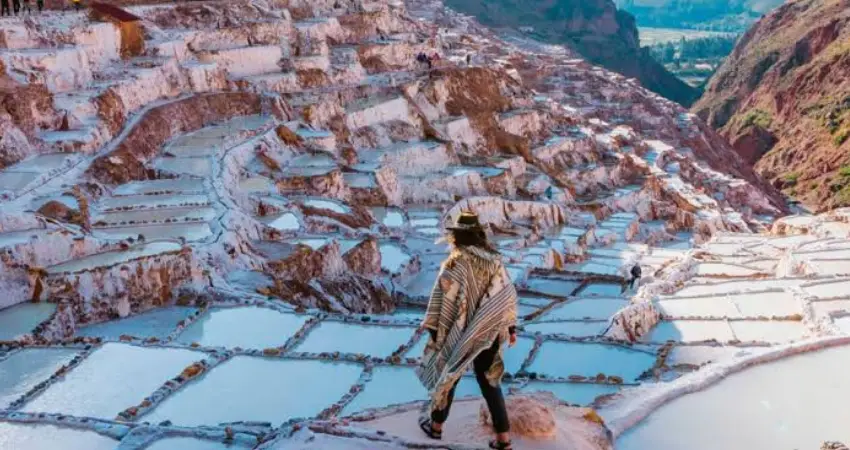
Part of the tradition lies not only in the legacy of constructions and archaeological sites but also in the ingenuity of the Inca era. One of the most representative examples that remains to this day as evidence of this ingenuity is the countless salt pans located within the Maras area. These pans are fed by a small, naturally occurring stream that has flowed since ancient times, linked to the Inca culture. Most of these pans are still worked by local families who use traditional harvesting methods to obtain the precious mineral. During the Inca period, salt was used as a form of currency to acquire resources. From the main viewpoint, you can appreciate the entire complex, which resembles a white patch on the mountainside, creating an iconic scene worthy of a photograph.
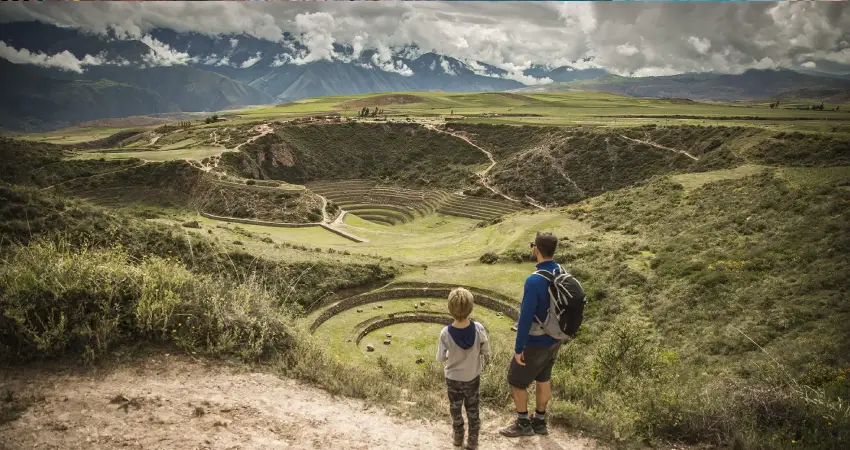
The path then leads you to a large set of terraces that have the particular shape of circles which have been made in a similar way to the Roman amphitheater, this is not by chance since it is directly associated with the research and development of agriculture, so that during the Inca era it was considered a center for research and adaptation directly towards the seeds of the various foods that were part of the daily diet such as potatoes, corn, coca and others, ultimately seeking to adapt them to lower or higher altitudes so that their production in different places could be much easier.
4.- LOWER ALTITUDE
“One of the main benefits of Private tours Sacred Valley Peru is the opportunity to spend ample time in an environment with a suitable altitude, as it lies between 2,700 and 2,900 meters above sea level. This is significantly lower than the city of Cusco, which sits at approximately 3,400 meters above sea level. Therefore, every moment spent within the Sacred Valley, exploring iconic destinations like Ollantaytambo and Urubamba, can help your body acclimatize to the altitude, allowing you to enjoy the activities without difficulty.”
5.- FAQs
- What is included in a private Sacred Valley tour?
This experience is one of the most comprehensive, designed to allow travelers to forget about all the details and focus solely on enjoying the adventure. It includes traditional services in a premium version, including transportation, a professional guide specializing in cultural tourism, entrance tickets for each traveler, and a buffet lunch, as well as activities in various workshops that can be customized to your preferences.
- Is the Sacred Valley worth visiting before or after Machu Picchu?
Most travelers choose to visit the Sacred Valley before Machu Picchu, as this allows them to easily acclimatize to the altitude they will encounter upon arriving in Cusco. The Sacred Valley is located at approximately 2,700 meters above sea level, making it an ideal place to rest before continuing your journey. It’s best to visit it beforehand.
- How many days do you need in the Sacred Valley?
Traditionally, a visit to the Sacred Valley is planned as a single day trip, which is the ideal amount of time to visit most of the traditional villages such as Pisac, Ollantaytambo, and Chinchero, and even spend some time in Urubamba. However, if you wish to connect with other equally popular destinations like Maras and Moray, it’s best to add a separate day, as the distances are considerable.
- What are the must-see sites in the Sacred Valley?
The Sacred Valley is primarily characterized by its diverse traditional villages where the cultural heritage remains intact despite the passage of time. Therefore, it’s impossible to miss places like Pisac, with its archaeological center and artisan market; the fortress of Ollantaytambo perched high in the mountains; or Chinchero, a village where the essence of textile tradition remains undiminished.
- Is it better to do a private tour or join a group tour of the Sacred Valley?
Both experiences offer a particular benefit. While the group tour allows you to enjoy the destination at a much more affordable cost, the private tour is always more suitable and recommended, as it directly allows you to personalize the itinerary to your preferences without the pressure of rushing to the next destinations.
- Can I combine the Sacred Valley and Machu Picchu in one trip?
Yes, this is generally the option many travelers choose when exploring these destinations. The first day departs from the city of Cusco to explore the vast Sacred Valley and discover its traditional and cultural wonders, eventually arriving in Ollantaytambo. There, you board a train to continue your journey to Aguas Calientes, where you can spend the night and visit Machu Picchu the following day.
- What is the best time of year to visit the Sacred Valley?
It is recommended to visit the Sacred Valley during the dry season, which runs from May to October each year. This is the ideal time when rainfall is minimal and there is no risk of sudden temperature changes. However, keep in mind that it is also the most popular time for travelers, so the destinations are usually more crowded. Therefore, it is essential to make a reservation in advance.
It’s the perfect time to take that long-awaited trip you’ve been dreaming of, and it will become even more special if you connect it with the Sacred Valley. Auri Peru is a reputable company dedicated to fulfilling the expectations of every traveler, allowing you to personalize your adventures seamlessly. Contact us now; we’d be delighted to help you plan your next trip.
“Luxury is an experience, not just a destination.”