

1.- HUAYNA PICCHU ALTITUDE: THE NUMBERS
1.1.- What is the Huayna Picchu altitude?
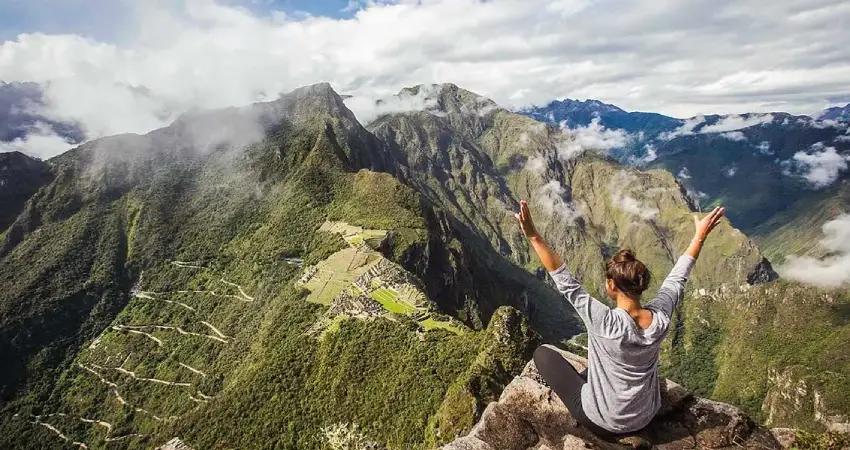
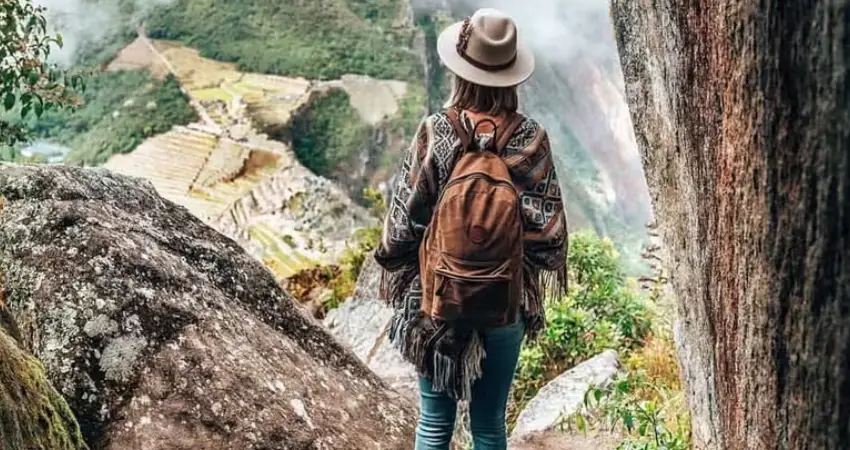
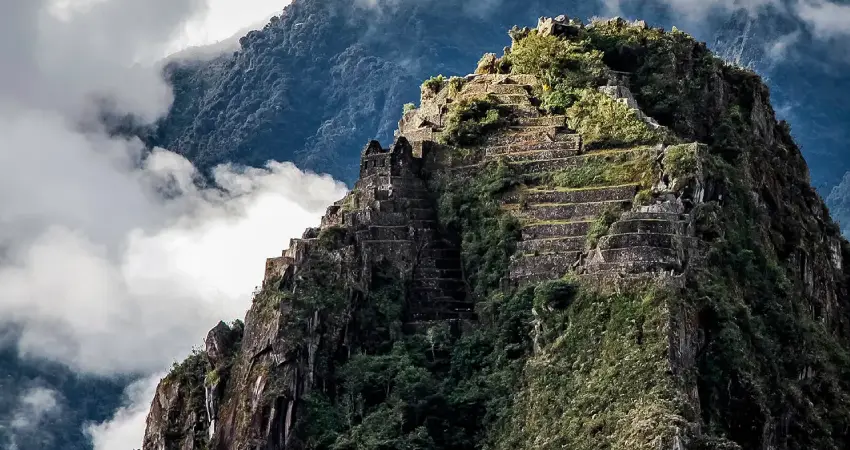
It’s important that before taking on this new challenge, you know all the essential details to ensure your safety. Knowing more about the Huayna Picchu altitude is vital for the necessary preparation. The highest point reaches 2,693 meters above sea level. This height has been confirmed through various studies and technological advancements, including topographic surveys conducted by the National Service of Natural Protected Areas of Peru (SERNANP). Although many people are currently wondering, What is the Huayna Picchu altitude?, and while they may think this height is intimidating, it actually served a strategic purpose. Being an elevated point allowed for commanding control over the vast citadel, resulting in a unique panoramic view unmatched by any other location within the citadel. It also offers a glimpse of the access points that extend across the mountains surrounding this natural sanctuary. The Altitude at Huayna Picchu also presents a challenge for many travelers, as the air is thinner and the physical effort required to ascend to the top necessitates prior preparation.
1.2.- Starting Point
The popular hike that allows travelers to ascend to the summit of Huayna Picchu begins in the lower sector of the Inca citadel of Machu Picchu, located 2,430 meters above sea level. The exact checkpoint for travelers embarking on this adventure is located next to the area known as the Sacred Rock. From this point, a trail leads gradually uphill, characterized by its narrowness and steepness. It’s important to understand that this experience presents a considerable challenge, categorized as both moderate and difficult, as it requires a suitable level of physical fitness to adapt easily to the mountain terrain and the potential lack of oxygen.
The ascent can be considered vertical from the lowest point to the summit, with a difference of 300 to 360 meters in altitude. Although this might not make much sense when represented numerically, the intense challenge is palpable in the experience. There are sections with steep slopes and a noticeable geographical incline. Thus, Altitude at Huayna Picchu invites travelers to push their limits, maintaining concentration, balance while climbing the steps, and constant endurance. This combination results in a unique reward that, for many travelers, represents the best part of the trip, as they manage to master the historical challenge that has blended with nature.
2.- ALTITUDE COMPARISON AND CONTEXT
When looking for destinations to complement your visit, you should also consider that Huayna Picchu altitude is different and falls into an intermediate category, as there are other, more iconic and unmissable places in the Andes located at higher altitudes. Each of these destinations offers accessible planning, so you don’t need to worry about any safety risks.
2.1.- Machu Picchu Citadel
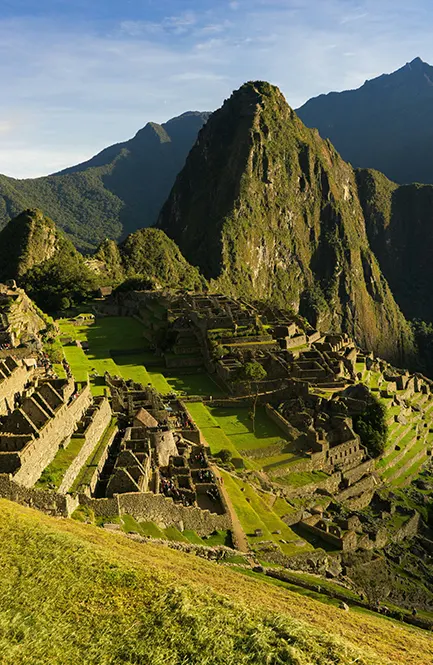
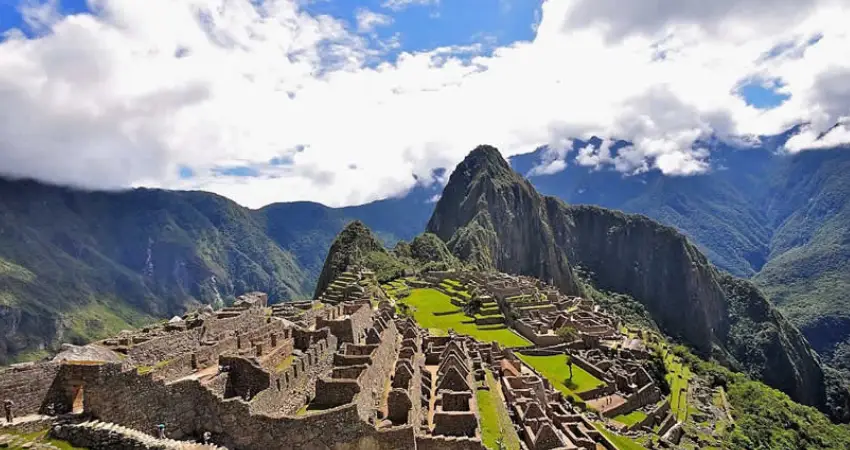
There is a difference of between 300 and 360 meters in altitude between the Inca Citadel of Machu Picchu and Huayna Picchu. The geography of this immense mountain was used to construct a natural viewpoint that served as a strategic control point and is now known as one of the most impressive viewpoints you can enjoy during your trip.
2.2.- Cusco
There is a significant difference in altitude between these two places, as the city of Cusco is located at over 3400 meters above sea level, making it the main arrival point for many travelers. Therefore, it is always recommended to spend a few days in the city to acclimatize properly to the altitude before descending to the Sacred Valley.
2.3.- Machu Picchu Mountain
This immense mountain is located behind Inca city. It is considered the highest mountain in the entire Urubamba Valley, reaching approximately 3082 meters above sea level. Access to Machu Picchu is similar to that of Huayna Picchu; however, the trail is wider and less steep, though longer. From the summit, you can enjoy an incredible view of the vast valley.
2.4.- Rainbow Mountain
This mountain is far superior to Huayna Picchu altitude. Popularly known as Vinicunca, it stands at 5,200 meters above sea level, making it one of the highest places you can visit during your next trip. It’s important to know that due to its altitude, there is less oxygen, and the physical exertion is greater, so proper acclimatization is always necessary. For this reason, it’s considered an ideal option to visit during the last few days of your stay.
| “Not all who wander are lost.” |
3.- UNDERSTANDING ALTITUDE EFFECTS AT HUAYNA PICCHU
Due to the altitude of this mountain, it can have a considerable impact on the health of many travelers. It’s important to know that above 2400 meters above sea level, atmospheric pressure decreases, resulting in a drop of more than 20% in the amount of oxygen available in the environment. This means that with each breath, a person takes in less oxygen than usual. This can alter breathing rates and cause an increased heart rate as the body attempts to compensate for the reduced oxygen.
3.1.- Altitude Sickness
Also commonly known as soroche, this is one of the most common ailments for travelers visiting high-altitude destinations. However, it is less common when visiting Huayna Picchu mountain, as its altitude is lower than other destinations where people spend more time, such as Cusco or Rainbow Mountain. Of course, it can occur in some cases for some travelers, who may experience mild symptoms such as:
- Headache
- Tiredness and fatigue
- Difficulty breathing
- Nausea
- Dizziness
- Respiratory problems
Each of these symptoms is mainly associated with the short time the body has had to acclimatize to the altitude of the destinations being visited, as well as dehydration and overexertion during activities. Other contributing factors include insufficient water intake, alcohol consumption, or eating heavy meals before the hike.
3.2.- Who is most affected?
This discomfort is generally more common in older people or those with limited physical fitness. These individuals tend to experience these symptoms more intensely, as do people with pre-existing respiratory or cardiovascular problems. Therefore, it’s always recommended to consult your doctor beforehand. It’s also ideal to prepare in advance to help manage the symptoms. Staying hydrated helps oxygenate the body, getting adequate rest before the trip, and avoiding heavy meals to ensure smooth digestion are key. By following these steps, you can be confident that your trip will be safe and enjoyable throughout your hike.
4.- PREPARING FOR THE ALTITUDE
Climbing Huayna Picchu is an unparalleled challenge and adventure, and for many travelers, it’s a primary reason to visit this beautiful wonder of the world. However, given its altitude of over 2693 meters above sea level, proper preparation is essential to ensure a safe and comfortable experience. Reaching the summit requires not only overcoming the altitude but also a moderate level of physical exertion, which can sometimes lead to fatigue and, for some travelers, altitude sickness. Proper planning before and during the climb allows for a gradual, comfortable, and, most importantly, safe ascent.
4.1.- Before the trip
It is important that all travelers planning to climb Huayna Picchu at high altitude have a medical evaluation at least three weeks prior to the trip to ensure they do not have any pre-existing heart conditions, blood pressure issues, or respiratory problems. This evaluation by a healthcare professional can provide more information about the physical exertion limits and, in some cases, allow for personalized precautions based on each traveler’s individual circumstances. Many doctors also commonly prescribe preventative medications or supplements to aid acclimatization.
- Physical preparation
Adequate physical fitness is crucial for navigating the steep terrain, which makes the ascent more demanding. For this reason, it is ideal to have prior training sessions that include walking or cycling for extended periods during the day. This is particularly beneficial for cardiovascular health. Hiking is also very important because the variety of terrain and geographical spaces helps build strength and endurance in your legs when climbing stairs. This is a fairly simple activity that you can do repeatedly two or three times a week, thus avoiding fatigue or injury from physical exertion.
- Altitude Sickness Medication
Some travelers take preventative medications prescribed by doctors to better suit their bodies. This aims to prevent altitude sickness and help their bodies adapt quickly to the altitude. This is beneficial for many travelers as it reduces the symptoms associated with altitude. It is generally recommended to take these pills 24 hours before the experience for them to have the desired effect. However, it is very important to remember that these types of medications should only be taken when prescribed by a doctor and that generic medications available at pharmacies should not be purchased.
- Acclimatization
It’s also advisable to take some time before your Huayna Picchu climb to acclimatize and properly adapt your body. Generally, 1 or 2 days are recommended to ensure you’re in excellent condition. In addition, remember to stay hydrated at all times, as this helps oxygenate your entire body. This process is further enhanced by eating light meals, which generally help your body rest properly. Avoid alcohol, tobacco, and any highly seasoned foods as much as possible, as they can make the climb heavy.
4.2.- Day of the Climb
On the day you plan to ascend Huayna Picchu, it’s important to start your day quite early. This allows you to prepare properly. Taking a shower will help your body feel refreshed, and drinking plenty of water will keep you hydrated. It’s important to eat only a light breakfast, as eating too much can cause indigestion. Remember to bring only the essentials, such as a bottle of water and a small snack to help you maintain a steady pace. With these tips and your prior preparation, climbing this mountain won’t just be a challenge; it will become an unforgettable experience you’ll cherish for a lifetime.
5.- TIME AND ALTITUDE RELATIONSHIP
5.1.- How long does the climb take?
The time it takes to reach the top of this mountain varies depending on each hiker’s pace. Generally, it takes about an hour and a half, but some finish sooner thanks to their experience and proper acclimatization. The trail is characterized by its diverse terrain, from steep staircases to narrower paths and trails, which varies the physical demands. Another factor that significantly influences the time it takes hikers to reach the summit is the air quality. As you ascend, you’ll feel it gradually thinning, leading to increased fatigue. Conversely, the descent is much faster, although it also presents a challenge, requiring leg strength to descend the steps.
5.2.- Entrance Tickets and Schedules
You should also consider that access to this mountain requires a special ticket, which is directly associated with Circuit 3 within the options available for visiting Inca city. You can book it directly through the website tuboleto.cultura.pe or through an authorized travel agency that can help you with the process quickly and easily, guaranteeing you a spot. However, consider booking at least four months in advance, as this mountain is quite popular with travelers and availability fills up quickly.
| Group 1 | Entry from 7:00 am to 8:00 am |
| Group 2 | Entry from 10:00 am to 11:00 am |
Keep in mind that choosing the first group offers the advantage of cooler temperatures and less sun exposure; however, the temperature is colder due to the considerable altitude, and humidity is more noticeable. On the other hand, the second group offers greater visibility, characterized primarily by a temperate climate, although the temperature constantly rises with the presence of the sun.
5.3.- Meteorological Factors
It is also important to understand that Huayna Picchu is subject to the climatic variations experienced throughout the Andean region during the year. Two distinct seasons have been identified, which occur over several months.
- The first is known as the dry season and coincides with the peak season. It takes place between May and October each year and is the most popular among travelers, as it features clear skies, pleasant temperatures, and a comfortable experience thanks to the low rainfall, allowing the views from the summit to become a truly unique experience.
- On the other hand, the rainy season occurs mainly between November and April each year. Although characterized primarily by heavy rainfall, it also allows the natural beauty and intense green color of the local flora to flourish, making the view even more incredible. However, if you choose this time of year, it’s important to consider the trail as much more challenging, since the presence of rain and humidity makes it slippery and dangerous.
5.4.- Age Factors
Although Huayna Picchu doesn’t have a strict age restriction for travelers, it does recommend that only those over 12 years old can freely ascend to the summit. Those under 12 are required to sign a liability waiver, which must be signed by a parent or guardian who assumes responsibility in case of any incident during the experience. For this reason, travelers should consider other circuits and routes available, creating easier options.
6.- A HIGH-ALTITUDE PLACE
“Any place or destination chosen for your next trip that exceeds 2,400 meters above sea level is considered a high-altitude location. Huayna Picchu falls into this category; however, it’s important to know that its difficulty is moderate thanks to its considerable altitude, so any altitude sickness is much less noticeable than in other, higher places.”

7.- FAQs (FREQUENTLY ASKED QUESTIONS)
- What is the altitude of Huayna Picchu?
The Huayna Picchu altitude is 2,693 meters above sea level, is one of the highest points within the entire citadel. It is also considered an emblematic and strategic landmark, as it was historically used as a control point for all those accessing the Inca road network.
- How high is Huayna Picchu in feet and meters?
It stands at 2693 meters (8,835 feet). Upon reaching the summit, one can enjoy a unique and breathtaking view not only of the extensive citadel but also of the surrounding mountain range and the vast valley traversed by the Urubamba River.
- Is Huayna Picchu higher than Machu Picchu?
There is a difference of more than 200 meters in altitude compared to the Inca citadel of Machu Picchu, which sits at 2430 meters above sea level. Huayna Picchu serves as the starting point for adventurers seeking to ascend the mountain.
- How much elevation gain is there on Huayna Picchu?
There’s a significant difference in altitude between the base of the mountain and the summit of Huayna Picchu, ranging from 300 to 360 meters. While not a particularly long distance, the ascent is quite steep.
- Will I get altitude sickness on Huayna Picchu?
Altitude sickness isn’t very common when climbing Huayna Picchu, but some people do experience mild symptoms such as fatigue, dizziness, and even shortness of breath. To mitigate these symptoms, it’s important to acclimatize properly, drink plenty of water, and get enough rest.
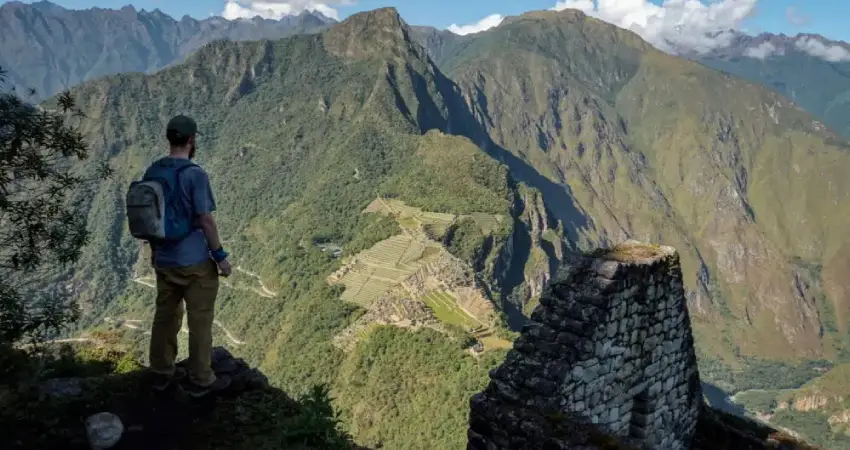
Now you know all the secrets to reaching the top of Huayna Picchu. All that’s left is to choose your travel dates, and you’re all set. Auri Peru is one of the few companies that can help you enjoy this experience safely and comfortably. Contact us, and we’ll personalize a new adventure just for you.
“To travel is to live.”