


1.- HOW TO PLAN THE PERFECT LUXURY PERU ITINERARY
A well-planned Luxury Peru Itinerary should organize destinations in a logical sequence rather than simply list luxury services. Based on the route already developed in this guide, a 10-day itinerary can begin in Lima, continue to Cusco and the Sacred Valley, and then connect with Machu Picchu at a pace that leaves enough time for acclimatization, transfers, guided visits, and rest. Travelers with additional time can extend the journey toward Lake Titicaca or the Peruvian Amazon; a longer itinerary of up to 14 days gives more room for those extensions. The key planning decisions are therefore trip length, destination order, connection times, accommodation location, transport, and optional experiences.
1.1.- How many days do I need?
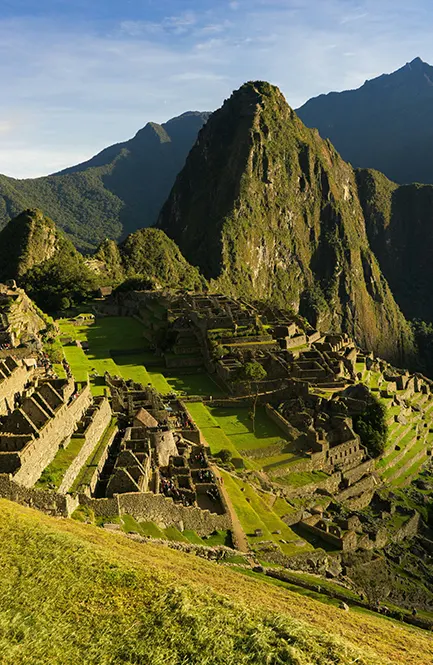
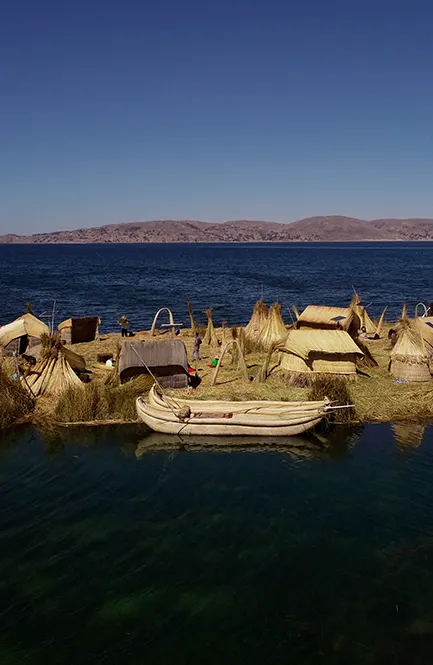
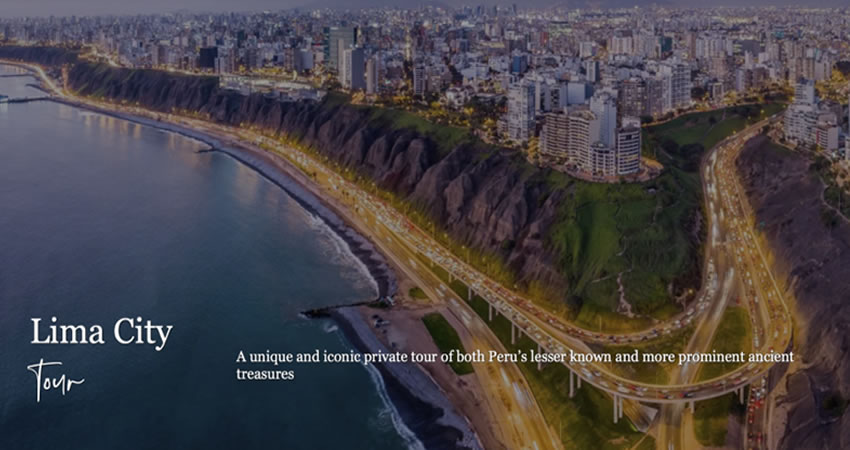
The standard for this type of experience is generally a Luxury Peru Itinerary 10 days, as it gives you the ideal opportunity to discover the beauty of the destinations with enough time to enjoy the natural and cultural wonders found within the country. You can even extend it to 14 days, although that depends entirely on your planning. When choosing the Luxury Peru Itinerary 10 days, you have the opportunity to explore the capital city of Lima at a leisurely pace, allowing you to relax and savor the best of Peruvian cuisine. The journey then takes you to the city of Cusco, where you’ll connect to the vast Sacred Valley, an ideal place to relax and enjoy its scenic beauty. From there, you can also reach Machu Picchu high in the mountains. Finally, you can enjoy a personalized experience with one of the most popular add-ons for travelers: choosing between visiting the Altiplano region or continuing into the Peruvian Amazon.
1.2.- LOGISTICS TO RESOLVE BEFORE YOU LOCK THE ROUTE
A Luxury Peru Itinerary becomes easier to manage when the main connections are resolved before adding optional experiences. The planning priorities already reflected in this guide are transport between regions, entrance and train schedules, accommodation location, guided visits, weather-sensitive segments, and enough recovery time between major travel days. This is especially important around Cusco, the Sacred Valley, and Machu Picchu, where one delayed connection can affect the following part of the route.
If professional planning support is used, its role should be to help coordinate those elements and adapt the sequence to the traveler’s interests, not to replace the itinerary with a generic package.
1.3.- KEEP THE ITINERARY FLEXIBLE
The value of a luxury itinerary is its ability to adjust the pace, guided time, accommodation choices, transfers, and optional activities without losing the logical order of the journey. Flexibility should support the route: more personalized services are useful when they reduce friction between destinations, protect rest time, or make a difficult connection easier to manage.
2.- ACCOMMODATIONS THAT SUPPORT THE ITINERARY
Accommodation should be chosen according to where each night falls in the route. In this itinerary, location matters because it affects airport transfers, departure times, access to train stations, recovery after altitude changes, and how easily the traveler can continue to the next destination. The objective is not to build a list of the best hotels in Peru, but to select stays that support the sequence of the trip.
2.1.- Five-Star Hotels in Lima
Lima is the usual international arrival point, so the first accommodation decision should support arrival, rest, and the onward connection. Existing options in Miraflores, San Isidro, and Barranco include Belmond Miraflores Park, JW Marriott Lima, InterContinental Real Lima, The Westin Lima Hotel, and Hotel B. The practical choice depends on the arrival schedule, planned dining, and how the traveler will connect with the next region.

2.2.- Exclusive Accommodations in the Sacred Valley
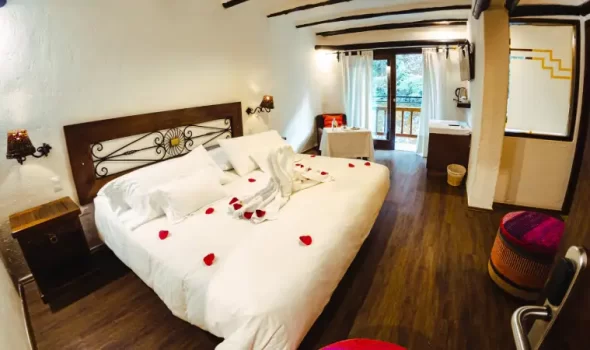
A stay in the Sacred Valley can help slow the pace before the Machu Picchu segment and reduce unnecessary backtracking between Cusco, the valley, and the rail connection. Existing examples such as Hotel Sol y Luna and Belmond Hotel Río Sagrado are useful in this article because their location within the valley can support the order of the itinerary, not because this page is intended to rank luxury hotels.

| “Where luxury and adventure collide.” |
2.3.- Unique Stays in Cusco
Cusco accommodation should be evaluated according to where city visits begin, how much rest is needed after arrival, and when the itinerary continues toward the Sacred Valley or Machu Picchu. Existing examples such as Belmond Hotel Monasterio and Palacio del Inca remain relevant as route options, but the planning priority is to avoid unnecessary transfer time and preserve a comfortable pace.

2.4.- Accommodation Around Machu Picchu
The Machu Picchu stage is a logistical decision as much as a sightseeing decision. Staying near the citadel or in Aguas Calientes changes train timing, transfer requirements, rest time, and the sequence of the visit. Existing options include Belmond Sanctuary Lodge, Sumaq, and Inkaterra Machu Picchu Pueblo. Travelers who need commercial detail beyond itinerary planning can review luxury Machu Picchu options.

2.5.- Accommodation for a Lake Titicaca Extension
Lake Titicaca should be treated as an optional extension rather than a required stop. If it is added, accommodation needs to fit the arrival route, altitude, lake activities, and onward connection. Existing examples in the article include Titilaka Lodge and GHL Puno Hotel; their relevance here is how they fit the highland segment of a longer itinerary.
2.6.- Accommodation for an Amazon Extension
The Amazon is another optional extension that requires its own connection plan. Accommodation may be lodge-based, such as Inkaterra Reserva Amazonica, or part of a river experience such as Aqua Nera. The itinerary decision is therefore not simply which property is more luxurious, but how the stay connects with domestic transport, transfers, the number of available days, and the next stage of the trip.

3.- DINING EXPERIENCES TO PLAN AROUND THE ROUTE
Dining can be part of the itinerary when it is scheduled around arrival times, guided visits, transfers, and rest. Longer tasting menus or destination-specific dining should be placed on days with enough margin rather than added to an already crowded travel day.
3.1.- Lima Dining Within the Itinerary
Lima is the easiest place in the route to plan a major dining experience because it normally appears at the beginning of the journey. Existing examples such as Central, Maido, and Astrid y Gastón can be considered when the arrival schedule and the following day’s connection leave enough time. The purpose is to integrate dining into the Lima stay without delaying the onward route.
3.2.- Dining in Cusco and the Sacred Valley
In Cusco and the Sacred Valley, dining should be coordinated with altitude adjustment, guided visits, and transfer times. Existing examples such as MAP Cafe and Mil Centro in Maras can fit into the route when the day’s schedule allows it. Around Machu Picchu, dining choices should remain secondary to the train, entrance, and transfer sequence.
3.3.- Private Dining as an Optional Addition
Private chefs or cooking experiences can be added when the itinerary has enough free time and the activity does not displace a key transfer or destination day. They work best as optional additions during a slower Lima, Cusco, or Sacred Valley segment, rather than as mandatory components of the route.
4.- OPTIONAL EXPERIENCES TO ADD TO YOUR ITINERARY
Optional experiences should be added only after the core route is stable. The planning question is whether an activity fits the available time, location, transfer schedule, and recovery needs without disrupting Lima → Cusco/Sacred Valley → Machu Picchu or the optional extensions.
4.1.- Private Access
Private or lower-crowd experiences require advance coordination and should be placed where they do not interfere with fixed entrance or transport times. At Machu Picchu, the article already notes that access is standardized, so itinerary planning should focus on selecting an appropriate permitted time rather than promising private access to the citadel.
4.2.- Flight Experiences in the Andes
The article already includes aerial experiences in the Andean region. If this type of activity is retained, it should be treated as an optional time-dependent addition that requires advance scheduling and enough margin around the Sacred Valley or Cusco portion of the route. It should not replace the core transport sequence to Machu Picchu.
4.3.- Spiritual Ceremonies
Spiritual ceremonies can fit into a slower Sacred Valley or Andean segment when the traveler wants a reflective cultural experience. Because the activity takes place away from the main city routine, it should only be added when the itinerary has enough time for the transfer and the experience itself.
4.4.- Hot Air Balloon Rides
A hot air balloon experience in the Sacred Valley is another optional activity already described in this article. It should be added only when the schedule leaves enough room around valley visits and onward transfers. Its role is to personalize the itinerary, not to become a required part of the standard route.
5.- KEEP THE ITINERARY FOCUSED
A strong Luxury Peru Itinerary is not defined by the number of premium activities added to it. The route should remain easy to understand: start with the core sequence, protect transfer and rest time, and then add only the experiences that genuinely fit the traveler’s priorities. This keeps the itinerary personalized without turning it into an overloaded list of attractions.
6.- FAQs — LUXURY PERU ITINERARY
- What is the best time of year to visit Peru for a luxury trip?
The best time of year to enjoy this experience is undoubtedly during the dry season, which occurs between May and October. This period is characterized by low rainfall and stable weather, which is ideal for hiking trails and enjoying destinations like Cusco or Machu Picchu.
- How much does a luxury Peru itinerary cost per person?
Generally, a trip with these characteristics can be much more expensive; however, the price always varies depending on the season, the type of accommodation, the service level, and the trip’s duration. For a 10- to 14-day trip, you can easily expect a budget starting at $4,000 per person.
- How many days do I need for a complete luxury Peru experience?
The recommended duration is always between 10 and 14 days to fully enjoy this experience. During this time, you have the opportunity to see the best of the country, including the cities of Lima, Cusco, the Sacred Valley, and Machu Picchu, and perhaps even add an extra destination like Lake Titicaca or the Peruvian rainforest.
- Is Peru safe for luxury travelers?
Yes, in recent years the standard of luxury and exclusivity services has been progressively increasing, so security measures have also been expanded and appropriately implemented to ensure smooth travel and reduce all types of risk.
- What is the best luxury train experience in Peru?
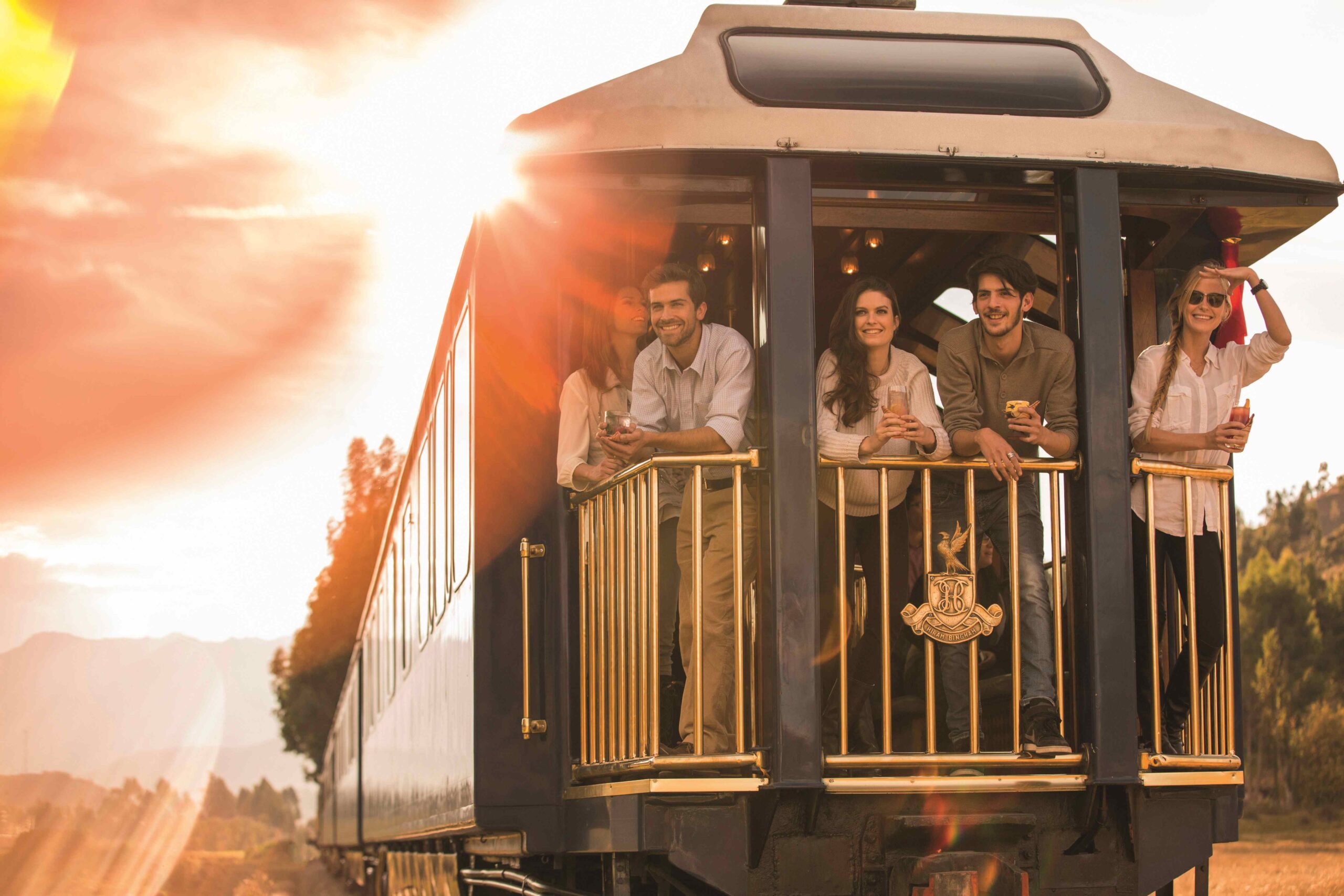
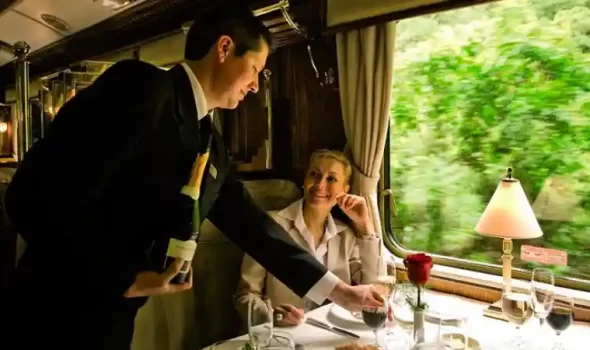
Travelers can include a luxury train experience in Peru on two specific routes already described in this article. The Hiram Bingham train connects the Machu Picchu stage, while the Andean Explorer can be considered when the itinerary continues through the southern highlands. The correct choice depends on the route being planned, not simply on adding a premium train experience.
- Can I visit Machu Picchu privately without crowds?
No, Machu Picchu is an iconic and unique destination with standardized access control. However, strategic planning is available to visit during off-peak hours, allowing you to enjoy a much less crowded experience.
- Do I need a guide for a luxury Peru itinerary?
It’s not mandatory, but it’s highly recommended, as this way your experience isn’t just about visiting destinations. You’ll also gain an understanding of ancestral knowledge and interpretations passed down through generations by the specialists who do this work.
- How do I avoid altitude sickness on a luxury Peru trip?
To avoid altitude sickness, it’s recommended that you take the necessary time to rest upon arrival, avoid any strenuous activity, stay well-hydrated, and minimize alcohol consumption to ensure your body can rest properly.

Now you have the core elements for planning a Luxury Peru Itinerary around your available days, destination order, connections, and preferred experiences. When you are ready to move from planning to booking, explore custom luxury tours in Peru or request a personalized Peru itinerary based on your dates and travel style.
“Unleash your wanderlust in style.”