

1.- WHAT IS CUY? UNDERSTANDING PERU’S GUINEA PIG DISH
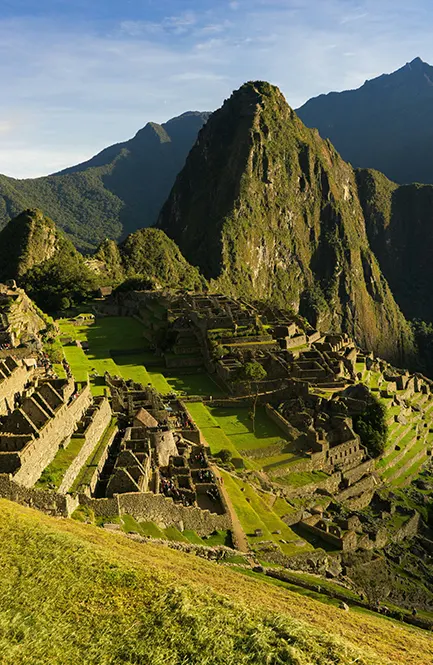
The Guinea Pig Peru is a small animal native to the Andes Mountains of South America. Throughout history, it has played a significant role in the daily diet of Andean culture, not only for its unique flavor but also because its meat provides a wealth of protein and nutrients essential for a healthy diet. When a traveler arrives for the first time, it’s common to wonder, Where to eat cuy in Peru?. The answer is quite simple: this dish is traditional, especially in the Andean region. You can enjoy it when visiting iconic places like Cusco, Ayacucho, and even Arequipa, where it’s not only prepared as part of a traditional recipe but also considered an emblematic symbol of the culture and a part of the region’s identity.
2.- Traditional Meaning of the Guinea Pig Peru within the Andean World
Within Andean beliefs, it’s important to understand that the Cuy food Peru is valued in a way that transcends its gastronomic aspect. In fact, since ancient times, this small rodent has been characterized as essential in various ceremonies, generally associated with religion, as well as other traditional processes, and even in offerings and linked to alternative medicine. It is for this reason that the Cuy Peruvian Dish has transcended in importance and cultural value even to this day, as many local families living in the Peruvian Andes have adopted a responsible method of raising this food source within their homes, and it has become a symbol of sustainability in relation to the family economy. Traditionally, the Cuy Peruvian Dish is believed to be an ancestral method for valuing and honoring traditions so that they can remain alive and vibrant even with the passage of time.
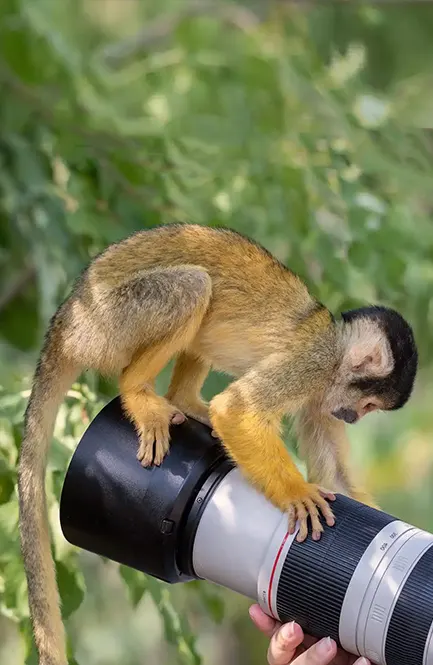
Many people are unaware that the guinea pig also has a scientific name, Cavia porcellus, which is internationally known as the cavy. However, in other countries, this small animal is considered primarily a pet, and its consumption is strictly prohibited. In the Peruvian Andes, however, it has been domesticated mainly as a food animal, and its use varies according to cultural tradition and historical context.
3.- THE HISTORY OF CUY IN PERU – A 5,000-YEAR-OLD TRADITION
Today, Cuy Peruvian Dish is considered one of the most important emblematic dishes in the country. While it is essentially prepared following a traditional recipe, its presence in the culture dates back to ancient civilizations that played a role in the formation of what we know as Peru. In fact, its presence dates back more than 5000 years to ancient Andean cultures that inhabited these lands long before the arrival of the Incas. This small animal was domesticated by ancient pre-Columbian civilizations, who used it in various ways, including food preparation, medicinal purposes, and symbolically, spirituality. Thanks to the cultural preservation that has been maintained over time, this animal has become fundamental to the preparation of Cuy Peruvian Dish, and is thus recognized as part of Peru’s cultural identity.
4.- The Guinea Pig in the Inca Empire
Although the guinea pig was domesticated by the families who inhabited the Andean region during the pre-Columbian era, this cultural aspect was also inherited within the Inca culture. Its value was generally not limited to food; it became a symbol of daily life. Thus, it was very common to find large groups of guinea pigs living in close proximity to the kitchen, as their instinct allowed them to reproduce quickly. They were easily fed with organic and local ingredients, and were therefore seen as a constant and renewable food source.
At times, this small rodent was also used as a fundamental element in ceremonies primarily linked to culture and religion. This was evident in Andean beliefs, where they were offered as part of a tribute to the spiritual world. They were also key figures in healing rituals, as many Andean healers used them diagnostically for various illnesses, based on the belief that these small animals could absorb negative energy emitted from the body. In fact, this belief laid the foundation for what is now known as Andean cosmogony and is still practiced in rural communities throughout the vast Andean region.
5.- A National Delicacy
There’s no doubt that Cuy Peruvian Dish is one of the most sought-after traditional dishes by travelers looking to discover its unique flavor in every bite. Its popularity has been steadily increasing in recent years, as it’s seen not only as a sacred food but also as a more direct way to connect with the culture and traditions that still thrive in the Andean region. When travelers ask, Where to eat cuy in Peru?, they are always advised to visit cities in the southern part of the country, such as Cusco and Arequipa, where this dish is more readily available. This is especially true during cultural festivals, as there are emblematic moments when cuy takes center stage, resulting in an unforgettable experience.
6.- TRADITIONAL CUY DISHES AND PREPARATIONS IN PERU
For the preparation of Cuy food Peru, it’s important to consider that the guinea pig is the most important and emblematic ingredient within the vast gastronomic heritage that has been preserved intact in Peru, especially in the Andean region. Thus, today you can appreciate a wide variety of versions of the Cuy Peruvian Dish that you can easily try during your next trip, as each of these recipes stands out for its intense flavor and strong identity. Each preparation is based on a traditional method, incorporating some contemporary variations, but still preserving the distinctive flavors found in the cuisine of emblematic places like Cusco and Arequipa.
6.1.- Baked Guinea Pig
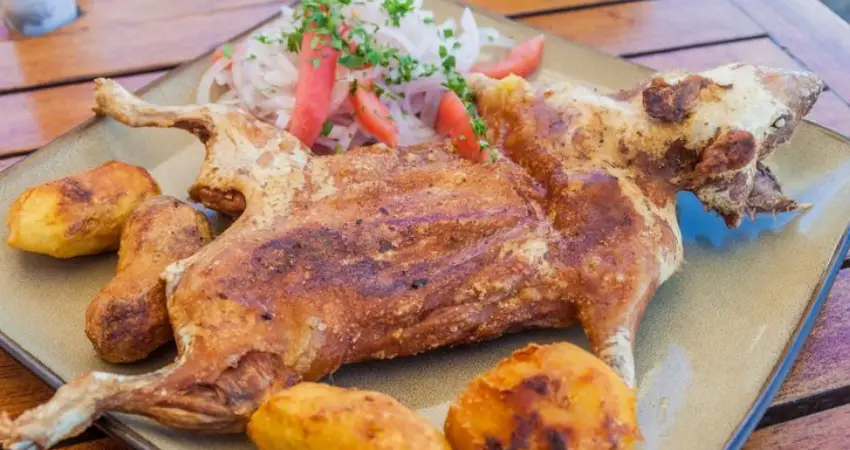
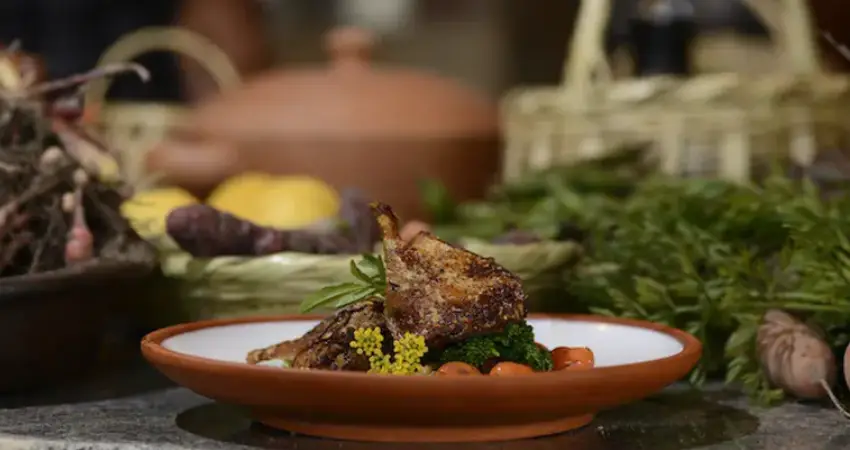
This is the most traditional version of the Cuy Peruvian Dish. Its recipe has a long history, as it’s essential for achieving the highly prized flavor of this emblematic dish. First and foremost, after being properly cleaned, the guinea pig must be marinated in a combination of spices, including garlic cloves, cumin, panca peppers, and aromatic herbs, the most important being wacatay, which is traditional in the Andean region. Then, it’s placed in an oven at a moderate temperature, creating the ideal environment for browning the skin and achieving a crispy texture. Once removed from the oven, it’s served directly on a plate with a portion of potato, a piece of corn, and salad, showcasing the diverse flavors of the Peruvian Andes.
6.2.- Cuy al Palo (Guinea Pig on a Stick)
As a different preparation of the traditional Cuy Peruvian Dish, Cuy al Palo is primarily served at culinary fairs and festivals in the Andean region. The process is quite simple: a whole guinea pig is skewered on a stick and then placed directly over hot coals to cook slowly and gently. This is achieved by gently turning the guinea pig constantly to ensure even cooking. This unique method of preparation is visually appealing, creating a curious spectacle that attracts many visitors who enjoy watching it before savoring the meal. It is also traditionally served as the signature dish at community events, a shared meal for everyone to enjoy.
6.3.- Chiriuchu
Recognized primarily as the most important Cuy Peruvian Dish in the Cusco region, and the flagship dish of the Corpus Christi religious festival, its preparation is quite simple yet embodies the essence of the culture and tradition inherited from the Inca era and perfectly adapted during the colonial period. The guinea pig is traditionally oven-roasted and then combined with other ingredients such as chicken, dried meat, cheese, seaweed, and corn, resulting in a unique combination. Of course, a portion of rocoto pepper is essential, sealing the flavor in every bite.
6.4.- Cuy Pepian
This version of the Cuy Peruvian Dish is considered unique to the Andean region. It’s based primarily on preparing the guinea pig in a much thicker stew with a high concentration of nutrients, resulting in a texture similar to a stew or curry. It’s combined with peanuts, chili peppers, and various spices and aromatic herbs. This slow cooking process allows the meat’s full flavor to infuse into the sauce. It’s then served in individual portions, often accompanied by potatoes or white rice, as the flavors are much more intense and quite pleasant. This dish is commonly prepared for celebrations in rural areas.
6.5.- Modern Versions
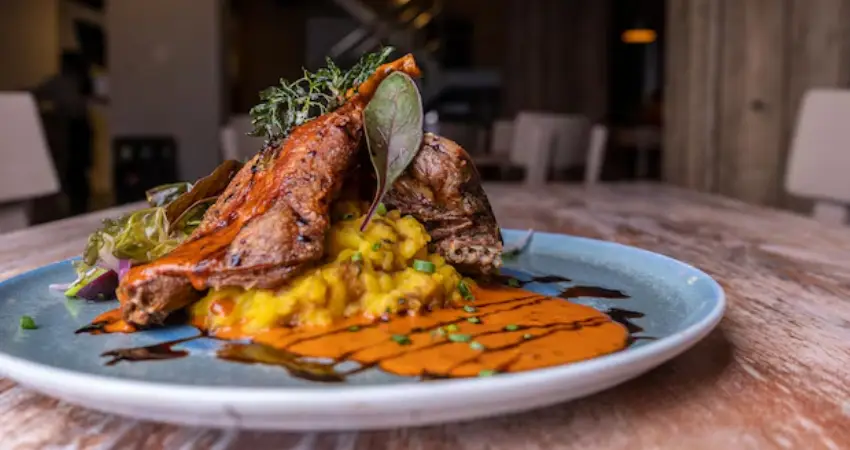
Currently, gastronomy has evolved significantly, with the traditional Cuy food Peru, being reinterpreted within modern cuisine in a much more innovative way. It’s even presented in a unique gourmet version, resulting in a sensory experience. However, all the establishments that dare to embrace these flavors are unique. This generally occurs in fine dining restaurants located in major cities like Lima, where you have the opportunity to enjoy the flavors of confit guinea pig or guinea pig croquettes, which are quite popular for their intense flavor. In this way, the versatility of this ingredient is showcased, and its value is much more prominent in today’s culinary landscape.
7.- NUTRITIONAL VALUE OF CUY – WHY IT’S CONSIDERED A SUPERFOOD
Guinea pig is not only considered part of traditional Andean cuisine; in fact, it has a much broader interpretation. Within the culinary traditions of Cusco and Ayacucho, it stands out primarily for its significant health benefits as a nutritional resource. Its meat is considered one of the richest sources of protein and is low in fat, thus not affecting cholesterol levels. It is recognized as a healthy and beneficial alternative in the daily diet of the Peruvian Andes.
This high concentration of high-quality protein has made the nutritional value of this small food source admired and appreciated by locals and travelers from around the world. It directly contributes to muscle development and has also been shown to play a role in tissue repair. Thanks to its low fat content compared to beef, it is highly recommended for people trying to regulate their daily diet and balance their food intake. It is also important to know that it contains other minerals such as iron and zinc in high concentrations, as well as B vitamins, which are essential for the proper development and functioning of the body.
It offers greater benefits in terms of fat and cholesterol content compared to other meats like chicken and pork, while maintaining the same amount of protein, making it one of the most competitive and recommended meats for consumption. This option is quite mild in flavor, and it doesn’t require neglecting the nutrients that should be consumed regularly for a proper diet. For people with medical diagnoses that recommend reducing their consumption of animal products, this is the perfect alternative, as it allows you to enjoy a wide variety of flavors without compromising your health.
8.- FAQs
- What is cuy in Peru?
It’s a small, domesticated animal that has been part of Peruvian history for over 5000 years, dating back to the ancient pre-Columbian cultures. Scientifically known as Cavia porcellus, it’s quite popular in the Andean region and is a traditional food with a rich historical legacy and deep cultural identity.
- What does cuy (guinea pig) taste like?
The most important thing to know about guinea pig is its unique flavor, unlike beef or pork. It may have a slightly similar taste to chicken or rabbit, but its texture is much firmer. Of course, the flavor always varies depending on how the recipe is prepared.
- Is it safe to eat cuy in Peru?
This dish has become one of the most celebrated and popular, and there are many ways to prepare and eat it. However, it’s crucial to ensure it’s cooked properly and thoroughly. Both restaurants and traditional homes generally follow recipes that have been passed down for generations.
- Why do Peruvians eat guinea pigs?
Guinea pig consumption is part of our cultural identity, a legacy passed down from ancient pre-Columbian cultures to the Inca civilization and up to the present day. It’s also important to mention that today it’s recognized as a superfood due to its high protein content.
- Is cuy healthy to eat?
Highly recommended by doctors because of its high protein concentration, low fat percentage, and wide range of nutrients, it’s one of the healthiest options you can find in your daily diet.
- What is the difference between cuy al horno and cuy chactado?
Baked guinea pig is the traditional way to prepare this small but delicious animal. It’s cooked in a preheated oven, slowly roasting the meat until it’s juicy and has a golden-brown skin. On the other hand, fried guinea pig is a traditional Arequipa dish, where it’s flattened and deep-fried in hot oil, resulting in a crispier texture.
- Where is the best place to eat cuy in Peru?
Today you can find this popular dish in many cities; however, traditionally this dish belongs to the Andean region, so its consumption stands out in emblematic cities such as Cusco, Arequipa and Ayacucho, where it is not only food but also part of the cultural identity.
| “Travel makes you speechless, then a traveler with a story.” |
9.- CULTURAL SIGNIFICANCE
“When a world traveler has the opportunity to savor the Cuy Peruvian Dish, they are not only tasting a delicious dish but also experiencing a dish directly linked to the ancient traditions of the Peruvian Andes. Each bite is like tasting a culture and history that transcends time.”

The flavors of Peru are so varied and complex that changing just one ingredient can create thousands of new flavors. Your trip should aim to try them all. Auri Peru can guarantee that during your trip you’ll have the opportunity to savor the unique flavor of this traditional dish. Contact us now and enjoy a delicious trip.
“Travel and eat more, regret less.”