

On November 4, 2026, Lima will host The 50 Best Restaurants 2026, the annual awards ceremony that reveals the world’s top-ranked restaurants. It will be the first global edition held in Peru, bringing international attention to a city where neighborhood cevicherías and ambitious tasting-menu restaurants share a rich culinary landscape.
The awards were previously known as The World’s 50 Best Restaurants, the name many travelers still recognize. Unlike public ratings, the list is compiled from votes cast by an international academy of restaurant experts.
The 2026 ranking is being released in two stages. Positions 51–100 were published on October 21, with Mil in Cusco at No. 95. The Top 50, including the new world No. 1, will be announced on November 4.
The World’s 50 Best Restaurants 2026: Quick Facts
| Event Details | Official Information |
|---|---|
| Event | The 50 Best Restaurants 2026 |
| Ceremony date | November 4, 2026 |
| Host city | Lima, Peru |
| Venue | Teatro Municipal de Lima |
| Rankings 51–100 | Announced October 21, 2026 |
| Rankings 1–50 | To be announced November 4, 2026 |
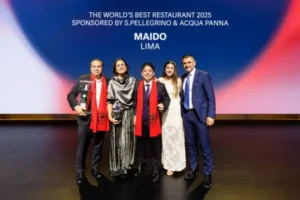
| Previous No. 1 restaurant (2025) | Maido, Lima, Peru |
| Live broadcast | Official The 50 Best YouTube channel |
The World’s 50 Best Restaurants 2026: Latest Ranking Updates
The first confirmed results of 2026 are available. The extended ranking names 50 restaurants outside the Top 50 and shows how widely the international dining scene now reaches.
The 51–100 list spans 25 territories and 36 cities across six continents. It features established European institutions alongside newer restaurants in Asia and Latin America.
Ling Long in Shanghai is No. 53, the highest-ranked new entry in the extended list. Mil in Cusco is No. 95, bringing Peru’s Sacred Valley into a ranking often associated with major cities.
When Will the Full 2026 Ranking Be Announced?
The remaining positions, from No. 50 to No. 1, will be announced on Wednesday, November 4, 2026, at the Teatro Municipal de Lima.
The organization plans to livestream the countdown on its official YouTube channel. The winning restaurant will be revealed at the end of the ceremony.
The 50 Best Restaurants 2026: The 51–100 List
The 2026 list of restaurants ranked 51–100 is already official, providing a useful view of the international dining landscape before the Top 50 announcement.
Uliassi in Senigallia, Italy, leads at No. 51. Mauro Uliassi’s seafood-focused cooking draws on memories of the Adriatic coast. At No. 52 is La Cime in Osaka, where Yusuke Takada combines Japanese produce with French technique.
Notable Restaurants in the Extended Ranking
There are nine new entries in the extended ranking, including Nelita in São Paulo (No. 54) and Seroja in Singapore (No. 64), where the cooking draws inspiration from the Malay Archipelago.
Asia’s other notable entries include Eatanic Garden in Seoul (No. 72), Baan Tepa in Bangkok (No. 90) and Lamdre in Beijing (No. 92). Lamdre stands out for its plant-based interpretation of Chinese cuisine.
Mexico has five restaurants in the extended list. Among them are Alcalde in Guadalajara (No. 55), Huniik in Mérida (No. 79) and Rosetta in Mexico City (No. 96), each taking a different approach to regional ingredients.
Brazil is represented by Nelita (No. 54) and Evvai (No. 68) in São Paulo. Mil in Cusco (No. 95) gives South America’s Andean region a place on the list.
The list also reaches beyond familiar dining capitals. SingleThread in Healdsburg, California, ranks No. 93, while Khufu’s in Giza, Egypt, enters at No. 97 with views of the pyramids.
Readers interested in exploring every restaurant and its official position can consult The 50 Best Restaurants 2026 extended ranking, published by the organization behind the awards.
Why Is Lima Hosting The 50 Best Restaurants 2026?
Lima’s choice as host brings the global awards to a country that has already produced two world No. 1 restaurants. Yet the city’s food culture is not confined to fine dining: cevicherías, family recipes and traditional markets are just as important to its identity.
Peruvian cooking draws from the Pacific coast, the Andes and the Amazon. In Lima, ingredients from all three regions meet culinary traditions shaped by migration and cultural exchange.
Lima hosted the Latin American edition of the awards in 2013 and 2014. The 2026 ceremony is the first global edition held in Latin America, a different milestone from those earlier regional events.
According to PromPerú, around 1,200 international guests are expected for the November 2–4 programme. The gathering will also put local restaurants, producers and tourism businesses before a global audience.
Date, Venue and How to Watch the Awards
The awards ceremony will take place on November 4 at the Teatro Municipal de Lima, in the city’s historic center.
The ceremony is primarily an industry event, but viewers can follow the countdown on The 50 Best’s official YouTube channel. The results will also be available on the organization’s website.
The 50 Best Talks and Signature Sessions in Peru
The November 2–4 programme extends beyond the awards ceremony. Some activities bring together industry professionals; others give diners an opportunity to participate.
On November 3, The 50 Best Talks will feature discussions with chefs and industry figures about the ideas shaping restaurants today.
The 50 Best Signature Sessions bring visiting international chefs into Lima restaurants for special dining collaborations. These are a way for visitors to participate in the programme rather than simply follow the awards.
Signature Sessions are ticketed and places may be limited. The official The 50 Experiences programme provides the latest details about participating restaurants and bookings.
Peru’s Restaurants in The World’s 50 Best Rankings
Peru’s recent achievements include two world No. 1 restaurants: Central in 2023 and Maido in 2025. Their different approaches show how varied contemporary Peruvian fine dining has become.
Maido and Central: Peru’s World No. 1 Restaurants
Maido, No. 1 in 2025, is Mitsuharu Tsumura’s restaurant in Miraflores. Its Nikkei cooking brings Japanese techniques together with ingredients and flavors rooted in Peru.
The restaurant’s menus explore more than a simple pairing of two cuisines, incorporating produce from Peru’s coast, Andes and Amazon. Maido offers a distinctive introduction to the Japanese influence on the country’s food.
For travelers interested in discovering this celebrated dining experience, our guide to Maido restaurant in Lima provides a closer look at the restaurant and its significance within Peru’s gastronomic landscape.
Central was the world No. 1 in 2023. Led by Virgilio Martínez and his team, it builds its tasting experiences around Peru’s ecosystems and the ingredients found at different elevations.
Although the restaurant is in Barranco, the landscapes behind its dishes extend from the Pacific to the high Andes and the rainforest.
Central’s work is closely linked to Mater Iniciativa, which researches biodiversity, agricultural practices and the knowledge of communities connected with those ingredients.
Central and Maido are now part of The 50 Best’s Best of the Best group. Former world No. 1 winners are ineligible for future annual rankings, so neither restaurant can take the top position in 2026.
Kjolle, Mérito and Mayta: Peru’s 2025 Standouts
Kjolle, led by Pía León, ranked No. 9 in 2025. In Barranco, León puts the texture, color and character of Peruvian ingredients at the center of an independent culinary vision.
Mérito reached No. 26 in 2025. At this intimate Barranco restaurant, Venezuelan chef Juan Luis Martínez connects his culinary heritage with Peruvian produce.
Mayta placed No. 39 in 2025. Jaime Pesaque’s Miraflores restaurant reinterprets Peruvian flavors with contemporary techniques and ingredients from different regions.
These are 2025 positions, not predictions for 2026. The new Top 50 ranking will be announced on November 4.
Mil in Cusco: No. 95 in the 2026 Ranking
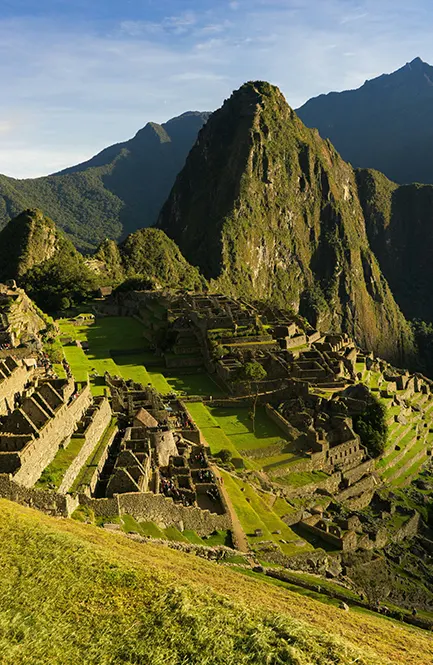
Mil is No. 95 in the confirmed 2026 extended ranking, compared with No. 75 in 2025. Its setting near Moray in the Sacred Valley gives Cusco a distinct place on the international list.
At roughly 3,600 meters above sea level, Mil’s location is part of the experience. The nearby Moray terraces make the relationship between food, altitude and agricultural knowledge unusually tangible.
Virgilio Martínez and his team work with ingredients from the surrounding ecosystem and local cultivation practices. Unlike Central’s nationwide exploration, Mil is closely focused on its immediate Andean environment.
How Are The World’s 50 Best Restaurants Selected?
The 50 Best ranking is based on expert votes, not public reviews. Its Academy asks members to nominate restaurants they have visited recently, without imposing a universal checklist for an exceptional dining experience.
How the Voting Process Works
The Academy comprises more than 1,100 experts across 28 regions, with part of its membership refreshed each year.
Panels include food writers and critics, chefs and restaurateurs, and well-traveled diners, bringing different perspectives to the voting process.
Each member ranks 10 restaurants and must have visited each one within the previous 18 months. Voters are also asked for evidence of their visits.
No more than six choices may be located in the voter’s home country, encouraging consideration of restaurants elsewhere.
Voters cannot select restaurants in which they have a financial interest, and employees of the organizer and sponsors cannot participate. Deloitte independently adjudicates the results.
Restaurants do not need a particular cooking style, a Michelin star or a history of awards to qualify. The final list reflects the Academy’s dining experiences rather than a fixed numerical score for each meal.
Readers interested in the complete methodology can consult The 50 Best Restaurants’ official voting system.
The World’s 50 Best Restaurants vs. Michelin Stars
The Michelin Guide and The 50 Best Restaurants recognize outstanding dining, but their methods are different.
Michelin’s anonymous inspectors assess cooking against five criteria: ingredient quality, harmony of flavors, technical mastery, the chef’s personality expressed through the food, and consistency.
Restaurants may earn one, two or three Michelin stars. The 50 Best instead publishes an ordered annual list based on votes from its Academy.
Michelin stars focus on cuisine rather than décor or service. The 50 Best leaves the judgment of an exceptional restaurant experience to individual voters, which makes its scope broader and more subjective.
For travelers, the two systems are useful starting points, not interchangeable measures of quality.
Experience Peru’s World-Class Gastronomy Beyond the Awards
A trip inspired by The 50 Best need not consist only of tasting menus. A market breakfast, a neighborhood cevichería and dinner at a celebrated restaurant each reveal a different side of Peru’s food culture.
For more ideas, see our guide to the best restaurants in Peru.
Lima and Cusco: Two Distinct Culinary Experiences
Lima is a natural place to begin, particularly in Miraflores and Barranco, where fine-dining restaurants share neighborhoods with more casual places to eat.
Miraflores is known for its seafood restaurants and established dining rooms; Barranco combines a lively cultural scene with inventive kitchens. Exploring both offers a broader view than visiting one headline restaurant.
Popular tasting-menu restaurants often require reservations well in advance. Check the menu format, dietary requirements, cancellation policy and expected meal length before booking.
In Cusco, food is closely tied to Andean agriculture and altitude. Native potatoes, corn and quinoa remain central to regional cooking.
Travelers can explore traditional dishes alongside newer interpretations. Our Cusco restaurant guide offers a starting point.
In the Sacred Valley, agriculture and landscape are especially visible, and restaurants such as Mil allow diners to encounter ingredients in the region where they grow.
Visiting Mil requires planning. At around 3,600 meters above sea level and outside central Cusco, it calls for advance reservations, transportation and sensible acclimatization. Our Mil Restaurant Moray guide explains what to consider.
Auri Peru can help travelers connect restaurant visits with time in the regions that produce the ingredients, combining dining with cultural experiences rather than rushing between reservations.
For further inspiration, explore our foodie vacation guide to Peru.
Frequently Asked Questions About The 50 Best Restaurants 2026
When and where will The 50 Best Restaurants 2026 take place?
The ceremony is on November 4, 2026, at the Teatro Municipal de Lima, Peru.
Has the full World’s 50 Best Restaurants 2026 list been announced?
No. Positions 51–100 were published on October 21. The Top 50 will be announced November 4.
What is the best restaurant in the world in 2026?
As of October 29, the 2026 world No. 1 has not been announced. Maido won the previous edition in 2025.
Which Peruvian restaurants are included in The 50 Best Restaurants 2026?
Mil in Cusco is No. 95 in the published 51–100 ranking. Any Peruvian restaurants in the Top 50 will be confirmed on November 4.
Why are Maido and Central not competing in the 2026 ranking?
Both have previously won the world No. 1 title—Central in 2023 and Maido in 2025—and are now members of Best of the Best, making them ineligible for subsequent annual rankings.
Is The World’s 50 Best Restaurants now called The 50 Best Restaurants?
Yes. Since September 2026, the official name has been The 50 Best Restaurants. The rebrand did not change the voting methodology.
How can I watch The 50 Best Restaurants 2026 ceremony?
The November 4 ceremony will be livestreamed on The 50 Best’s official YouTube channel.
Can travelers visit Peru’s award-winning restaurants?
Yes, with advance planning. Reservations depend on the restaurant, while visits outside Lima—such as Mil near Moray—also require transportation and time to acclimatize.
Final Thoughts: Peru on the Global Culinary Stage
The November 4 announcement will reveal the 2026 Top 50, but a ranking can only tell part of Peru’s culinary story. The ingredients behind Lima’s celebrated kitchens often come from places far beyond the capital.
A rewarding itinerary leaves room for both an exceptional restaurant reservation and an unhurried encounter with the markets, producers and local dishes that give each destination its character.