

1.- PLANNING YOUR TWO WEEKS IN PERU: ESSENTIAL PRE-TRIP INFORMATION
We’re confident that the Two Weeks in Peru Itinerary will be the ideal option to help you enjoy one of the world’s simplest tourist destinations. However, this experience requires very detailed preparation, as it’s the only way to make the most of your time. It’s also important to plan your destinations appropriately to avoid any setbacks or inconveniences. The experience begins from the moment you arrive in the country, where every aspect is important to help you delight in the adventure and not worry about any details. Some essential details you should know are general information that will help you tailor your experience to your needs.
1.1.- How to get to Peru
One of the first things you should know when planning a Two Weeks in Peru Itinerary is undoubtedly your arrival route. Generally, there are several air connections from multiple cities in the Americas and Europe. The capital city is the main gateway, as it is home to Jorge Chávez International Airport, and for many travelers, it represents the most convenient way to get there. This airport receives direct and connecting flights daily, making it a convenient stopover point when looking to enjoy the attractions of other regions, such as the Andes or the Amazon rainforest. For this reason, during your trip, it is very important that you consider all the necessary details for access, as well as the requirements, which always vary depending on your country of origin.
1.2.- Documentation Requirements
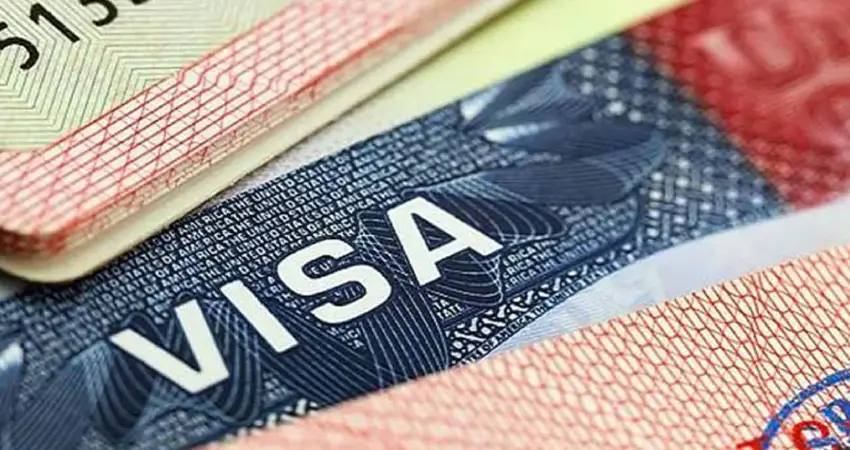
Most travelers around the world do not need a visa to enter Peru, especially if they are American or European citizens and meet the requirement of staying only 90 days in the country. However, it is an important requirement to export with an updated identification document (passport) that is valid for more than 6 months from the date of travel. Additionally, you should be aware that some countries on these continents have exceptions due to two legal complications. Therefore, you can check whether your country requires a tourist visa to enter Peru on the Peruvian consulate website. Another important documentation requirement, and sometimes requested, is the departure airline ticket, as it provides proof of temporary stay and the intention to return home.
2.- Transportation in Peru: Domestic Flights, Buses, and Trains
When travelers arrive in Peru to enjoy their Two Weeks in Peru Itinerary, they have the option to travel between multiple cities, utilizing various forms of transportation depending on the destination and the order chosen. This provides a wide variety of options, including domestic flights, ground transportation, and even trains. Each transportation option represents a different way to experience the Peru 14 days adventure.
2.1.- Ground Transportation
This option is known as the most popular among travelers looking to explore part of Peru leisurely, appreciating the natural landscapes created by the connection between multiple cities. For this purpose, travelers use renowned services from companies such as Cruz del Sur or Peru Hop, which stand out from many other companies primarily for the safety, reliability, and comfort they provide, even when considering long trips. These experiences are truly flexible, allowing travelers to discover multiple destinations during a single leisurely tour, allowing them to enjoy a long but convenient journey.

2.2.- Air Routes
There is also a group of travelers looking to enjoy the adventure of a Two Weeks in Peru Itinerary in a special way. Therefore, their main priority will always be to save time. The best way to get from one place to another with this characteristic is via a domestic flight, which connects multiple cities and takes only 1 hour and 20 minutes. Among the most recognized companies, LATAM and Sky Airlines undoubtedly stand out as the most prestigious for local flights, thus optimizing time when it comes to reaching cities such as Lima, Cusco, Arequipa, Juliaca (Puno), Iquitos, and others. Of course, before choosing this transportation option, you should consult directly with a travel advisor to understand if there is a departure and arrival airport. There are some emblematic areas of Peru that do not have a direct airport, but do have one nearby.

2.3.- Train System
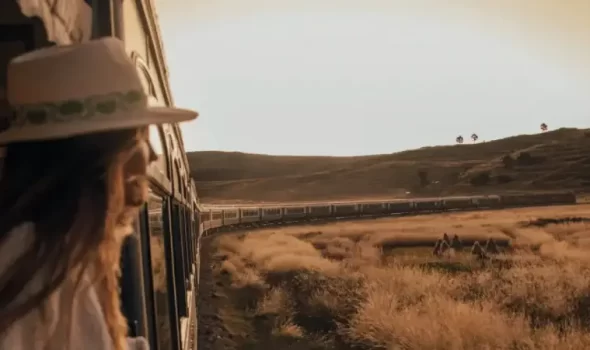
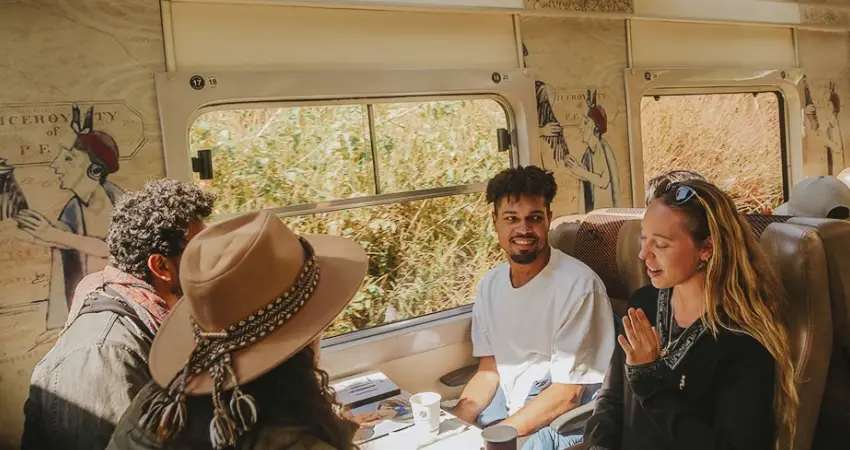
This cultural alternative, allowing you to explore the interior of a beautiful train, focuses its operations primarily within the Andean region, helping travelers discover iconic sites such as the Inca citadel of Machu Picchu. The main stations are generally located in the city of Cusco, from where a network of roads connects to the vast Sacred Valley and later to the Urubamba Valley, where the world wonder is located. Here, the services of two renowned companies, Peru Rail and Inca Rail, stand out. They offer options in many categories, from the standard version to the most exclusive, specifically designed for the most demanding travelers. However, the trip stands out for being an opportunity for cultural immersion, where each passenger has the chance to enjoy unique landscapes that combine immense mountains and vast rivers.
3.- Where to Stay in Peru
A Two Weeks in Peru Itinerary requires extensive planning across several cities, so your overnight stay should always be tailored to the type of trip you want to experience. It should also be tailored to your budget and preferences. This way, you have a variety of accommodation options, from standard accommodations to prestigious and luxurious boutique options. All regions, without exception, have options to choose from, easily adaptable to the traveler’s preferences.
3.1.- Lima Neighborhoods
Accommodations are always located within the main neighborhoods where tourism is increasing. Thus, Lima offers the alternative of the popular Miraflores neighborhood or the bohemian Barranco neighborhood. Each has a unique charm, with the former being one of the most popular tourist destinations and notable for its safety and extensive ocean views, where the variety of restaurants expands travelers’ options. The latter is primarily suited to travelers seeking a quiet place directly associated with art and nightlife. The variety of accommodations in both neighborhoods varies according to each traveler’s needs. The main options are Ibis Miraflores, Pullman Lima Miraflores, Hotel B and more.
3.2.- Cusco
The tourist focus of the ancient capital of the Inca culture is primarily within the historic center. This is the main location where most accommodations and tourist options can be found when it comes to choosing a place to rest during your stay. There are many options to choose from, ranging from standard options to luxurious and prestigious ones. Cusco is located within ancient convents or monasteries surrounding the main square. You should take into consideration that Cusco is more than 3,400 meters above sea level, which represents a constant challenge for many travelers arriving at this altitude for the first time. However, by setting aside time to rest properly and keep your body hydrated, you can adapt more easily and simply. The main options are hotel Marriott Cusco, Hilton Garden Inn Cusco, wyndham costa del sol cusco and more.
3.3.- Interior of the Sacred Valley
In the extensive Sacred Valley, you can find a wide variety of options, including hotels and boutique accommodations, which stand out for their unique views of the mountains. Some of the best hotels have been built in old mansions, restored to recover their historical value. This way, you can take advantage of this proximity to historical sites such as archaeological sites to enjoy an accessible visit without complications or delays in planning, making the journey more convenient when preparing to reach the Inca city of Machu Picchu. The main options are Tambo del Inka, a Luxury Collection Resort & Spa, Valle Sagrado, sol y luna – relais & châteaux, and more.
4.- THE CLASSIC TWO WEEKS IN PERU ITINERARY: DAY-BY-DAY BREAKDOWN
A Two Weeks in Peru Itinerary gives you the opportunity to immerse yourself in the natural and cultural wonders of the diverse regions, combining iconic traditional destinations with personalized, exclusive experiences. This way, you can tailor a trip to suit your needs and expectations for your Peruvian adventure, exploring a unique perspective on history, culture, gastronomy, nature, and many other aspects.
| “Explore. Dream. Discover..” |
4.1.- Week 1: Coastal Desert to Ancient Capitals
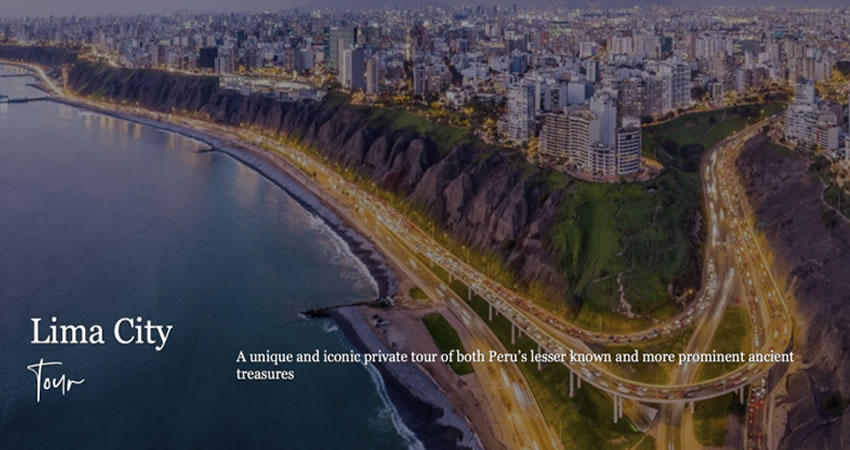
Your next adventure with a Two Weeks in Peru Itinerary begins with your arrival in Lima, considered the country’s capital and simultaneously the gastronomic capital of Latin America. Lima possesses a unique and special essence that extends throughout the city. Therefore, during the first few days, we establish an adequate timeframe to gradually begin the experience. It begins with a visit to the historic center, where you can appreciate how the past and present merge in an ideal setting that shows the passage of time and how many buildings have been preserved to showcase the Peruvian identity of a historical legacy that prevails for generations. You will also have the opportunity to enjoy a walk through the most popular neighborhoods such as Miraflores and Barranco, which are recognized as the most popular tourist options, as well as a unique bohemian characteristic, giving you the opportunity to enjoy spectacular views of the vast Pacific Ocean. It’s also the perfect time to enjoy a gastronomic experience that extends not only to the best restaurants like Central or Maido, but also to a traditional visit to local markets where you can learn about the origin of the local ingredients used to prepare the most emblematic dishes like ceviche or lomo saltado.

The adventure continues with land transportation along the Pan-American Highway to reach Paracas. This is one of the most special places on the Peruvian coast, as it has a natural area protected by the state. Here you will also find the Ballestas Islands, one of the most diverse ecosystems for marine life, hosting various groups of sea lions, Humble penguins, and countless species of seabirds. All of this is possible aboard a tourist yacht, allowing you to enjoy unique closeness to marine fauna in addition to the incredible natural environment. The trip then continues to the Huacachina Oasis in the Ica region. This place stands out as a natural paradise amidst the desert dunes, where you can enjoy the sunset in a special way and have the opportunity to visit one of the local vineyards.

This day is one of the most special days of your Two Weeks in Peru Itinerary, dedicated exclusively to fun and adrenaline-filled activities. These activities include traditional buggy rides through the vast dunes of different sizes and also sandboarding. During this time, you can enjoy a unique and special place of relaxation amidst the desert nature while taking advantage of the gentle breeze that blows throughout the day. The trip continues with overnight ground transportation to the city of Arequipa.
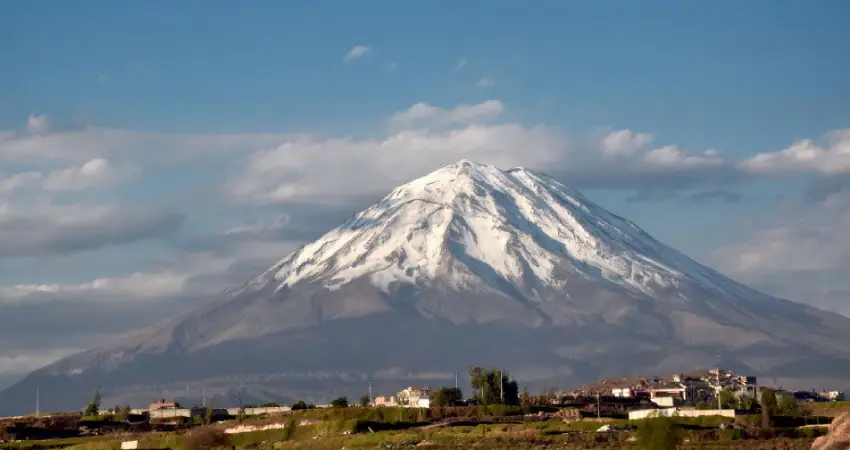
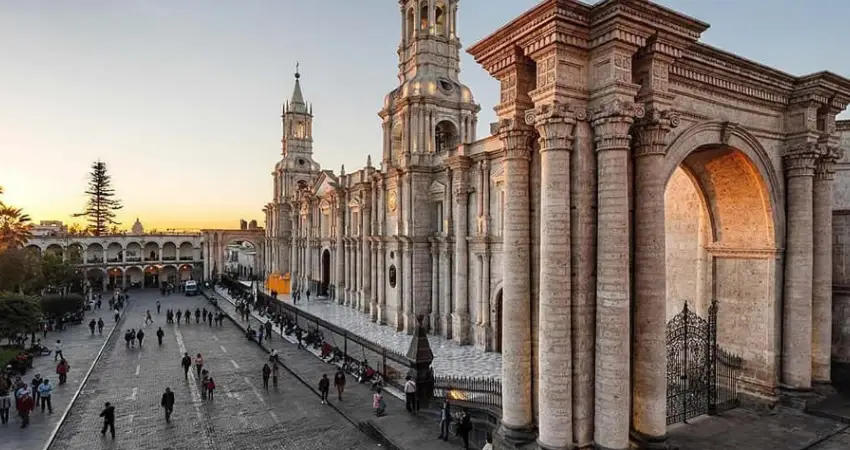
Without a doubt, one of the must-see places on your Two Weeks in Peru Itinerary is the white city of Arequipa, recognized primarily because most of its buildings are made from the sillar mineral, which is abundant in this area. This city displays a vast historical and cultural legacy, which can be easily enjoyed on foot, exploring the historic center, where renowned and important buildings such as the Santa Catalina Monastery and the main square stand out. It’s also ideal to visit local markets like San Camilo, where you can sample the delicious Arequipa cuisine, a symbol of Peruvian cuisine for its unique and distinctive flavors. As an alternative on the second day, you can take a short visit to one of the most incredible natural destinations in Peru and the world, the Colca Canyon. Considered one of the deepest canyons in the world, it allows you to see the essence and geographic diversity that exists in Peru, as well as having the opportunity to appreciate the majestic flight of the condor.
This is one of the most relaxing days of your next Two Weeks in Peru Itinerary. A direct flight from Arequipa to Cusco is offered. This flight takes approximately 1 hour and 20 minutes. Upon arrival, a shuttle will be waiting at the airport with a representative who will help you get to your chosen hotel, where you can enjoy the rest of the day calmly and patiently. This day is special because it is primarily used to adapt your body to the altitude. It is recommended to take short walks through the city’s historic streets, as well as drink plenty of water and occasionally coca tea.
4.2.- Week 2: Heart of the Inca Empire
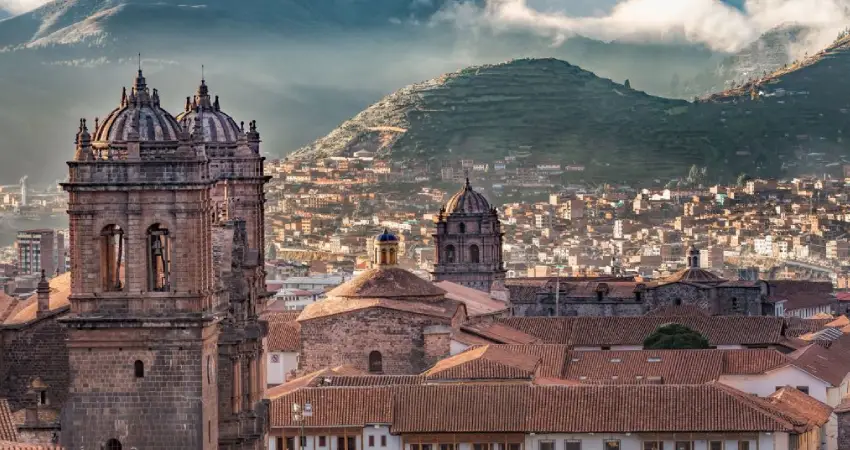
Exploring the attractions of the city, once the capital and center of Inca culture, also represents immersing yourself in the history and cultural heritage that remains alive to this day. This way, you can enjoy the beauty of the past and present in a special combination. Take advantage of the days to explore the most important tourist destinations and attractions, such as the Temple of the Sun, Cusco Cathedral, San Pedro Market, and other important sites within easy reach. Also, take a reasonable amount of time to explore the archaeological sites located in the upper part of the city, which showcase a part of the lifestyle and cultural heritage inherited from the Inca era, including sites such as Saqsayhuaman, Qenqo, Puca Pucara, and Tambomachay.
The Sacred Valley is recognized as one of the most emblematic sites during your visit to Cusco. From the very beginning, you’ll feel the essence of mysticism and traditional heritage that can be enjoyed in each town you visit. The first stop will always be Pisac, renowned for its impressive archaeological site at the top of the mountain, where the collection of terraces is truly impressive, as well as a colonial town located on the banks of the Vilcanota River. On the other hand, continuing the journey, you’ll also discover the imposing town of Ollantaytambo, considered a symbolic and very important site, as it serves as a connecting point for travelers seeking to reach Machu Picchu. This tour also offers the opportunity to explore more iconic and currently Instagrammable sites, such as the circular terraces of Moray or the salt ponds in Maras.

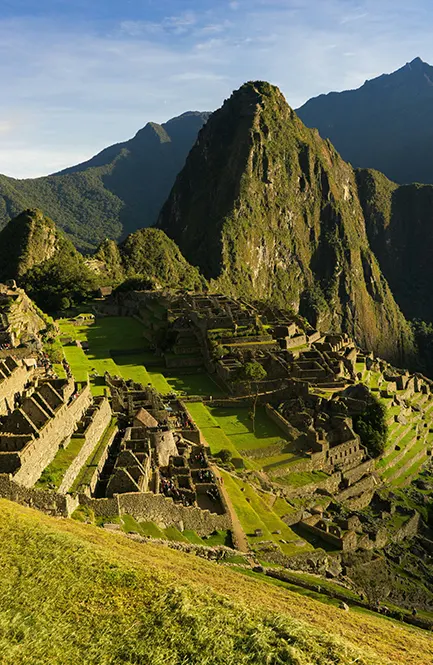
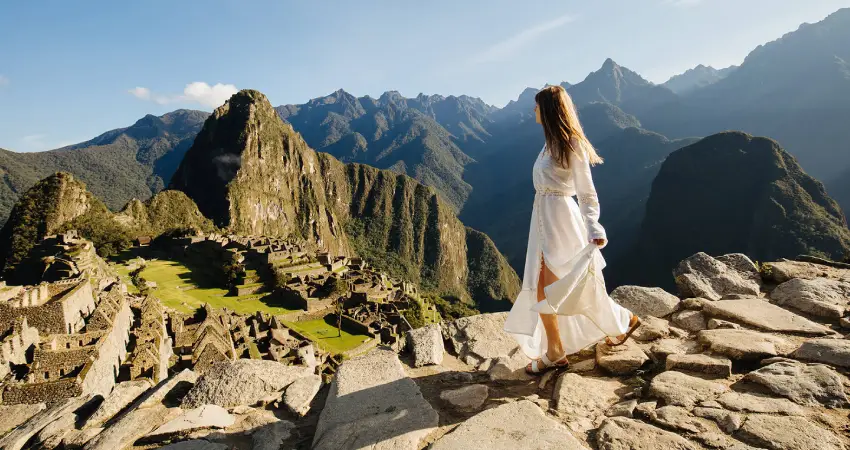
For thousands of travelers around the world, this day represents the highlight of their Two Weeks in Peru Itinerary. Some compare it to the icing on the cake, as it’s the most important place they want to visit during their visit to Peru. The trip consists of land transportation, then a train option allows travelers to reach the town of Aguas Calientes, where they board a tourist bus. Finally, they reach the Inca Citadel of Machu Picchu, where they take a guided tour of the interior to explore each of the important sites and enjoy the essence and energy emanating from the mountain itself. In the late afternoon, they return to the city of Cusco.
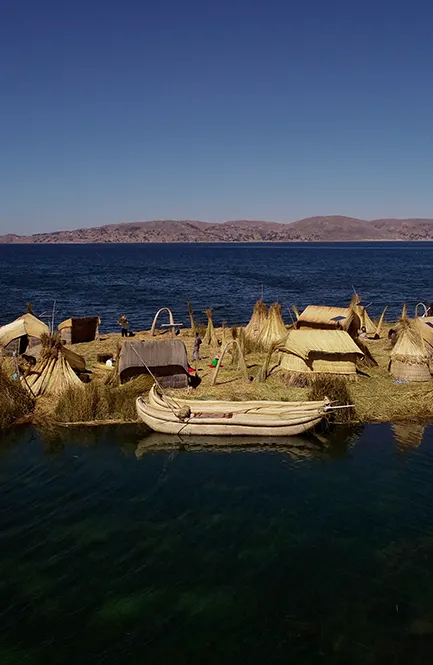
It’s impossible to complete a Peru 14 days trip without visiting one of the world’s most impressive natural wonders. In fact, Lake Titicaca is recognized and awarded the title of the highest navigable body of water in the world, rising above 3,800 meters above sea level. The first route is from Cusco to Puno, where strategic stops are made to explore important sites and unique historical remains. Once you reach the high plateau, you can directly visit the artificial islands of Uros or the natural islands of Taquile and Amantani, depending on your advance planning. At the end of the visit, you will choose to return to Juliaca Airport to find a connecting flight back to Lima to await your return flight home.
5.- INTERNATIONAL ALTERNATE AIRPORT
“Very few travelers know that although Jorge Chávez Airport in Lima is the most popular, it is actually not the only international airport. Alejandro Velasco Astete Airport also meets this requirement and designation, so it is possible to find direct flights to strategically selected locations such as Bogotá, La Paz, Santiago de Chile, and some other external regions.”
6.- FREQUENTLY ASKED QUESTIONS (FAQS)
- How much does a 2-week trip to Peru cost?
A Two Weeks in Peru Itinerary can vary in price depending on the type of service, included aspects, travel season, and even the travel agency you plan your trip with. Prices can easily start at approximately $1500.00 per person, of course, not including international flights, which typically range from $800.00 per person.
- What’s the best time of year to visit Peru for 2 weeks?
The best time of year to enjoy a full trip to Peru is undoubtedly during the dry season. This occurs between May and October each year and is characterized by a suitable and stable climate, making outdoor activities easy and safe.
- Do I need a visa to visit Peru?
Most people in the world do not require a tourist visa to enter Peru. They only need to have a passport valid for at least six months from the date of entry and a stay of only 90 days. However, there are a few countries that do have visa restrictions and require one. You can check on the Peruvian consulate’s website to see if your country requires this document.
- Is it safe to travel to Peru alone as a woman?
Peru is generally positioned as one of the most popular and safe destinations for all types of travelers, including women traveling alone. However, as a precaution, it is always recommended to practice basic personal hygiene at any point of visit. Keep in mind that major cities such as Lima, Arequipa, and Cusco are considered tourist hubs, so the infrastructure and security are adequate.
- What vaccinations do I need for Peru?
Providing a vaccine is not mandatory; however, it is recommended to have the basic doses of hepatitis and tetanus. However, if your trip includes an extended visit to the Amazon rainforest, it is recommended to have the yellow fever vaccine.
- How far in advance should I book my Peru trip?
These types of trips require more careful planning, so you should plan 4 to 6 months in advance to reserve and enjoy the experience without complications. Some destinations, such as Machu Picchu, are subject to availability.
- Can I use US dollars in Peru?
Yes, the dollar is one of the currencies directly accepted by most businesses, including hotels, restaurants, and even travel agents. However, please note that many remote destinations do not have this option, and you should always have an adequate amount of cash in the local currency, the Peruvian sol.
We’re ready to kick off your next adventure. Auri Peru organizes customized and tailored trips that can last two weeks or even longer, so you don’t have to worry about any details. Contact us now, and we’ll take care of absolutely everything from the very beginning.
“There are no shortcuts to any place worth going.”