

1.- WHAT IS POTATO PARK (PARQUE DE LA PAPA)?
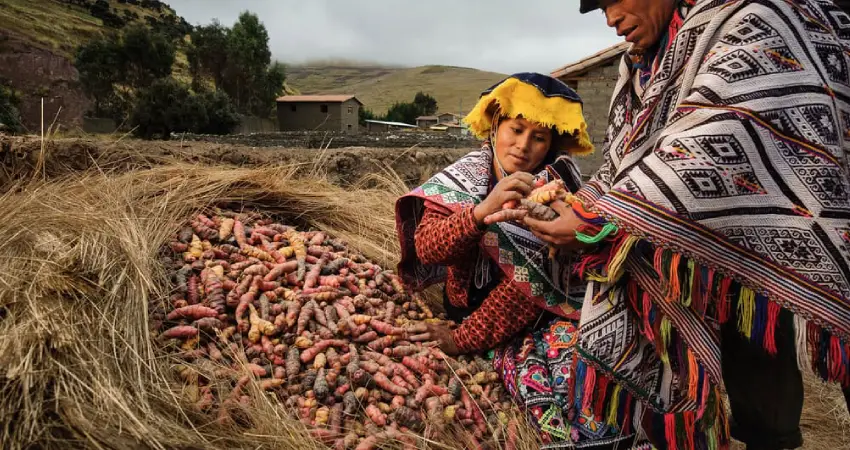
The first and most important thing you should understand is what Potato Park Peru is all about. This place is primarily recognized as an interpretation center or living museum that prioritizes the care and preservation of bioculture. Located in the Andean region, very close to the city of Cusco within the Sacred Valley of the Incas, it mainly seeks to preserve the genetic diversity of this tuber, along with the ancestral knowledge that has been passed down through generations in this part of the world.
This is achieved primarily through interaction with various Quechua communities, where thousands of varieties of this highly valued tuber have been documented. These varieties have been cultivated for hundreds of years, making it a powerful symbol of preservation that demonstrates the integration of nature, culture, and tradition. It’s important to understand that Perú potato park is not considered a tourist attraction; rather, it’s an interpretation center that showcases a lifestyle focused on respecting Mother Earth, as well as promoting sustainable activities such as agriculture and cultural identity.
Potato Park Peru can also be considered a natural research laboratory, where ancient and traditional agricultural practices are preserved through various ceremonies and an adapted agricultural system designed for high-altitude environments. It’s important to understand that in this part of the world, the potato is not merely an ingredient or food; it represents a direct cultural and spiritual connection, as it is linked to the Andean worldview and demonstrates the connection between diverse Andean populations and Mother Earth.
2.- Location
Potato Park Peru is located within the Sacred Valley of the Incas, just over 30 minutes from the city of Cusco. This makes it an easily accessible and convenient destination that complements the experiences offered by the region’s main tourist attractions. Due to its location, the geography is similar to that of high Andean zones, as it sits at over 3000 meters above sea level, resulting in a climate that ranges from temperate to cold, with sunny days and cool nights, creating an ideal environment for cultivation. Furthermore, thanks to integrated conservation projects, a large area surrounding Potato Park Sacred Valley has been established. This area encompasses not only research facilities but also cultivated fields and various pastures for livestock, contributing to the diversity of Andean ecosystems and creating a unique blend of two mountain landscapes.
| “Every journey starts with a single step.” |
3.- THE INCREDIBLE DIVERSITY OF PERUVIAN POTATOES
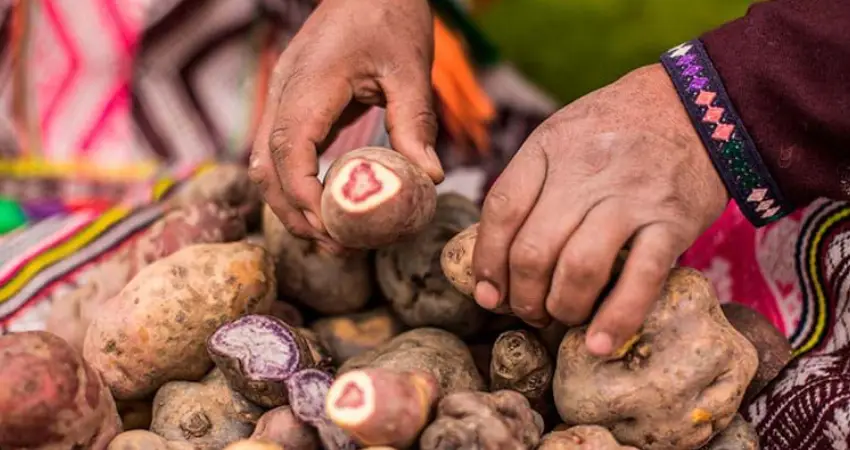
The Potato Park Peru is very important within the Peruvian context, as this place is recognized by many as the birthplace of this resource. Through a vast and complex system of platforms and terraces, a unique diversity has been preserved, one not easily found elsewhere in the world. For this reason, centralized interpretive centers like the Potato Park Sacred Valley, which seek to preserve its importance, aim to safeguard thousands of native varieties so they can be cultivated traditionally throughout history and into the future. This showcases a rich heritage of tradition and also reflects the possibility of adapting food to a much more challenging climate, such as that found in the Peruvian Andes. Thus, within the Perú potato park, we can appreciate the infinite variation in color, shape, flavor, and uses of potatoes, making them a complete cultural heritage linked to gastronomy.
3.1.- Characteristics of the Potato
One of the main factors that differentiates the existing varieties is their color. Peruvian potatoes generally exhibit a wide diversity, encompassing the entire color spectrum, from the skin to the flesh. This is not only a visual aspect but is also directly related to some of the nutritional properties they provide, in addition to imparting unique and special flavors. The most commonly recognized colors are purple, red, yellow, blue, white, and pink.
It should also be noted that potatoes have a wide variation in shape, ranging from round and elongated to twisted and even tiny. Each of these shapes demonstrates the diverse adaptations the seed has undergone up to harvest time. They can even be resistant to adverse and extremely challenging climates. Furthermore, the location and altitude at which they are grown must also be considered.
We can also highlight the clear difference in texture between each potato variety. When used in cooking, a distinct difference in texture is noticeable, ranging from waxy to floury, and finally, creamy. Each variety is used differently for unique preparations, contributing significant flavor and texture to the dish.
3.2.- Well-known potato varieties:
- Huayro potato
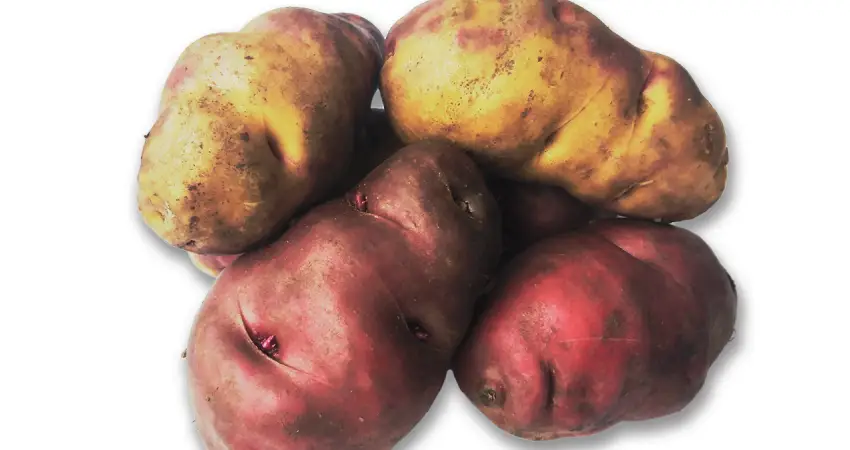
This is undoubtedly the most popular variety, easily found at Potato Park Peru and in nearby artisan markets and for home use. It is considered one of the most widely used due to its intense flavor and firm texture, which contributes to the taste of Andean cuisine.
- Peruanita potato
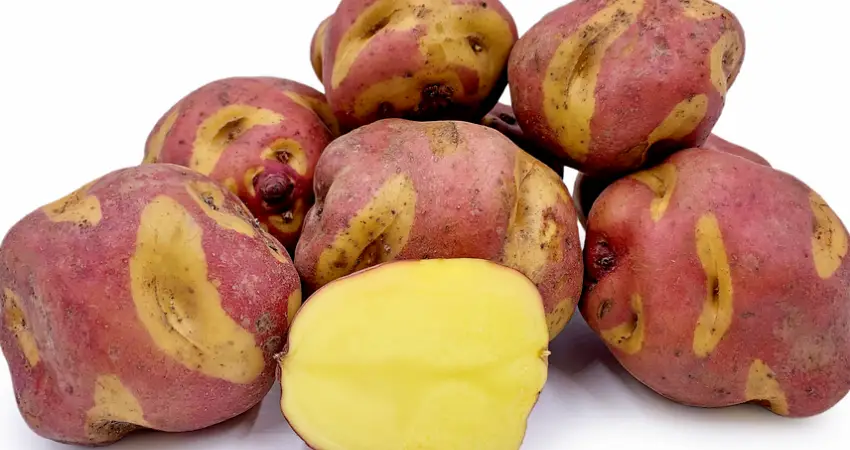
One of the most widely used and produced varieties at Potato Park Peru, it is primarily recognized for its mottled skin, but its intense yellow flesh is particularly striking. It is generally used in fried dishes.
- Yellow Potato
This unique potato variety is primarily known for its use in soups. Its creamy texture provides a flavor and consistency ideal for these dishes. It is generally easy to find in local markets and for home use.

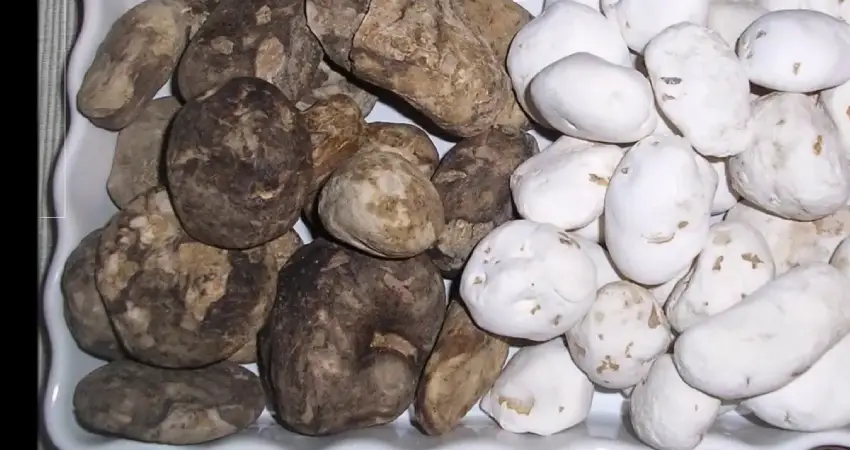
- Chuño and Moraya
These products are derived from conventional potatoes, typically using the variety known as bitter potato. To obtain these products, the potatoes must first be freeze-dried through natural processes involving freezing and dehydration. This practice is one of the oldest recorded in the region, as it is known that even the Incas and earlier cultures practiced it.
4.- VISITING POTATO PARK: WHAT TO EXPECT
During 2026, you have the opportunity to visit and explore Potato Park Peru. This means enjoying a truly authentic experience directly linked to cultural tourism, allowing you to discover more about the Andean region and all its wonders. In fact, in many ways, Potato Park Peru isn’t just a tourist destination; it can be seen as a living territory where numerous Quechua communities seek to safeguard and protect a legacy that has been part of their culture and tradition for generations, through a symbolic tuber and the knowledge behind its cultivation. In this way, each traveler has the opportunity not only to observe but also to actively participate within the community, experiencing its lifestyle and natural environment, learning about agriculture and the importance of respecting nature through a connection with Mother Earth.
4.1.- Philosophy and Approach
Potato Park Sacred Valley operates under an integrated system focused on community-based tourism. This means that visitors have the opportunity to interact directly with local communities who manage the experience, ensuring an authentic experience and maintaining complete control over the area’s tourism development. For this reason, activities are designed with a sustainable approach and vision, prioritizing connection and respect for Mother Earth and the use of traditional techniques directly linked to the lifestyle of Andean communities.
All income generated directly at Potato Park Peru is distributed to the families participating in this project, fostering economic development and strengthening while simultaneously supporting the preservation of the natural environment and culture, and promoting ancestral knowledge so that it can be perpetuated for many generations to come.
4.2.- Available Experiences for Travelers
There are many ways to enjoy your visit to Potato Park Peru. The traditional one-day tour is primarily for travelers with limited time, allowing them to discover more about the park’s vastness by visiting the fields, research centers, and cultural spaces. Some basic agricultural activities are also available. For travelers with more time, a cultural immersion experience is offered, allowing them to stay in and share the homes of local families. This provides a more complete experience, sharing stories, food, traditions, and culture. This type of experience involves planning over several days but allows you to immerse yourself in the daily lives of the local people, learning more about their extensive and ancestral agricultural practices, which are intertwined with other elements such as gastronomy and ceremonies.
4.3.- Main Activities
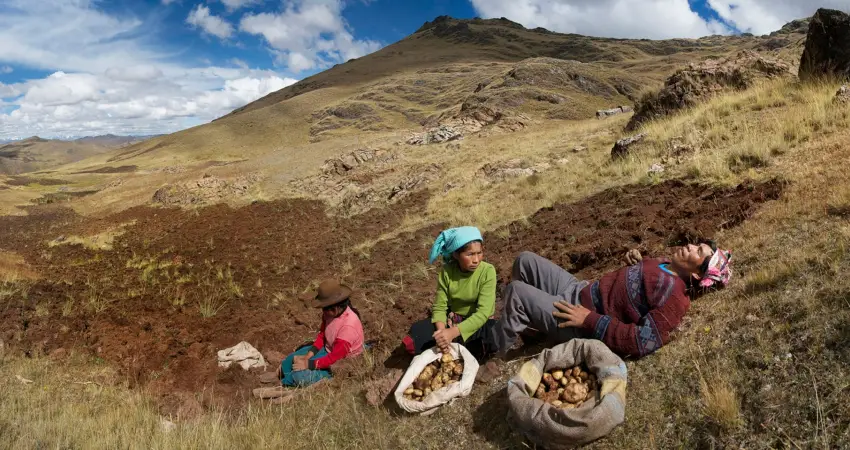
Generally, when visiting Potato Park Peru, the first experience for travelers is enjoying a tour through the extensive agricultural fields where potatoes are cultivated. In some cases, visitors can participate in the harvest, also known as potato picking. For this, local people, members of Andean communities, teach various ancestral techniques passed down through generations to ensure the potato crop adapts well to the altitude and challenging climate of the Andes. Once the potatoes are harvested, visitors have the opportunity to participate in a cooking class with local families, where they use different varieties of potatoes and other local products to prepare traditional and emblematic dishes.
Other cultural experiences are also offered, such as textile weaving workshops where master artisans share their knowledge of this ancient art form, expressing a variety of designs printed on textiles that hold diverse meanings. A short walk through plantations is also available, where you can discover a wide variety of medicinal plants. With local guides, you’ll have the opportunity to understand and interpret the traditional and ancestral uses of these products, which remain effective to this day. At certain times of the year, you can also participate in Andean ceremonies, which are typically intended as expressions of gratitude to Mother Earth through various traditional rituals, always emphasizing respect for the culture. Finally, you can participate in an educational program that explores the true importance of potato genetics and how, through adaptation, it has given rise to diverse varieties consumed worldwide.
5.- A TRADITIONAL TERRITORY
“Unlike conventional parks enclosed by walls or fences, this park is considered a living, safe space because it is directly managed by the surrounding Andean communities. This allows for closer protection of potato biodiversity.”

6.- FREQUENTLY ASKED QUESTIONS (FAQS)
- What is Potato Park in Peru?
This place is primarily recognized as a biocultural site dedicated to the preservation, research, and management of the diverse potato varieties, ensuring their survival through ancestral agricultural knowledge.
- Where is Potato Park located?
It is located within the Andean region, quite close to the city of Cusco, in the Sacred Valley. More specifically, it is situated within the district of Pisac, a traditional town in the Sacred Valley.
- How do I get to Potato Park from Cusco?
Getting here is quite simple. First, you need to arrange private transportation from Cusco. You can usually do this directly with your travel agency or through the InDriver app. The trip takes approximately 1 hour and 30 minutes.
- How much does it cost to visit Potato Park?
Prices vary depending on the season and service category. You can find options starting at $120.00 USD per person and up, considering the full package, which includes transportation, a professional guide, entrance fees, and on-site experiences.
- Can I do a day trip to Potato Park?
If possible, visit this place in just one day. This is the recommended amount of time to explore the extensive agricultural fields, experience the cultural activities, and participate in traditional practices.
- What is a homestay like in Potato Park?
This is an immersive cultural experience. Accommodations are in family homes, so they are simple places where the focus is on the experience. You’ll also share intimate moments with the families, including meals, traditional activities, and even stories told to them.
- When is the best time to visit Potato Park?
The dry season, between May and October, is highly recommended. During this time, the weather is much more stable and pleasant, perfect for enjoying the trails and paths in the surrounding area. The weather is also much more stable and enjoyable, with fewer sudden rain showers.
- How many potato varieties are in Potato Park?
It is currently estimated that there are over 3000 varieties of native potatoes, a number that has been steadily increasing due to the ongoing diversification of seeds and genetics within the park.
- Do I need a guide to visit Potato Park?
Having a professional guide is highly recommended to fully appreciate the experience. A local guide will help you better understand the interpretation and purpose of each step in the process within the park.
Now you know the essential information about this iconic location in the Sacred Valley. Auri Peru offers you the opportunity to fully enjoy this destination without having to worry about anything. Contact us now, and we’ll be happy to design a personalized adventure for you.
“To travel is to discover that everyone is wrong about other countries.”