

1.- WHAT IS PISCO SOUR DAY AND WHY IT MATTERS
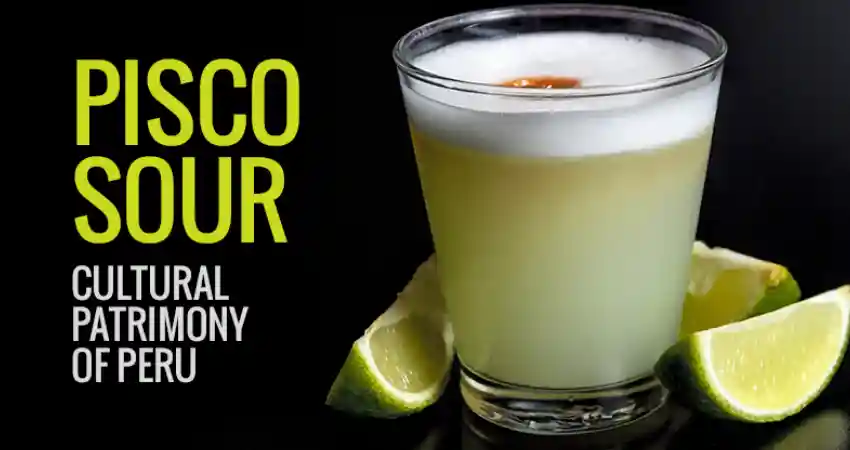
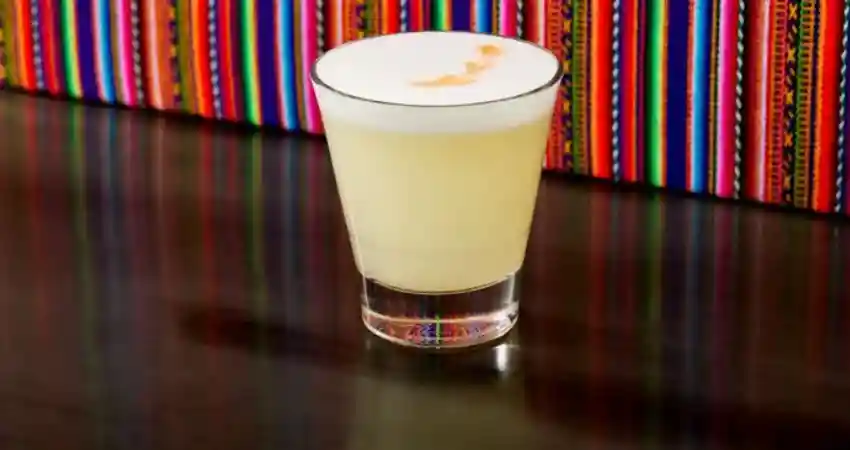
Pisco Sour Day is considered one of the festivities that are part of Peru’s cultural identity. This is a special day dedicated to celebrating one of the most representative cocktails in its culinary art: the Pisco Sour. This celebration is a date that many travelers seek to discover due to its transcendental importance to Peru. However, many people frequently ask, “When is Pisco Sour Day?. Pisco Sour Day 2025 was celebrated on the first Saturday of February and is repeated regularly every year with the intention of highlighting its cultural value. It is also one of the country’s most important economic and tourism assets. It is also an opportune time to share more details about the creativity and diversity of flavors that exist in Peru. Contrary to what many people consider emblematic, this moment is also a demonstration of Peruvian identity, identified as a liquid heritage recognized worldwide.
2.- When is Pisco Sour Day and its importance?
This celebration traditionally takes place on the first Saturday of February, but this date is more than just a coincidence, as it was officially established by a decree and has since become a defining event thanks to the participation of locals as well as world travelers who come to the main pisco–producing regions. This date also coincides with a fairly accessible time for locals and world travelers to participate, also benefiting other similar commercial sectors, such as bars, restaurants, hotels, and even local municipalities, which support special activities held during this season, such as pisco tastings, promotions, and even festivals.
3.- Cultural Impact
National Pisco Sour Day has been one of the most symbolic contributions the Peruvian state has made to the very identity of its people, as this drink has been culturally recognized both within Peru and abroad thanks to the presence of gastronomic fairs worldwide. Each chef directly receives support from professional bartenders, who have successfully reinterpreted the flavors to enhance them and make them a part of international competitions. Traditionally, this preparation combines the citrus fruit from lemon juice, gum syrup, and egg white, with Peruvian pisco as the main ingredient. It is then finished with Angostura bitters, creating one of the most important fusions containing traditional local ingredients. According to Peruvian identity, this drink is consumed primarily at celebrations, moments of sophistication, and even at hospital ceremonies.
4.- HISTORY OF THE PISCO SOUR
The origin of this drink dates back to the entire country’s history. In fact, Pisco Sour Day is also associated with its very creation, which dates back to 1920 with the contribution of professional bartender Victor Morris, an American who eventually settled in Lima and founded one of the most famous bars known to this day: the Morris Bar. Morris initially used this technique to create a whiskey sour, later replacing it with pisco, which was used to perfect the recipe. As time went on, its popularity reached the palates of thousands of locals as well as various travelers from around the world, quickly becoming a favorite drink in the Peruvian capital and then throughout the country. The evolution of its flavor is a clear example of the ingenuity and talent hidden behind Peruvian knowledge.
5.- THE PERFECT PISCO SOUR RECIPE AND INGREDIENTS
National Pisco Sour Day is also a signature celebration in Peru. This is a drink that perfectly balances elegance and tradition in a finely served glass to delight any palate. Of course, this cocktail requires precision, a good pisco, and technique in its preparation.
5.1.- Traditional recipe
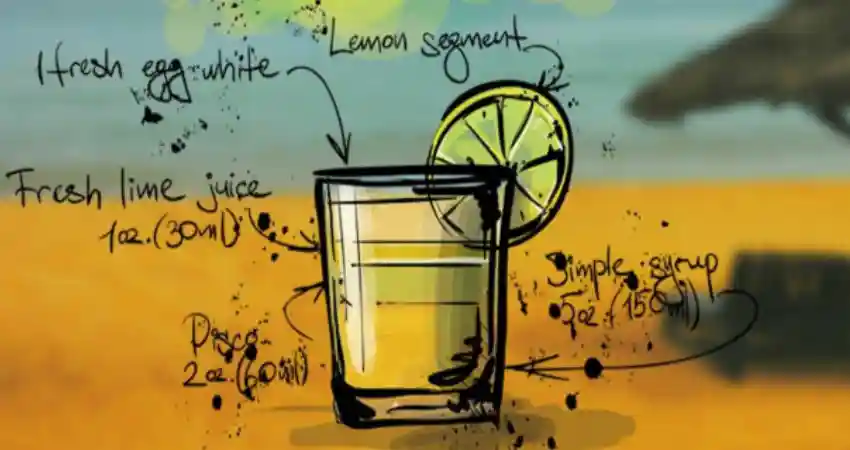
Historically, the pisco sour recipe is a cultural heritage that has transcended civilizations, as it is based on a balanced preparation of pisco flavors and body. It is regularly measured in ounces, the official measure of Peruvian cocktails:
- 3 ounces of pisco (it is recommended to use quebranta)
- 1 ounce of lemon juice
- 3/4 ounce of simple syrup
- 1 egg white
- 3 drops of Angostura bitters
- 4 ice cubes
5.2.- Step-by-step preparation
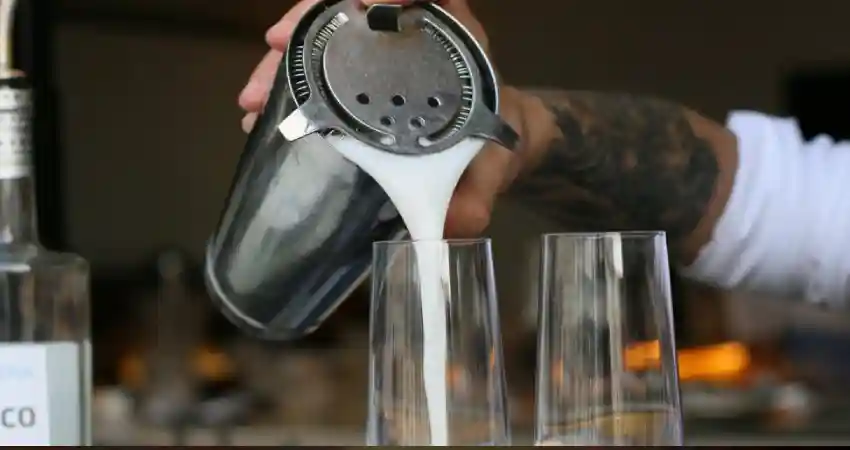
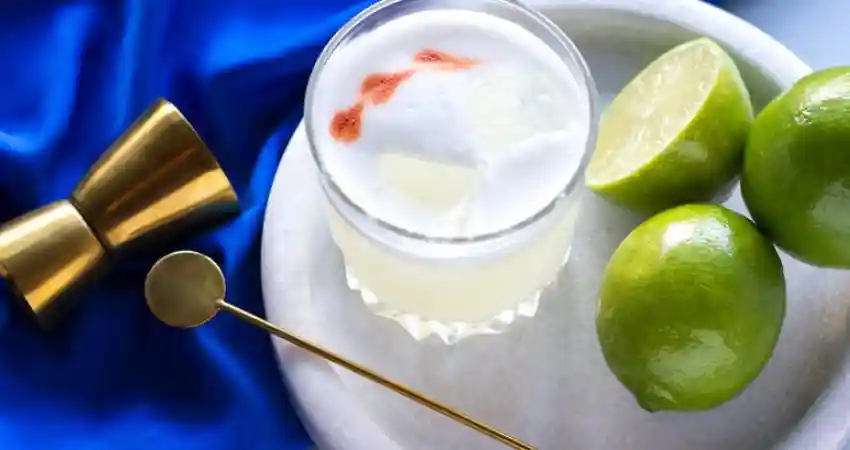
- The first step is to gather all the ingredients in a cocktail shaker, also known as a shaker, omitting the ice and the drops of Angostura bitters. This is the secret behind this traditional recipe, as vigorous shaking for 10 or 15 seconds effectively emulsifies the egg, achieving the desired foamy, firm, and smooth consistency.
- Once this consistency is achieved, ice cubes are added and shaken for another 10 to 15 seconds. This repetitive process allows the cocktail to cool, creating a dilution necessary to mellow the flavors of the ingredients.
- A glass or cup that has been previously chilled with ice cubes is used. A sour or coupette type can be used to pour the entire contents of the shaker. A strainer is used to prevent any foreign matter from falling into the glass. Once the mixture is completely combined, three drops of Angostura bitters are added to add a subtle aroma and for garnish.
| “To travel is to live.” |
5.3.- Information about Pisco
As the star of this emblematic Peruvian drink, it is important to understand that there are different types of pisco, each providing a distinct flavor and body, which is useful for creating different variations of this cocktail.
- Pisco Quebranta is also known as the most traditional version of this drink. It is made primarily with non-aromatic grapes, so within the classic recipe, it is the most requested, and even during National Pisco Sour Day, it takes center stage. Thanks to its neutral profile yet structured body, it achieves an appropriate balance of acidity and sweetness without the aromas interfering.
- Pisco Italia is classified as the aromatic alternative, as it possesses floral and fruity notes, lending greater complexity to the cocktail’s flavors. It is appropriate for diners who desire a more fragrant and expressive version.
- Pisco Torontel is characterized primarily by a much more intense aroma similar to jasmine, honey, and tropical fruits, providing a more fragrant and delicate flavor. It is recommended primarily for palates looking to be surprised by the flavors.
6.- HOW PISCO SOUR DAY IS CELEBRATED IN PERU
This celebration is considered one of the most important national holidays within the Peruvian identity, as it extends throughout each region, seeking to pay tribute to this drink, also considered Peru’s flagship cocktail. It not only focuses on highlighting the flavor and tradition of the pisco sour, but also serves as a time to strengthen cultural pride and promote the wine industry nationwide. Therefore, numerous activities take place in various parts of the country, from gastronomic festivals to other competitions and craft fairs.
6.1.- National Celebrations and Events
One of the main celebrations takes place in Lima’s historic center. The festivities begin in the main square with musical performances, traditional dances, live cocktail-making demonstrations, and free tastings. Many participants can enjoy freshly prepared pisco sours served by renowned bartenders, while the history of their production throughout time is recounted.
Likewise, there is a celebration inside the Hotel Maury, also known as the birthplace of the pisco sour, making it one of the most emblematic venues for this celebration. Here, toasting ceremonies, historical displays, and themed tastings are held, all in homage to Victor Morris, the man who created the cocktail. This place also functions as a historical and cultural space, serving as a gathering place for entertaining experts, bartenders, and even enthusiasts looking to learn more about the historic experience and its sophisticated flavor.
6.2.- Activities in other regions
This celebration extends to regions outside the capital, primarily in cities known as pisco producers. Among them Ica, Arequipa, Moquegua, and Tacna are the main ones. Due to their traditional style, these festivities are distinctive, including regional fairs, winemaking competitions, guided tours of wineries and vineyards, themed parades, and even artistic presentations, which have progressively improved and grown over the years. These celebrations primarily take place in the main squares of each city, turning them into spacious venues where pisco consumption is promoted and local tourism is sought to improve. Therefore, it is normal to see that many commercial centers, such as bars, restaurants, and even hotels, can generate income thanks to the promotions they offer related to Pisco Sour Day.
7.- BEST PLACES TO CELEBRATE PISCO SOUR DAY IN PERU
Throughout the country, there are many places where you can enjoy and delight your palate with this delicious drink. However, there are some transcendental and historic locations, also known as unique places where you can experience this experience in a more historical way.
7.1.- Historical Places
- In the historic center of Lima is the Maury Hotel, known as the original house and the place where the Pisco Sour was first created. During celebrations for this drink, the hotel frequently offers pisco tastings, tributes, and even several cocktails prepared with Víctor Morris’s original recipe.
- You also have the opportunity to choose the grand Bolívar Hotel, which is quite popular for its gigantic Pisco Sours. Its history is linked to illustrious figures and important people, making this elegant hotel a special place when it comes to delighting your palate with a Pisco Sour.
- A bit off the beaten path, you can also visit the Country Club Lima hotel, located in the San Isidro neighborhood. Its comfort and perfect combination of luxury and tradition are highlighted here. The English-style bar offers traditional and reinterpreted versions of the Pisco Sour.
7.2.- Modern Bars
- The Central Bar and Restaurant has been selected as one of the best in the world and is led by renowned chef Virgilio Martínez. This place also features an innovative cocktail bar that has reinterpreted the meaning and flavor of the Pisco Sour using native ingredients.
- In the Barranco neighborhood, there is also a collection of modern bars that offer signature cocktails, but the bohemian atmosphere in which they are presented stands out. It’s like a journey back in time where, thanks to the presence of pisco, Amazonian and Andean flavors Among the main bars are Ayahuasca, Pisqu, and Bar Victoria.
- The same thing happens in the Miraflores neighborhood, where you can visit bars like Carnal, Huaringas, and even Maido, which are perfect options when it comes to enjoying this drink.
8.- PRESIDENTIAL DECLARATION
“In 2004, the Peruvian government made a statement that would change the course of history. It was at this moment that Pisco Sour Day was officially declared a celebration that immediately became a national concern thanks to a ministerial resolution, thus recognizing the importance of this beverage within Peruvian culture.”
9.- FAQs FOR PISCO SOUR DAY
- When is Pisco Sour Day in Peru?
This celebration takes place on the first Saturday of February each year. This important date originated in 2004 as a way to pay tribute to the wide variety of flavors that are representative of Peru and to promote national identity.
- What is the history behind Pisco Sour Day?
The celebration of this day originated primarily as a cultural initiative seeking to highlight this traditional beverage and raise awareness of its historical importance. Since 2004, the Peruvian Ministry of Production declared it a national holiday to promote it nationally and internationally.
- Where was the Pisco Sour cocktail invented?
It was created in Lima in 1920 by American bartender Victor Morris, who was inspired by the preparation of a Whiskey Sour, but replaced the drink with Peruvian pisco.
- What is the traditional Pisco Sour recipe?
Its traditional preparation consists of adding 3 ounces of your choice of pisco, 1 ounce of lemon juice, 3/4 of an ounce of simple syrup, and 1 egg white to a cocktail shaker. Shake vigorously for 10 to 15 seconds. Then, add a few ice cubes to chill the drink. Finally, pour it into a previously chilled glass or cup using a strainer. Finally, add three drops of Angostura bitters for aroma and garnish.
- What type of Pisco is best for Pisco Sour?
The best alternative is undoubtedly always a pisco quebranta, as it is a type of pisco with a neutral flavor that has a robust body and perfectly integrates the rest of the ingredients. When using other versions such as Italia or Torontel, keep in mind that these have a greater presence of aroma, which can result in a more intense flavor.
You already know all about this celebration, so it’s a good time to plan your visit during this season in 2026. Auri Peru can design a personalized adventure just for you, including a special visit to one of the historic sites or one of the pisco capitals. Contact us now and discover everything we can do for you.
“Get out of your comfort zone and into the unknown.”