

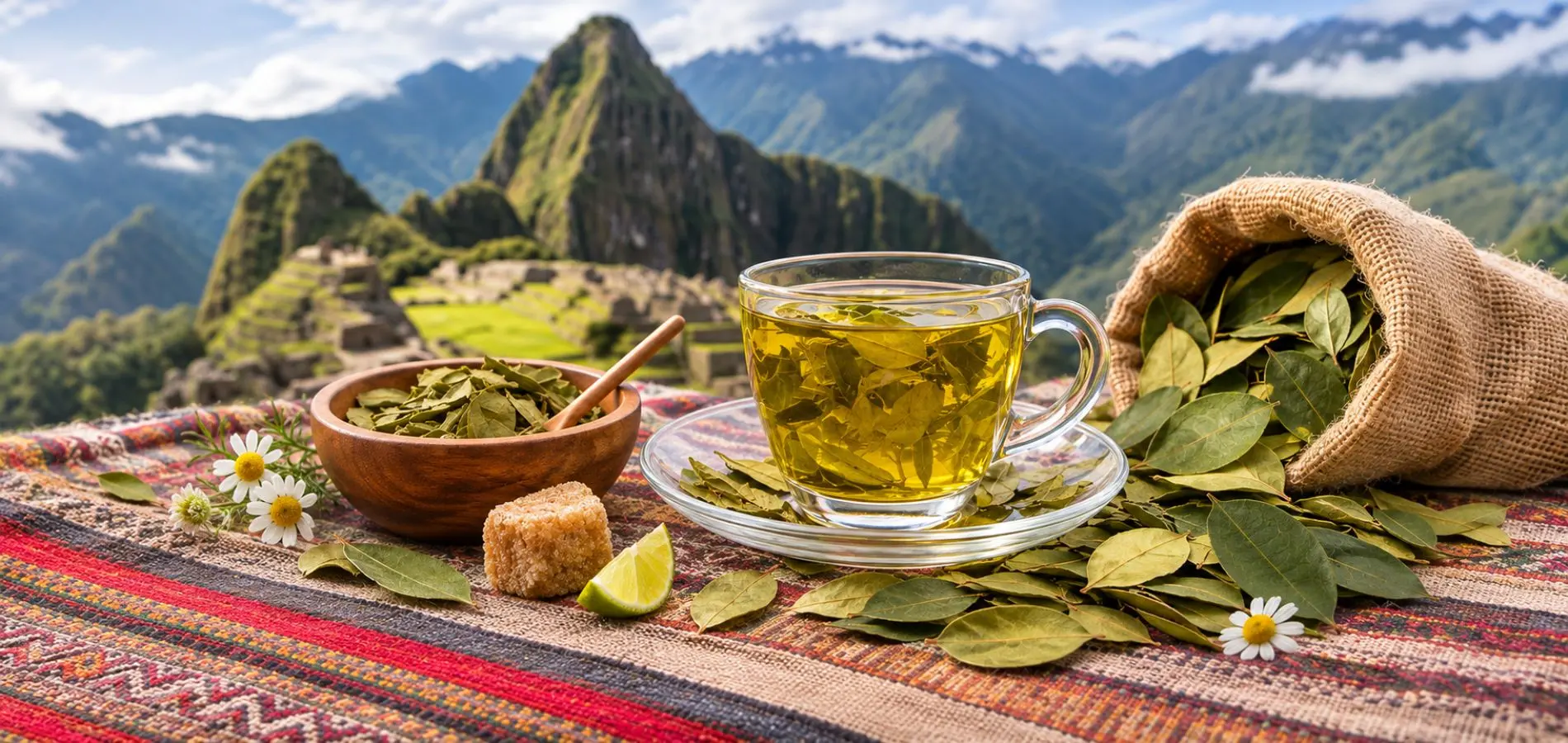
What Is Peruvian Tea?
Order a tea in Peru and you may be asked whether you want té or mate. The first often refers to black or green tea, made from the leaves of Camellia sinensis. Mate usually means an infusion of herbs or flowers. In practice, the terms overlap, so it helps to know the name of the drink you want.
Peruvian tea encompasses both traditions. The country grows tea in the warmer valleys of Cusco, while herbal infusions are familiar throughout the Andes and in coastal cities. Some contain plants that international travelers already know, such as chamomile or anise. Others, including muña, have a particularly close association with the Andean landscape.
The Most Popular Types of Peruvian Herbal Tea
Not sure what to order? These seven drinks give you a good starting point. Some are mild enough to accompany breakfast; others have a stronger taste that may take a little getting used to.
Muña (Andean Mint Tea)
Muña is one of the herbs worth trying when you visit Cusco or the Sacred Valley. Its scent is reminiscent of mint, but the flavor has a more pronounced wild-herb character. If you normally enjoy peppermint tea, this is a good place to start. Our guide to traditional muña tea explains the plant and its place in Andean life in more detail.
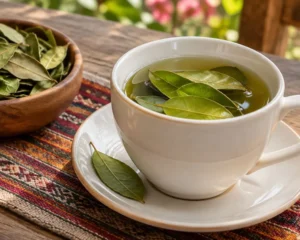
Coca Tea (Mate de Coca)
Made from coca leaves, this pale infusion has a grassy, slightly bitter taste. It is a familiar sight at hotels in the Peruvian Andes, where guests may be offered a cup upon arrival. Coca products are subject to restrictions in many countries, so read our dedicated guide to coca tea in Peru if you would like to understand this particular drink better.
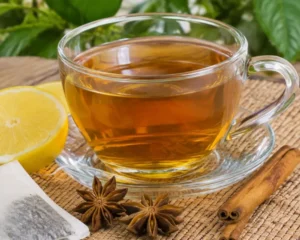
Anise Tea (Mate de Anís)
There is a gentle sweetness to anise that comes through even without sugar. Its licorice-like aroma makes it a pleasant drink after a substantial lunch. If the bitterness of some herbal infusions puts you off, mate de anís is a softer alternative.
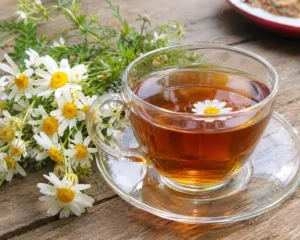
Chamomile Tea (Manzanilla)
Manzanilla will be familiar if you drink chamomile at home. It has a delicate floral fragrance and a mild flavor, making it a comfortable choice when you want something warm but not particularly strong. You will often find it among the tea bags offered at breakfast.
Lemongrass Tea (Hierba Luisa)
Ask for hierba luisa if you enjoy fresh citrus aromas. The fragrance is lemony without the sharp acidity of lemon juice. It makes a light, aromatic infusion and is a good option if you prefer something less earthy than the highland herbs.
Boldo Tea
Boldo is an acquired taste. Its assertive, bitter flavor stands out among milder infusions, and it sometimes appears in herbal blends. It is worth asking whether the drink contains boldo alone or a mixture of plants, especially if you are trying it for the first time.
Emoliente — Peru’s Traditional Herbal Drink
Unlike a clear herbal tea, emoliente has a fuller texture from ingredients such as barley and flaxseed. Herbs, lime and sugar are often added, depending on the vendor’s recipe. It is especially enjoyable when served warm on a cool evening. Although it is not tea in the strict sense, emoliente belongs in any discussion of Peru’s everyday drinks.
Peruvian Teas at a Glance: Choosing Your First Cup
If you prefer familiar flavors, start with manzanilla or anise before exploring the more distinctive Andean herbs. Someone who drinks mint tea at home might naturally gravitate toward muña. If you would rather try something quite unlike a conventional cup of tea, order emoliente.
Menus may simply say mate mixto, meaning a mixture of herbs. Ask ¿Qué hierbas tiene? (What herbs are in it?) if you are curious about the ingredients. You can also request sin azúcar to taste the infusion without added sugar. These two expressions are especially useful when ordering from a small restaurant or market stall.
The Culture and Traditions of Tea in Peru
In Peru, the custom of sharing a hot drink is rarely about ceremony. It is more often woven into the day: a cup at breakfast, an infusion after lunch or something warm during a conversation. The setting tells you as much about the tradition as the ingredients do.
Herbal Infusions in Andean Culture
Herbs form part of the everyday knowledge of many Andean families. What people grow, gather or buy at the market depends on the region, and the plants familiar to one household may be different from those used by another. During a visit to a highland community, asking your hosts about the herbs they use is a good way to learn about their particular traditions rather than assuming that all Andean communities share the same customs.
Tea and Hospitality in Peru
A cup of mate offered by a host is a small gesture of welcome. On the coast, the custom takes a different form: emoliente vendors serve customers heading to work in the morning or returning home in the evening. Both are examples of how a simple drink fits into the daily life of the country, well beyond the dining rooms of its famous restaurants.
What Does Peruvian Tea Taste Like?
Even when the same herb is used, the flavor can change considerably. A freshly brewed infusion of whole leaves can be more aromatic than one made from a finely cut tea bag. A longer steep may bring out bitterness, while fresh leaves can give the drink a brighter aroma.
Think about what you are eating, too. After a rich plate of lomo saltado, an unsweetened, light herbal drink can be a welcome contrast. With a sweet pastry, a gently aromatic infusion may work better than another sugary beverage. Emoliente is different: its body, sweetness and acidity are already part of the recipe, so taste it before asking for more lime or sugar.
Where to Try Traditional Tea in Peru
You can discover many of these drinks without arranging a formal tasting. Make room for them during the meals and market visits that already form part of your trip.
Cusco and the Sacred Valley
San Pedro Market is a useful place to become familiar with local ingredients. Walk through the stalls and look for dried herbs, then ask the vendors what they are called and how people usually drink them. The market in Pisac is another place to explore if you are staying in the Sacred Valley. For a more leisurely introduction, order an infusion with lunch or ask your hotel which local teas it serves.
Lima and Its Traditional Emoliente
Look out for emoliente carts in the morning or toward the end of the day. It is a drink associated with ordinary life in the capital, quite different from a tasting menu at a fine-dining restaurant. Recipes vary, and watching a vendor mix the ingredients can be part of the experience. Choose a freshly prepared drink from a vendor with clean equipment and safe water.
Puno and the Andean Highlands
If your itinerary around Lake Titicaca includes a community visit or a stay with local hosts on Amantaní, ask what they like to drink with meals. A cup of mate can lead to an interesting conversation about local ingredients, without turning the visit into a formal demonstration. Availability depends on the household and the season.
Beyond the Highlands: Peru’s Tea-Growing Valleys
Few visitors associate Cusco with actual tea plantations. Yet in Huayopata, in the warmer La Convención province, the Huyro agricultural cooperative has developed processing facilities for tea. Peru’s Ministry of Agrarian Development and Irrigation documents investment in facilities for black and green tea. If you are interested in agricultural traditions, this is a different side of Cusco worth learning about. Arrange any farm visit in advance, as plantations are working properties rather than guaranteed tourist attractions.
How Peruvian Herbal Tea Is Traditionally Served
In a restaurant, mate is generally a simple drink served in a cup, sometimes with sugar on the side. At hotel breakfasts, you may instead find a selection of tea bags and hot water. Homemade infusions can be served with the leaves in the cup or strained before drinking. There is no need to follow a prescribed ritual. If you are unsure what is being served, ask your host about the ingredients and take your cue from the people around you.
Where to Buy Tea from Peru
Supermarkets and specialty food shops are convenient if you want packaged Peruvian herbal tea to take home. Traditional markets offer loose herbs, which are interesting to explore while you are in the country. If you specifically want tea grown in Peru, rather than an imported tea packaged locally, look for a named growing region or producer on the label.
Check that the packaging is intact and that the ingredients, producer and expiration date are identifiable. Keep the original label and receipt if you intend to travel internationally with the product. Customs requirements depend on the destination and the plant ingredients. For example, the USDA’s guidance for travelers requires agricultural products to be declared when entering the United States. Some ingredients may be restricted, and a sealed package does not guarantee admission.
Things to Know Before Drinking Peruvian Herbal Teas
Pure chamomile and anise infusions are naturally caffeine-free, but black and green tea are not. A herbal blend can also contain caffeinated ingredients. Check the label or ask your server if caffeine is a concern, particularly when ordering an evening drink.
Natural ingredients are not automatically suitable for everyone. Certain herbs can interact with medication, as explained by the National Center for Complementary and Integrative Health. If you are pregnant, breastfeeding, taking medication or have relevant allergies, check unfamiliar herbs with a healthcare professional before trying them.
When traveling, favor drinks prepared with safe water and served hot. The CDC’s travel guidance identifies freshly boiled water as a generally safe option. Enjoy infusions for their flavor and cultural significance, not as a substitute for hydration or medical care.
Discover Peru Through Its Traditional Teas
Between visits to archaeological sites and journeys through the Andes, leave a little time for the simpler pleasures of Peru: a warm cup of mate after lunch, a conversation at a market or a taste of freshly prepared emoliente. These are the moments that bring a destination to life.
At Auri Peru, we design journeys around your interests, whether you are drawn to local food, history or the landscapes of the Andes. Explore our tailor-made Peru luxury tours and discover the country at a pace that leaves room for these experiences.