


1.- THE RICH HISTORY OF PERUVIAN SILVER
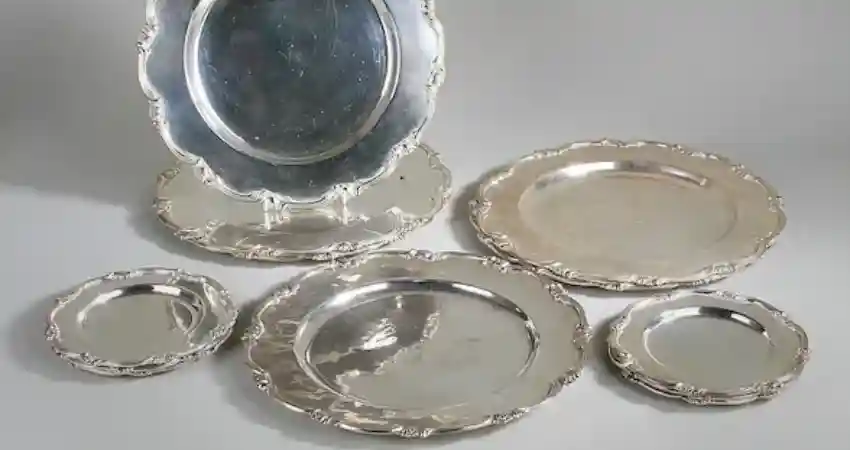
Behind Peru’s immense beauty lies a rich tradition and culture surrounding Peruvian silver, which originated among the first civilizations that settled and developed in this territory. These civilizations perfected the art of mining and also crafted Peruvian silver jewelry for ceremonial purposes, demonstrating superior metallurgical skills for centuries. Among the cultures that stood out for their handling of silver, the Wari culture developed in the 600s AD stands out, showing evidence that even before its development, there was already a form and technique of extraction as well as work on Peruvian silver. In the same way, other cultures also showed various varieties of traditional techniques that managed to transform this malleable metal into various elements which were mainly used for ceremonial and aesthetic purposes, aesthetic purposes, and also symbolizing social difference. It was common to see members of the nobility wearing Peruvian silver bracelets, as they were directly related to religious aspects and had a connection to the moon and the feminine world, as they were constantly part of spiritual practices. Some of the artisanal techniques used to work with Peruvian silver were embossing, hammering, and filigree, which were passed down through generations over time. Today, it is common to see multiple communities with artisans who have managed to keep this tradition alive.
2.- Colonial Era and Spanish Conquest
With the arrival of the Spanish in the 16th century, a reinterpretation of the exploitation of silver began. From 1630 onwards, expansion began in search of new sources of silver deposits. This transformed the viceroyalty that existed within Peru into one of the places with the highest silver production in the entire colonial world. The process of obtaining silver required mercury, so its extraction was also resorted to, which was found inside the Huancavelica mine, where Andean workers were exposed to harsh conditions due to the environment. All the silver that was extracted directly became part of world trade through the Manila galleon, which traveled the Atlantic routes and gradually began to fill the coffers of the Spanish kingdom and contributed significantly to the development of the global economic system. This represented an unprecedented increase in the exploitation and suffering of thousands of Andean people who were forced to work in extreme conditions, thus establishing the system known as Mita.
| “Travel—where the journey becomes the destination.” |
3.- Modern Mining and Contemporary Significance
Today, Peru is one of the world’s largest producers of silver, as it has several modern mining companies located in various regions such as Ancash, Puno, Las, and Cajamarca. All are part of national and international companies that have managed to systematize the extraction of Peruvian silver using advanced technology tools. However, various challenges of sustainability and social justice remain, as this activity has caused environmental and social imbalances. Nevertheless, it is important to understand that this activity represents a source of development and employment for many local communities, as it enables opportunities for social and economic improvement. To this day, it generates a controversial debate about its impact, but it is indisputable that Peruvian silver is still considered a symbol of identity, art, and resilience.
4.- UNDERSTANDING PERUVIAN SILVER QUALITY AND TYPES
It is normal for people who are knowledgeable about jewelry to wonder, Is Peruvian silver good quality?. In fact, silver is recognized for its high quality and for meeting high international standards, making it one of the main elements of Peruvian silver jewelry. Traditionally, 925 sterling silver is used in crafts and souvenirs, as it contains a composition of approximately 92.5% pure silver and an alloy of 7.5% other metals, usually copper, which helps improve strength and durability. To be able to identify and validate an authentic piece of silver, it is very important to look for the stamp discreetly engraved on the surface, which reads “925.” On the other hand, there are currently many artisans and silver producers who are certified because they use a traceability system, issuing certificates of origin and artisan registration. Another very important aspect that has also progressed greatly is that, thanks to the support of the Technological Institute of Production (ITP) and various entities that are part of the Peruvian government, the quality of this metal is regulated by imposing manufacturing standards that ensure the excellence of the product to be created.
It is also important to know that silver is not homogeneous and that there are very clear differences between the items created, which vary according to the region of origin. So when you ask yourself, Is Peruvian silver good quality?, It will always depend on where you get it. Some examples are the pieces of Peruvian silver jewelry that can be found in Puno, which are connected to more traditional craft techniques. However, in other places such as Cajamarca, it is on a larger scale. In the case of other places such as Ancash or Pasco, you can observe geochemical characteristics that also affect quality, ease of processing, and intensity. Many of these varieties are mainly due to the geographical diversity that exists in the country and the presence of various volcanic formations, which are established as deposits of various minerals, giving the silver a unique character. This is also associated with the decorative styles with which this metal is processed, creating jewelry that is valuable not only for the presence of the mineral but also for its cultural heritage.
5.- TRADITIONAL CRAFTSMANSHIP AND ARTISAN TECHNIQUES
There is a tradition of metalworking that has been passed down for generations for over 1,000 years. In many cases, these techniques were promoted by various pre-Columbian cultures such as the Moche, Nazca, and Incas, which were perfected over time and are kept alive in the artisan workshops that can be seen today in Andean villages. Many of these techniques, such as embossing, filigree, hammering, and even casting, are part of the techniques used by artisans, which have been passed down as knowledge for generations. Similarly, tools such as stone anvils, tube blowtorches, and clay molds have been adapted to modernity without losing their essence, allowing for adequate production without sacrificing their authenticity. On the other hand, master artisans play a very important role in the preservation of all these ancestral techniques, as they are the heirs to these creations and are considered cultural guardians who have managed to pass on this knowledge to various communities and even art schools.
Currently, many workshops have evolved and sought to combine tradition with innovation. In some cities such as Cusco, Ayacucho, and Lima, contemporary artisans have applied more modern techniques such as laser engraving and fine welding, allowing for a fusion of methods and techniques that have an ancestral legacy. This synthesis has resulted in unique pieces that maintain a symbolic and cultural character while creating an aesthetic that appeals to everyone. Similarly, various programs have been established to promote training for young people in the art of silversmithing, ensuring continuity in this craft and seeking not only to preserve the artisan heritage but also to generate opportunities for personal, economic, and sustainable development.
5.1.- Designs and symbols
The art of handling silverware is not considered only an aesthetic expression in fact it is considered as part of a symbolic language that has been recharged with the passage of time obtaining properties of history and being associated mostly with spirituality, thus creating traditional and representative objects as is the case of the Chakana, also known as Andean cross and represents a sacred symbol of connection between the earthly and spiritual world. Other designs that also inspire are the Quipus, a system of knots used to record information and when connected through a Peruvian Silver jewelry represents wisdom and communication. Other symbols constantly used are animals such as the condor, puma, snake, hummingbird and others which are interpreted as spiritual principles and as part of the balance within the Andean cosmovision.
Also here you can represent the sacred geometry as it has a very special bond within the creation of handmade jewelry, various geometric patterns such as circles representing infinity and the cycle of time are used in pendants, earrings, rings and even Peruvian Silver bracelets as part of the identity and eternity of the Andean cosmos, other designs that are part of Peruvian textiles are also reproduced inside the silver adding symmetrical lines, spirals and rhombus images which are loaded with spiritual content between art and cosmology which brings a cultural and spiritual value to each piece of silver.

6.- WHERE TO FIND AUTHENTIC PERUVIAN SILVER
6.1.- Lima: The Capital’s Silver District
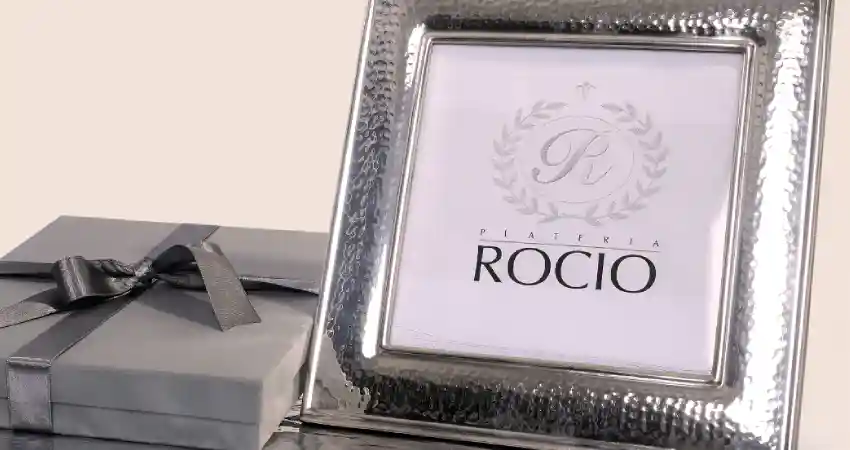
Finding authentic Peruvian silver jewelry is an exciting quest, as there are many places where it can be found. Among the main ones is Lima, considered the capital of the country, which has some of the main commercial centers where authentic silver is processed. Within the Miraflores neighborhood is La Paz Avenue, also known as the silver heart of the city, as it is home to various jewelry stores and artisan trade centers offering a wide range of high-quality pieces that come with a certificate of authenticity and designs inspired by Andean culture. Another great option is to visit the central market located on Abancay Avenue, where you can find more exclusive pieces at more affordable prices, ideal for travelers looking for a traditional souvenir. There are also recommended galleries such as Ilaria, Plateria Rocio and D’Mario Joyeros, which stand out for their combination of artisanal techniques and fine finishes.
6.2.- Cusco and the Sacred Valley
Known as the ancient capital of the Inca culture, this city has an extensive collection of silverware, which is why it is constantly visited by thousands of travelers from around the world who have the opportunity to purchase various pieces made from this metal, which has unparalleled cultural value. Within the city, it is possible to visit the San Blas neighborhood, which is quite popular due to the presence of various workshops where artisans create various pieces of jewelry and silverware and where you can appreciate the process of their creation. In many cases, you can schedule personalized visits to these workshops and participate in the production process, obtaining a certificate of authenticity that guarantees its quality. Similarly, traditional markets within the Sacred Valley, such as Pisac, Ollantaytambo, and Chinchero, offer various stalls and artisan shops that sell handmade silverware.

6.3.- Regional Craft Centers
Outside of the two cities mentioned above, there are other regions that are known for their extensive production of artisan-style silverware. Ayacucho is one of the most important due to its reputation for delicate filigree, an ancient technique that involves linking fine silver threads into ornamental patterns. Huancavelica is also noteworthy as one of the artisan communities that maintain traditional methods and offer unique products that reflect their identity and culture. There are also places that are less well known because the percentage of communities that contribute silver is limited, such as Apurimac and Huanuco.
7.- LEGACY AND ACHIEVEMENT
“Thanks to the continuity of this economic legacy, which has been forged over time and across generations, Peru is considered one of the top three countries in the world for silver production. In this way, it represents a cultural legacy that has also transcended time.”
8.- FREQUENTLY ASKED QUESTIONS
- What is the historical significance of silver in Peru?
This metal has played a very important role in the history of Peru, not only as part of the economic system, but also as one of the cultural and spiritual elements most deeply embedded in the culture. In pre-Columbian times, many cultures, such as the Moche and Wari, valued this metal for its connection to the moon and femininity.
- When did silver mining begin in Peru?
Its origins date back to pre-Columbian times, as some archaeological sites show that it was mined at least as early as 600 AD with the development of the Wari empire.
- How did the Spanish conquest affect Peruvian silver production?
Its presence completely transformed silver production in Peru at that time, with the establishment of forced labor known as Mita, which forced thousands of people to work in the mines under extreme conditions, changing from artisanal and symbolic to massive and commercial.
- What role did mercury play in Peruvian silver mining?
It was mainly used for silver extraction through the amalgamation process, which allowed silver to be separated from minerals, so during the colonial era, the mercury mines that existed in Huancavelica were also exploited.
To this day, silver is considered a sacred element that confers distinguished status. During your next trip, you could easily purchase a souvenir made from this valuable mineral. Auri Peru seeks to create authentic experiences for travelers and therefore strives to maintain sustainability standards while also supporting local artisans. Contact us and be part of a responsible journey.
“Life is short, but the world is wide.”