

1.- WHAT IS MACHU PICCHU CIRCUIT 3?
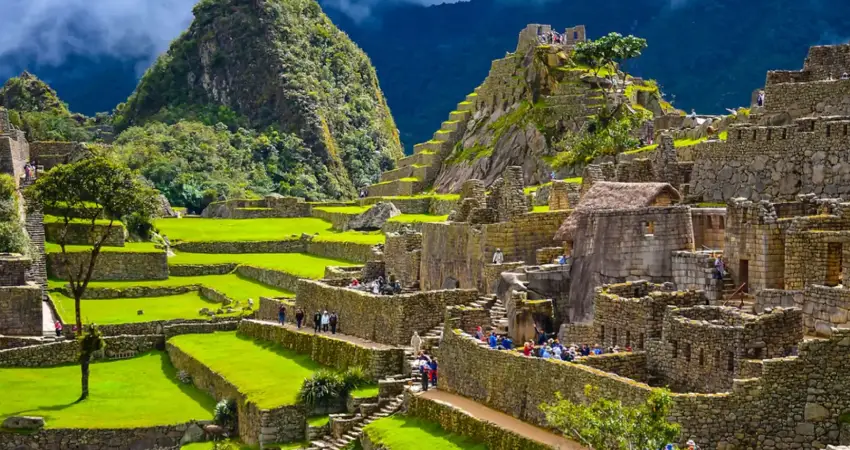
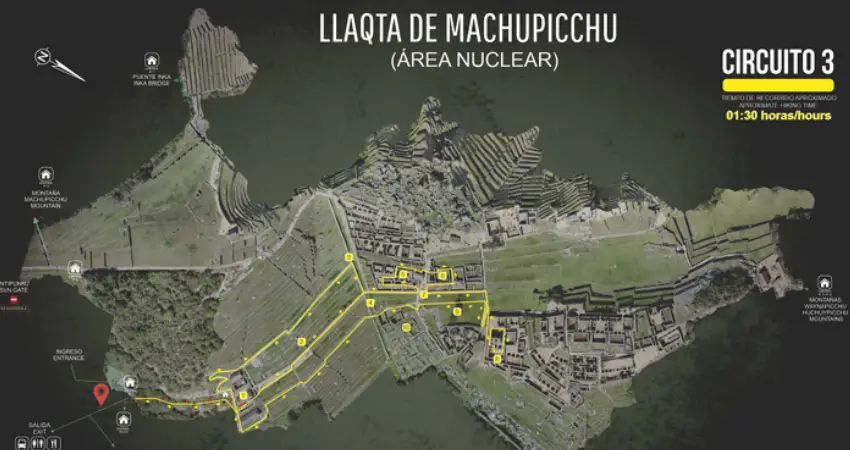
Circuit 3 Machu Picchu is one of the routes established by the Ministry of Culture, seeking to preserve the historic sanctuary of Machu Picchu. It was established primarily to balance the flow of travelers arriving each year to Inca city, allowing them to enjoy an immersion in the culture and history of the historic sites found today in the lower part of the citadel. Machu Picchu Circuit 3 is unique because it allows access to the main temples, precincts and sectors that have always been directly associated with the upper social class of Inca culture.
It is also known as the royal route or royal route, because Machu Picchu Circuit 3 follows a backward path through the urban area and the ceremonial area where the main temples were built, primarily oriented to the celebration of ceremonies by the Inca nobility. It has a clear difference with circuit one that only focuses its experience on the panoramic views from the top while this circuit seeks to immerse travelers in a deeper visit in the heart of the entire Machu Picchu sanctuary, in this way you get access to the emblematic places that are recognized as the main ones inside the citadel such as the house of the Inca, temple of the sun, sacred rock, main square and others.
| “Collect memories, not things.” |
2.- Sub‐routes of Circuit 3
The Machu Picchu Circuit 3 has four variants, also considered routes, from which you can choose, each one tailored to each traveler’s travel and activity preferences, as well as recommendations based on your physical condition. However, generally speaking, all variations begin at the bottom of the Citadel, giving you full access to all the important sites, such as temples and temples that reflect the urban life that existed during the Inca culture. This way, you can customize your experience, whether it’s an adventure or just a hassle-free tour.
2.1.- Route 3-A: Visit to Huayna Picchu
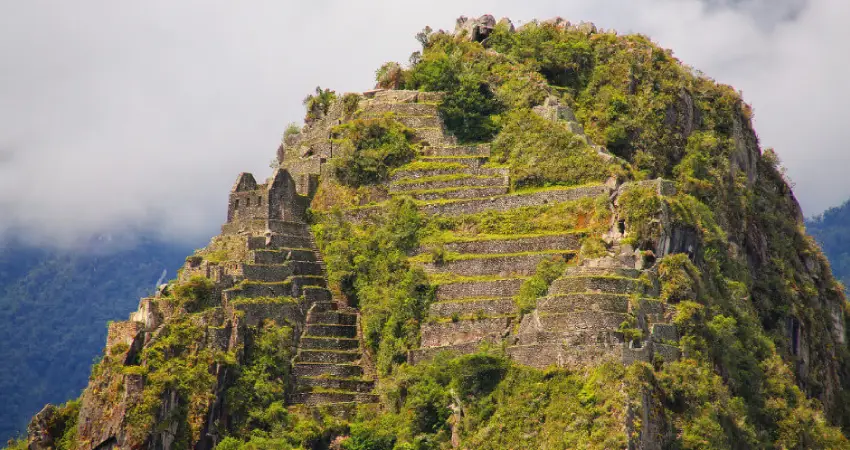
Among the Machu Picchu Circuit 3 tickets, this option is considered the most challenging and is primarily intended for travelers looking for an adrenaline rush during their visit. This popular mountain is located in front of the citadel and is characterized by a winding and steep path, which represents a great challenge for most travelers who choose it as part of their experience. To get here, you first walk through a portion of the lower section, where you can explore some of the enclosures and appreciate the open-air esplanades until you reach the popular area known as the Sacred Rock. This is where another checkpoint begins, where it is properly verified that Machu Picchu Circuit 3 corresponds to this route. The ascent then begins. It is estimated to take approximately 3 hours, adding to your visit time, to reach the summit and return in a timely manner. This route offers unique views of the immense citadel as well as the vast Urubamba Valley, which extends throughout the area. This route is available year-round; however, it is always recommended to do so during the dry season, which runs from May to October, as the low rainfall allows for firmer terrain, allowing for greater safety.
| Price | Foreigner | Peruvian | CAN countries |
| General | s/ 200.00 | s/ 112.00 | s/ 112.00 |
| Student | s/ 125.00 | s/ 80.00 | s/ 80.00 |
| Minor
(3-17 years old) |
s/ 118.00 | s/ 80.00 | s/ 80.00 |
2.2.- Route 3-B: “Royalty” Base Route
This is the standard tour you can enjoy during your experience in the Inca city by completing Machu Picchu Circuit 3. This experience allows you to explore the lower reaches of the citadel, including the urban area and ceremonial centers. This experience is suitable for travelers seeking a relaxing experience as it does not involve steep ascents to higher elevations. It is also perfect for family trips with older adults or young children. During the visit, you have the opportunity to directly appreciate important sites such as the Temple of the Sun, the Temple of the Condor, and the House of the Inca. However, please note that this option does not give you access to the upper reaches of the citadel, so you can only appreciate it from a distance.
| Price | Foreigner | Peruvian | CAN countries |
| General | s/ 152.00 | s/ 64.00 | s/ 64.00 |
| Student | s/ 77.00 | s/ 32.00 | s/ 32.00 |
| Minor
(3-17 years old) |
s/ 70.00 | s/ 32.00 | s/ 32.00 |
2.3.- Route 3-C: Visit to the Great Cavern / Temple of the Moon
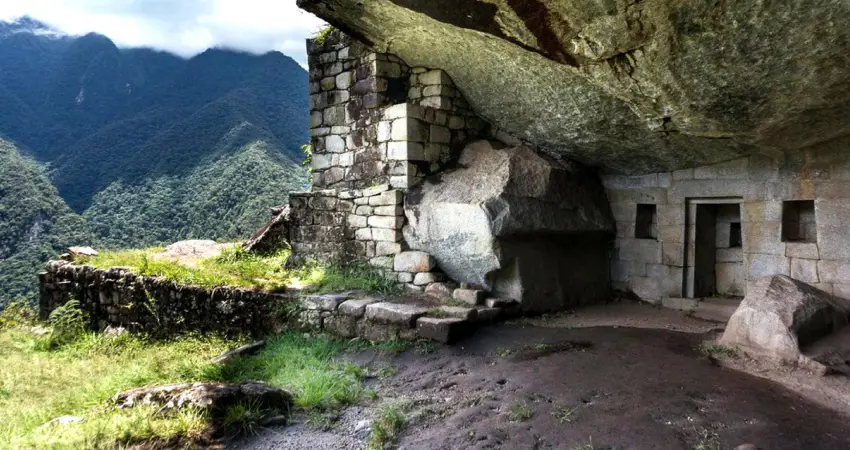
Considered another alternative experience that shares part of the path that leads to Huayna Picchu Mountain, this experience allows you to access one of the most mysterious places found within the Inca citadel of Machu Picchu: the Temple of the Moon. It is considered one of the most emblematic ceremonial centers, used primarily for rituals and ceremonies with religious purposes, where Andean priests, accompanied by the Inca, made offerings to the moon deity. Its experience is more extensive since it requires around four hours to reach an adequate pace for each traveler, you must consider that due to the geography of the road it contains certain steep parts and is located next to a cliff which increases the adrenaline level for travelers, this experience is open only during the high season which also coincides with the dry season where the presence of rain is scarcer allowing the road to be more stable, this occurs between May and October of each year and is designed mainly for travelers who have a good physical condition since its difficulty is intermediate.
| Price | Foreigner | Peruvian | CAN countries |
| General | s/ 200.00 | s/ 112.00 | s/ 112.00 |
| Student | s/ 125.00 | s/ 80.00 | s/ 80.00 |
| Minor
(3-17 years old) |
s/ 118.00 | s/ 80.00 | s/ 80.00 |
2.4.- 3-D Route: Visit to Huchuy Picchu Mountain
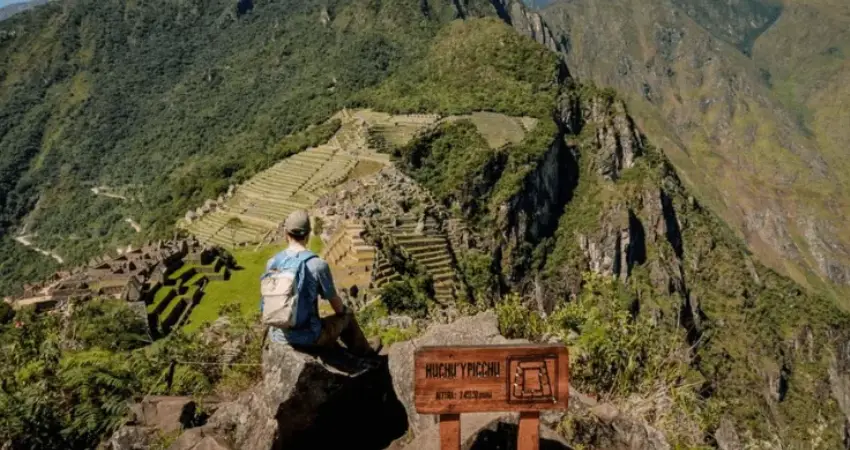
This is one of the most recent variants that has been included within the Circuit 3 Machu Picchu. It is mainly characterized by allowing you to access the top of a mountain known as Huchuy Picchu, which means “small mountain.” The route is shorter and less demanding compared to the immense Huayna Picchu mountain, so it requires approximately two additional hours to your traditional visit to be able to enjoy it properly. Its geography also varies, so there are areas where there are slopes that you must ascend, however, they are moderate. Upon reaching the summit, you enjoy a panoramic view from a lower altitude over the archaeological site, making it a perfect alternative for travelers looking for a unique view but who do not have an adequate or expert physical level. It is enabled throughout the year, however, it is also recommended that it be done during the dry season for safety reasons.
| Price | Foreigner | Peruvian | CAN countries |
| General | s/ 152.00 | s/ 64.00 | s/ 64.00 |
| Student | s/ 77.00 | s/ 32.00 | s/ 32.00 |
| Minor
(3-17 years old) |
s/ 70.00 | s/ 32.00 | s/ 32.00 |
3.- WHAT YOU’LL SEE ON CIRCUIT 3
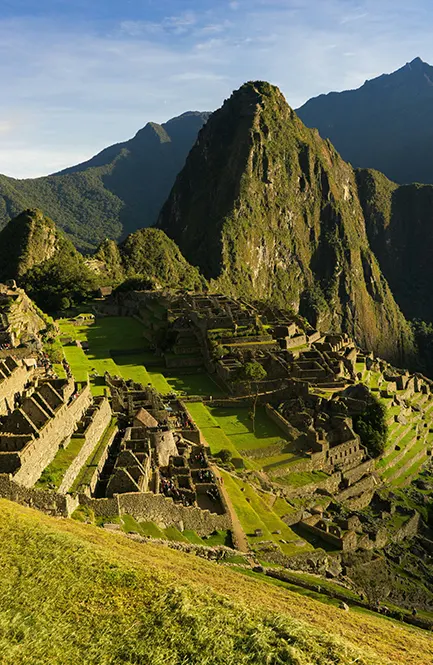
By choosing one of the Machu Picchu circuit 3 tickets you have the opportunity to discover a different way to visit the Inca citadel, in this way the experience is prioritized by the lower sector, which is mainly known as the royal route, which stands out for being the space where the largest number of buildings and enclosures of historical significance are preserved, being in better condition. Within these enclosures, the presence of the popular Temple of the Sun stands out, which is distinguished by its symmetrical construction with a semicircular design, which is known to have been exclusively dedicated to the worship of the sun, thus being considered one of the most important and sacred places for the Inca culture, highlighting its fine finishes carved in the rock.
It is also possible to enjoy and appreciate the beauty of the popular House of the Inca, which after studies it was determined that it was the place where the nobles occupied and where the main administrative center of the entire sanctuary was located. It is possible to appreciate how this enclosure is interconnected with other spaces of equal importance, which is why it is considered unique within the entire citadel. It is also possible to appreciate the extension of the popular Temple of the Condor, which stands out as a natural stone formation carved with the expertise and architectural knowledge inherited from ancient pre-Columbian cultures. This sacred bird can be seen displaying its outstretched wings, symbolically representing spiritual power, clearly establishing a strong connection that unites the population on the earthly plane with a spiritual world inhabited exclusively by the gods.
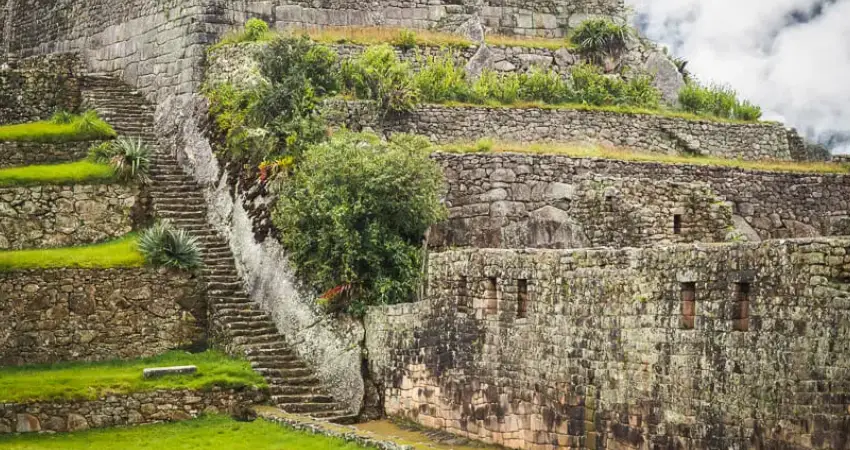
During the visit, you will also be able to appreciate extensive agricultural terraces located in the lower part of the Citadel. This is where the culture primarily developed its farming techniques. A complex drainage system was also implemented, allowing water to flow properly without affecting the rest of the citadel. Proof of this is shown in the various water channels, which served as a complete supply to the interior of this world wonder and, in some cases, were used for ceremonial purposes within certain enclosures, such as the Hall of Mirrors, which were specifically used as astronomical observation points in ceremonies and rituals guided by Andean master priests. Finally, you will see a group of buildings that were used as warehouses and storage areas for preserving food and agricultural products obtained from the harvests. All the enclosures you will be able to appreciate during your visit allow you to understand firsthand how such a great balance existed between knowledge, beliefs, spirituality, and, of course, a great respect for nature.
4.- Views and Photo Opportunities
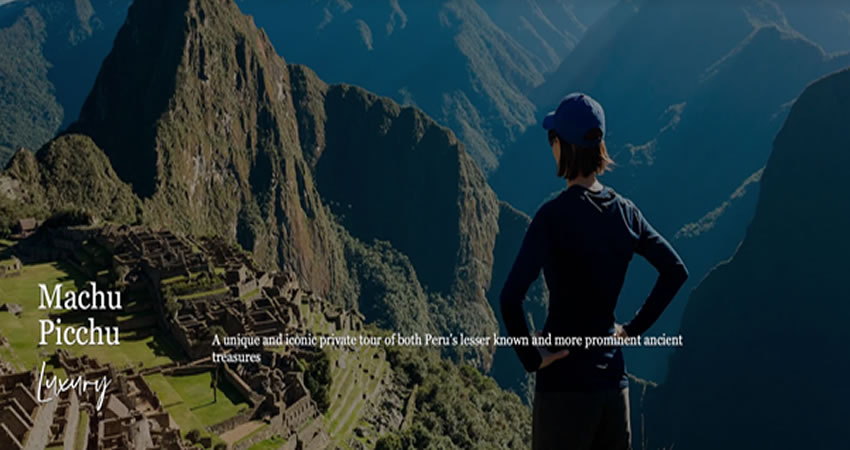
Although Machu Picchu Circuit 3 only includes a visit to the lower part of the Citadel and excludes the upper part, including the Guardian’s House, there are strategic locations where you can enjoy and take the popular classic photos of the Inca city. The perspective of the lower city is an ideal adventure for all travelers who choose it. You have the opportunity to closely enjoy the citadel’s enclosures, terraces, and set of stairways, as well as the immense mountains that surround this unique place. Consider using the early hours of the day to enjoy a better view, as this is when there is warmer natural lighting, which dazzles each of the stone enclosures and creates a striking contrast with the panorama.
5.- HOW TO BOOK & PLAN YOUR VISIT
This is one of the most popular options for travelers during their visit to the Inca citadel of Machu Picchu, so availability sells out fairly easily. Booking a ticket for this experience is fairly simple, and you have several options available to enjoy your experience without complications. The first and most convenient option is to do so through the Ministry of Culture’s official website, tuboleto.cultura.pe. Its system is quite interactive, so it’s not overly complicated.
The first step is to appropriately select Machu Picchu Circuit 3 and then the type of route that best suits your needs and improves your planning. It also requests a selection of dates, which is important so you can see the number of available spaces so you can proceed to select the appropriate time slot. Finally, it redirects you to a payment page where you can purchase the ticket using a credit or debit card. Naturally, the alternative option is to carry out the entire process with a certified travel agency, which can help you with every necessary detail, saving you time and trouble when selecting all this information. However, it is important to also consider that the company you choose must be accredited by the Peruvian Ministry of Culture, so it is important to verify its existence on the list of official providers that offer tourist services.
6.- A MYSTERY FOR THE WORLD
“The name currently known as Machu Picchu actually belongs to the mountain located behind the citadel. Due to the lack of written or oral records, the original name of this citadel located at the top of the mountains is unknown. Thus, it is represented as one of the greatest mysteries of Inca culture.”
7.- FREQUENTLY ASKED QUESTIONS
- What is included in Machu Picchu Circuit 3?
The Circuit 3 experience at Machu Picchu offers a complete experience of the lower part of the citadel. This involves immersing yourself culturally and historically in each of the structures located along the route, allowing you to enjoy the beauty of the Temple of the Sun, the Temple of the Condor, the House of the Inca, and many other structures, as well as appreciating the complex of agricultural terraces and water channels.
- How long does Circuit 3 take to complete?
The visit within this circuit typically lasts two hours; however, due to the more leisurely pace of some travelers, it can be extended up to 2 hours and 30 minutes accompanied by a professional guide who will assist you with the interpretation of each site. For the variants that include access to the mountains, an additional approximately 3 hours is considered so that you can enjoy it at your leisure.
- Is Circuit 3 suitable for older travellers or people with limited mobility?
Yes, in fact, this circuit has been designed primarily for travelers with limited mobility who are unable to ascend to very high places with large steps. Therefore, it is recommended that these travelers opt for Route 3-B.
- Will I get the classic Machu Picchu “postcard photo” on Circuit 3?
No, unfortunately, this tour does not allow you to take the famous postcard photo that circulates in books, magazines, or social media, as it can only be accessed from the area where the guardian’s house is located, located at the top of the Inca citadel.
- Can I upgrade from Circuit 3 to Circuit 2 or Circuit 1 later?
No, due to regulations established by the Peruvian government, each tour is independent. Therefore, once you purchase a specific tour, you cannot change it to another unless you purchase a new additional entry with the new tour you want.
It’s time to start planning your next adventure to the world wonder of Machu Picchu. Auri Peru can help you design a personalized experience that perfectly fits your needs. Contact us now and discover everything we have to offer.
“Life is short, but the world is wide.”