

1.- INTRODUCTION TO LAKE TITICACA’S ECOSYSTEM
Lake Titicaca is located within the Peruvian altiplano in the Andean region, with 3800 m above sea level, is listed as the highest navigable lake in the world and is considered an ecological jewel that is protected in South America. Its extension includes territory between Peru and Bolivia. Something that stands out a lot about this place is undoubtedly the Lake Titicaca Wildlife, in fact it contains a very complicated ecosystem where some few species have managed to evolve and adapt to the unsuitable conditions that the place presents. In this way it is recognized as one of the places with the greatest extension and percentage of biodiversity in aquatic and terrestrial style being a key place for environmental conservation within the cultural and ecological tourism.
2.- Geographic environment
The extensive of the lake titicaca that has the characteristic of being surrounded by large mountains and plains that have the arid characteristic also due to the height in which it is located, however its extension covers about 8000 km² and has an approximate depth of 107 m, in this environment greatly influences the formation of microclimates and habitats from Juncales to the artificial islands made of Totora. The ecosystem is very important not only for the biodiversity that exists but also for the presence of multiple communities that have developed their lifestyle and depend on the presence of the waters for the activity of fishing as well as others such as agriculture, transportation and part of their daily lives. In more than one sense, this lake fulfills a very fundamental ecological function since it is also considered as a water regulator and is the refuge of multiple species, so the Lake Titicaca Wildlife is quite varied.
3.- Environmental conditions of the lake
The main thing that is known about Lake Titicaca is that it has the presence of fresh water, also the percentage of mineral is that balanced and has a slightly alkaline pH, these characteristics and mixtures of chemistry have allowed the development of Lake Titicaca Wildlife is quite particular, resulting in this ecosystem is the habitat of the giant frog titicaca plus other species of algae that can only develop in this ecosystem already formed. In addition to this there is a unique and special transparency that directly helps in photosynthesis which is really rare for high altitude lakes.
Another important aspect is that it has a large volume and because of this the Wildlife at the Lake Titicaca has been able to develop in an adequate way since the water acts as a thermal moderator within the entire region. It is for this reason that the water temperature can vary throughout the year reaching temperatures between 10 °C and 14 °C which in many ways helps to maintain conditions that are suitable and stable where aquatic organisms can adapt despite the extreme weather that may occur in the altiplano.
Of course the water temperature also varies constantly so this process is known as seasonal fluctuation where the level of water flow varies mainly during the rainy season which occurs between November and April, on the other hand there is vaporization during the dry season. Naturally, these climatic and temperature changes directly affect the Wildlife at the Lake Titicaca since the reproductive rhythms of fish, birds and aquatic plants are directly influenced, and there is also an influence on the agricultural and cultural practices of the local communities. For travelers seeking an authentic and enriching experience, Luxury travel Peru offers the opportunity to explore this incredible ecosystem while supporting its preservation.
4.- AQUATIC LIFE IN LAKE TITICACA
It is incredible the amount of Lake Titicaca Wildlife that can be appreciated because it houses a large amount of biodiversity that is considered unique and special, this is mainly because this place has remained isolated for millions of years and has managed to create a suitable environment, there is a very unique aquatic ecosystem in all of South America containing endemic species that can not be found anywhere in the world, from peculiar native species to microscopic organisms, no doubt the Lake Titicaca Wildlife is a direct reflection of the resilience and specialization that organisms have to adaptation.
The most important thing that stands out in the Wildlife at the Lake Titicaca are the endemic fish species, these have evolved and have managed to adapt to cold temperatures and a high altitude but due to the passage of time and social expansion many of these species today are listed as endangered because they have been introduced intentionally foreign species and has caused the habitat has been violated.
4.1.- Orestias
However this does not leave aside the importance of these species being the most representative of the genus Orestias which are listed as part of the most iconic group within the entire lake, in this species of fish is also known Karachi which has a great morphological and ecological diversity, mostly inhabit deep areas but there are also some that can survive near the surface mainly among the reeds, feed directly on insects, algae and small invertebrates which are part of the food chain.

4.2.- Catfish
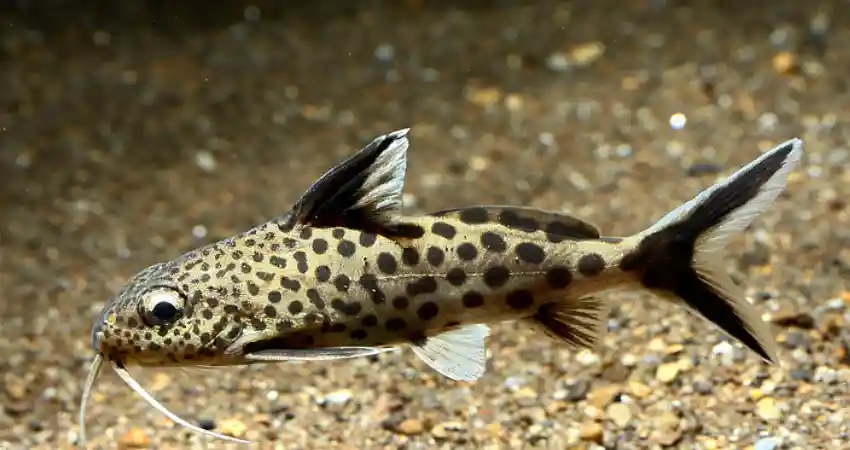
Part of the Wildlife at the Lake Titicaca is undoubtedly the endemic catfish belonging to the genus Trichomycterus, these are mainly known to contain benthic habits, refers to fish that have managed to adapt to cold and turbid waters at the same time besides having an ecological importance that directly helps with the cleaning of the bottom of the lake.
4.3.- Killis
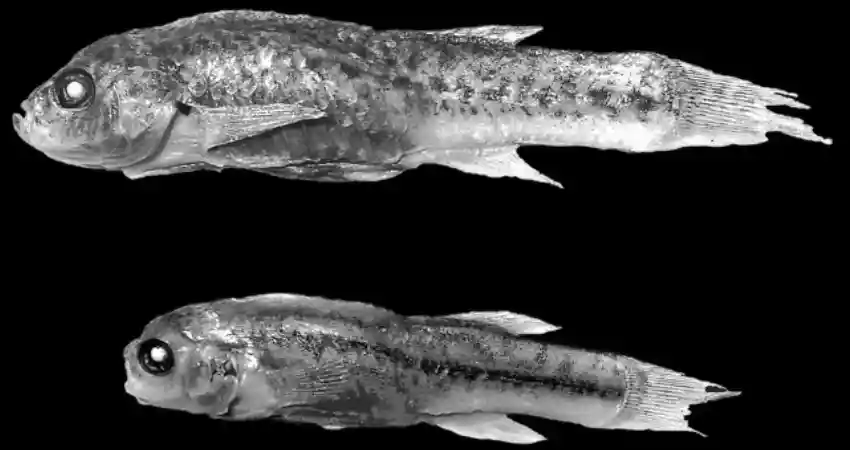
Another popular species within the Lake Titicaca Wildlife are undoubtedly the Killis belonging to the Cyprinodontidae family, these are part of the native and endemic fauna but are less known, they are characteristic for having the ability to tolerate variations in oxygen levels and salinity of the water so they are ideal ecological indicators.
4.4.- Titicaca Giant Frog
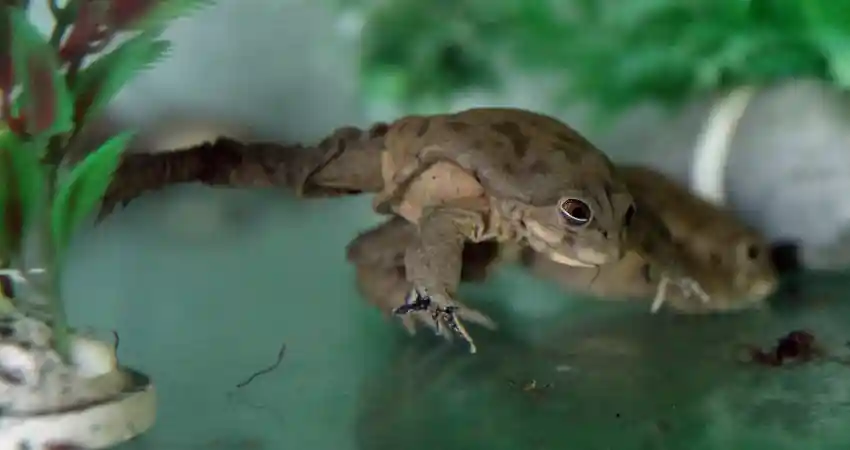
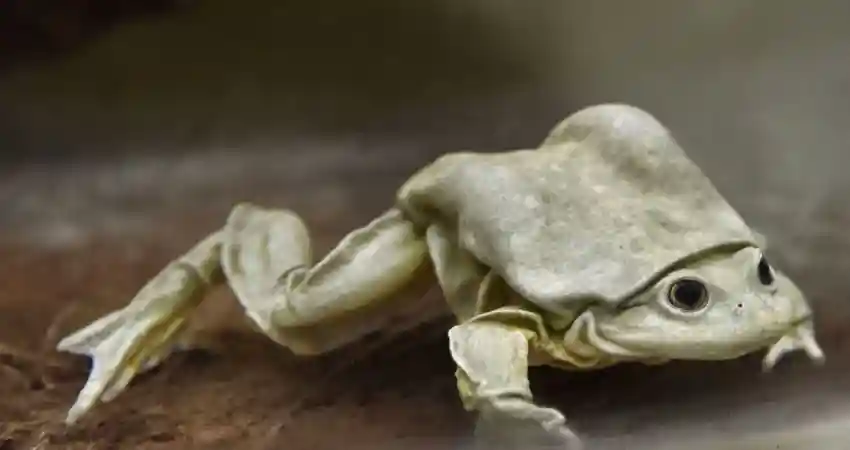
Of all the Lake Titicaca Wildlife undoubtedly highlights the presence of the Titicaca giant frog, its scientific name is Telmatobius culeus, is an aquatic amphibian and endemic but with a rather unusual appearance that has come to have even the attention of the world. This is because this frog has skin folds that allow it to absorb oxygen directly from the water and this has been key to its adaptation because in the highlands there are low concentrations of oxygen and the most incredible thing is that it lives exclusively underwater so it can measure up to 50 cm long being one of the largest aquatic frogs in the world, Unfortunately this frog has entered in danger of extinction because due to pollution and illegal fishing has substantially reduced its population, fortunately today there are preservation and conservation programs by both states with the intention of preserving the few species that are still in the wild and others in hatcheries.
| “Travel—where the journey becomes the destination.” |
5.- BIRD SPECIES OF LAKE TITICACA
In the extensive territory of Lake Titicaca you can find Totora reeds, which have served as a natural habitat for a variety of avifauna which also represents an ideal place for bird watching enthusiasts and of course biologists in the world. Luxury travel to Peru often includes these unique experiences, offering travelers the chance to witness this biodiversity in its natural setting. Many people do not know that among the Lake Titicaca Wildlife there are more than 60 types of birds that are part of the ecosystem of the lake, being mostly endemic species that have managed to adapt to the highland conditions.
5.1.- Titicaca Grebe
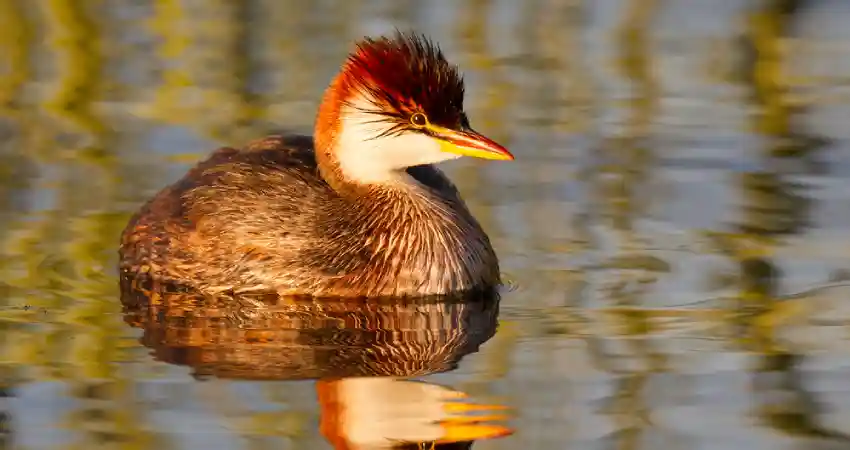
This peculiar bird known as the Titicaca Grebe (Rollandia Microptera) is colloquially known as the flightless water cock that is listed as an endemic bird which is typical of the lake, is characterized mainly by having the inability to fly which directly makes it dependent on the waters of the vast Lake Titicaca where you can see him feeding on small fish and where they build floating nests in the sets of Totora.
5.2.- Andean Gull
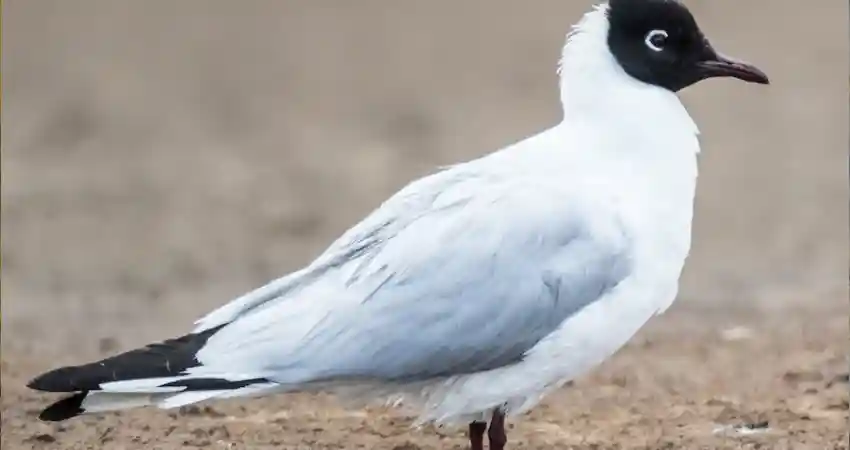
One of the most particular birds in the extensive lake are undoubtedly the Andean gulls (Chroicocephalus serranos) which are mainly sighted on the shores and beaches, are characterized by having a white and gray plumage which makes them easily recognizable and mainly based their diet on small fish, insects and organic debris. The passage of time has made these birds become versatile and adapt easily to the extreme environment that this place presents, so they are easily visible in the water and in urban areas, they are an important part of the Lake Titicaca Wildlife.
5.3.- Ibis de la Puna
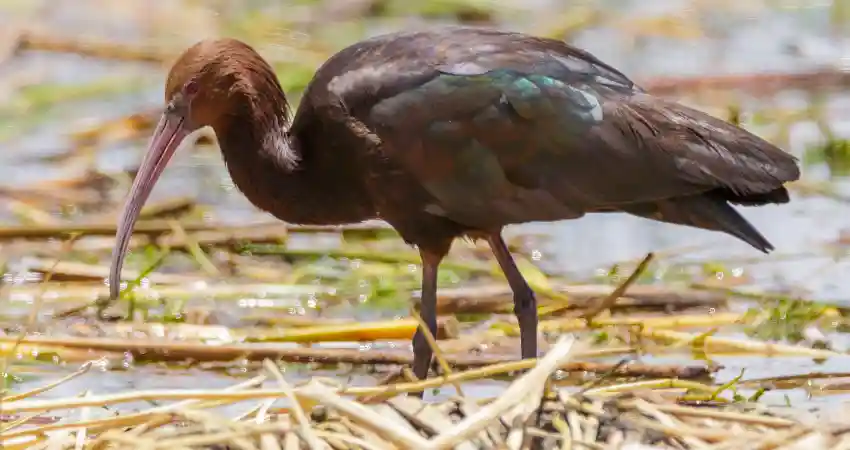
A notable species that should be highlighted among all the Lake Titicaca Wildlife is undoubtedly the Ibis de la Puna (Plegadis ridwayi), contains a metallic plumage and stands out at a glance by a long curved beak, it is common to see this bird looking for food among the wetlands where it constantly consumes insects, mollusks and crustaceans of small size.
6.- Migratory seasons
It is also important to know that there are times during the year when Lake Titicaca becomes a place that receives migratory species that are added in a seasonal way in the wide biodiversity that exists with the intention of taking advantage of the resources offered by the whole environment. Mainly these migratory birds arrive there between November and April, time of year when temperatures are more suitable and there is a greater amount of food for birds, mostly these come from northern South America and temperate sectors.
Among these birds you can frequently see Baird’s sandpipers (Calidris bairdii) and also other varieties of herons that can be seen feeding on the same banks before continuing their migration process. Their presence is also important for the ecological dynamism and balance as they are part of the main and important birds for ornithologists.
Also among the extensive totora reeds can be seen the popular Andean junquera, thrushes and herons that use these spaces as a refuge and part of their habitat where they commonly nest, which are camouflaged and in high places to protect their eggs from predators. Most of these birds have their diet based on insects, larvae and small fish that commonly seek hiding places among the cattails, these birds thanks to their stealthy movement makes it difficult to notice their presence among the dense stems.
7.- GIANT FROG OF TITICACA
The Titicaca giant frog is considered one of the most exceptional species that you can find in the world because its skin contains folds that allow it to absorb oxygen directly from the water, which facilitates its adaptation to the environment and it can live without leaving the water.

8.- FAQs
- What animals live in Lake Titicaca?
The Lake Titicaca Wildlife is really varied containing many animals that are unique in the world, including endemic fish such as orestas, Andean catfish and the popular giant frog of Titicaca, in addition to multiple varieties of waterfowl, insects and organisms of the lake.
- Is the Titicaca water frog endangered?
Yes, the giant frog species has been declared as an endangered species because the lake itself has a high degree of pollution, plus there is a large percentage of illegal fishing and gradual destruction of its habitat.
- Are there fish in Lake Titicaca?
Yes, there are many varieties of fish that are endemic, mainly orestias, native catfish and Andean killifish. On the other hand, other species such as trout and silversides have also been introduced.
- What birds can you see at Lake Titicaca?
There are about 60 varieties of birds, mainly the Titicaca Grebe, Andean gulls, Puna ibis and other varieties of herons, wild ducks.
- Is there a monster in Lake Titicaca?
No, however, according to legends and beliefs of the local people, there are varieties of species that are still unknown, all this is part of the Andean oral tradition.
- What is special about Lake Titicaca’s wildlife?
Lake Titicaca Wildlife is unique in the world, mainly because of its geographic isolation and extreme altitude. These factors have determined that the variety of species that exist in this place cannot be found in other parts of the world.
This information is important for nature lovers looking to disconnect from the world and understand more about the natural life that exists in Peru. Auri Peru can organize a special adventure allowing you to connect with the wildlife of Lake Titicaca, contact us now and together we will design a great adventure.
“Every path has a story.”