

1.- WHAT IS HUCHUY QOSQO? UNDERSTANDING THE “LITTLE CUSCO”
Its name comes from words of Quechua origin meaning “little Cusco.” The name is symbolic and represents its function within Inca culture, as multiple studies have determined that it was built as an administrative center and, at the same time, as a spiritual retreat mainly for royalty, on a smaller scale but with the same importance as the capital of the entire Tahuantinsuyo empire. The location of this archaeological center is no coincidence, as it was strategically built in the upper part of the town of Lamay, within the Sacred Valley, and its name is balanced with the structural and symbolic importance it has in the political and religious system of one of the most important cultures in Latin America.
2.- Historical importance
Although today the Huchuy Qosqo Trek is well known as one of the most challenging short hikes you can find in the city of Cusco, its history links it directly to one of the great rulers of the Inca culture, Wiracocha. Although it is not known for certain, it is presumed that it was he who gave the order for the construction of a place of rest where he could retire during the last years of his reign. This was also reflected in the chronicles written by the Spanish who arrived in 1534, as it is known that the Inca ruler decided to take refuge in Huchuy Qosqo when a rebellion broke out in the city of Cusco. Therefore, the idea of a retreat gained strength, in addition to its strategic location for controlling access to the city from the Sacred Valley. Even today, when someone chooses to enjoy the Huchuy Qosqo Hike, they can appreciate how fertile the surrounding land is and how much it contributes to agriculture, which reflects how productive it was during the Inca culture.
3.- Archaeological importance
Thanks to the various options offered by Huchuy Qosqo Hike, it has been determined that, from an archaeological point of view, this place is undoubtedly a gem that has been superficially explored. However, it has still managed to provide insight into more than one aspect of the architectural diversity that this great culture demanded. One can appreciate how there are various types of combinations between carved stone, adobe, irrigation channels, ceremonial structures, and even agricultural terraces, demonstrating the extensive level of planning and adaptation to the natural environment. Fortunately, it is not as crowded as other destinations in the Sacred Valley or Machu Picchu itself, which has allowed for special preservation and a very special landscape that has made it possible to understand that Huchuy Qosqo is an essential place for understanding the administrative, religious, social, and agricultural processes that took place within the Inca Empire. For many travelers looking for a little more adventure, the Huchuy Qosqo Trek is the perfect alternative, combining the elegance of culture and history with the adrenaline rush that can only be felt when walking one of the Inca trails. It’s also a lesser-known gem that fits perfectly into a Peru luxury travel itinerary.
4.- LOCATION OF HUCHUY QOSQO
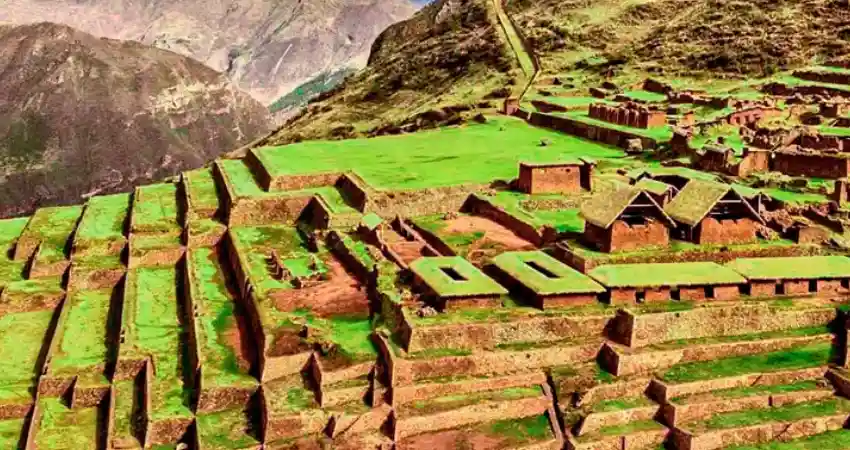
This archaeological site is located within the Cusco region, more specifically in the heights of the Calca district, currently known as the Sacred Valley plateau, at 3,650 meters above sea level. It occupies a strategic and privileged position where you can appreciate the Andean landscapes and even visually control the extensive valley.
5.- How to get to Huchuy Qosqo
There are many ways to get to this place, the most traditional being from Cusco, first arriving at the town of Tambomachay, from where a short 15 km walk begins, which can take between 7 and 8 hours. The second alternative is to do it from within the Sacred Valley, starting in the town of Lamay, which has a much more direct but steep access, making it more challenging, as it takes between 4 and 5 hours to complete. Finally, there is the alternative of the town of Chinchero, which is one of the most traditional points of departure for visiting Huchuy Qosqo, although it is longer, taking around 6 hours to reach the archaeological site.
6.- Climate and weather conditions
Part of planning also involves knowing the most important characteristics and aspects of the environment. In this case, when talking about this archaeological site, a very Andean atmosphere and climate is to be expected, which means dry and sunny conditions during the day, with temperatures above 20 °C. However, at night, the opposite is true, and temperatures can drop to as low as 5 °C. The best time to enjoy any of the activities that involve hiking or direct access is undoubtedly between May and October, which is also considered part of the dry season, as during this period the climate is much more stable and rainfall is minimal, making the trail safe as there are no slippery or very demanding areas.
| “The world is a book, and those who do not travel read only one page.” |
7.- ARCHITECTURE
7.1.- Construction techniques
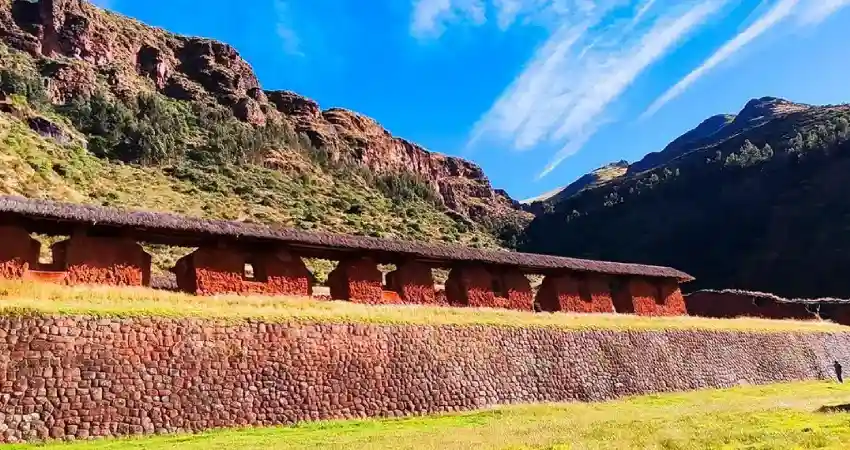
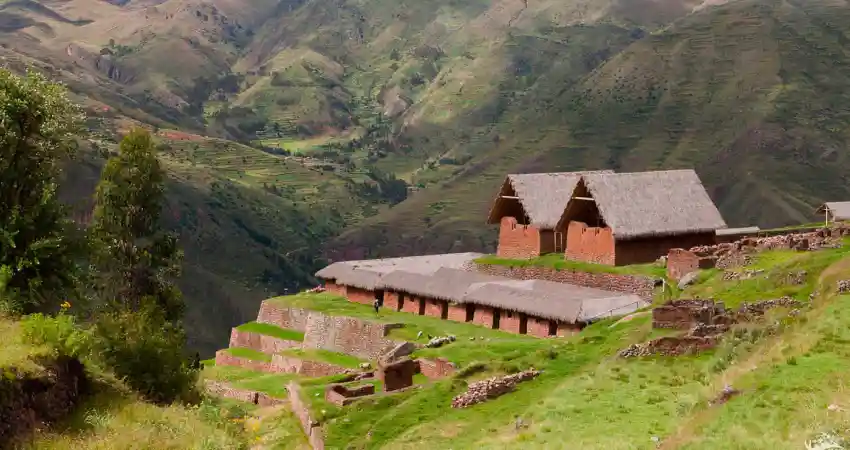
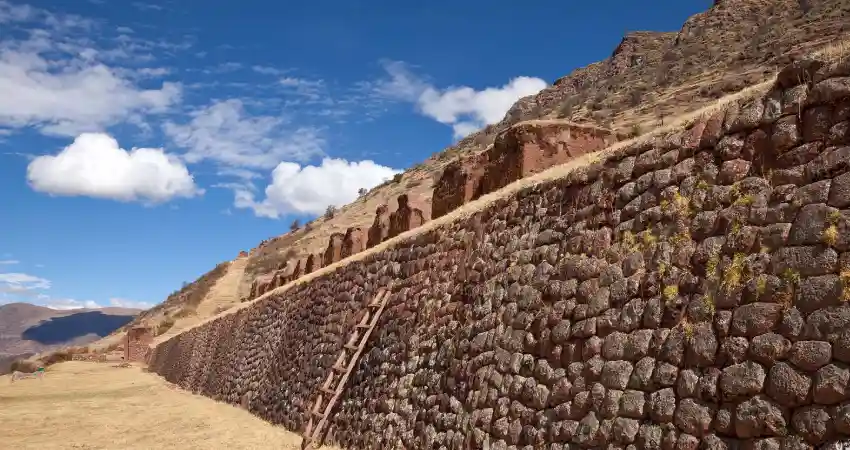
This archaeological site offers a different appreciation of the fusion between finely carved stone and the rustic presence of adobe. This combination is very unusual, as many of the archaeological sites belonging to the Inca culture only feature stone. In this particular case, it can be seen that the stones have been assembled without mortar, demonstrating the precision of the culture as well as its advanced knowledge of architecture. On the other hand, the use of adobe shows that there was knowledge of how to adapt to the dry climate and that there was also a residential function.
7.2.- Terrace system
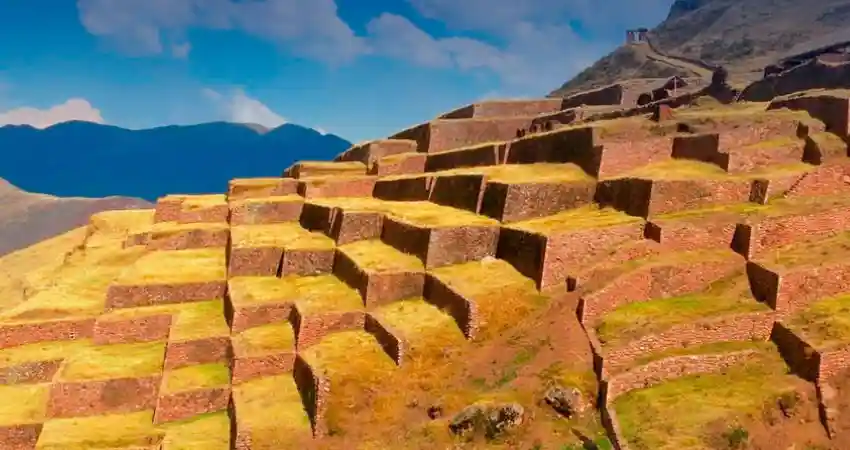
Being in an isolated area, it was also necessary to build a terrace system, which was designed to maximize agricultural yield on sloping land, which also facilitated soil erosion and allowed for water flow control. In this way, despite being in a remote location, they were able to remain without food complications.
7.3.- Water management
Inside the construction, it is possible to see irrigation channels that were carved into the stone, as well as hydraulic systems that, incredibly, can still be seen in operation today. The design was based mainly on the efficient distribution of water, which came from nearby sources and was essential for agriculture.
7.4.- Important buildings
Among its buildings, a very prominent enclosure known as Gran Kallanka, which means ceremonial hall, stands out. In addition to this, the presence of moors that served for defense, warehouses, and dwellings has been found. Another aspect that easily stands out is that the Kallanka is not only large in size but also has trapezoidal doors, which highlight its ceremonial function. Inside, there are niches, carved staircases, and small sacred enclosures where idols or mummies are believed to have been housed. This would show that there was an advanced order within the social and religious organization of the place.
8.- TREK OVERVIEW AND HIGHLIGHTS
This hiking alternative is undoubtedly a unique experience where you can find a special combination of nature, history, and adventure, as it is a trail that is not commonly traveled within the Sacred Valley. Although there are several options for this activity, the best one is undoubtedly the one that allows you to enjoy three days and two nights immersed in the Andean landscapes and cross the mountain passes at a leisurely pace. The difficulty level is between moderate and challenging, mainly due to the altitude and certain sections that are quite steep. Luxury travel Peru enthusiasts often find this trek a perfect balance between cultural immersion and physical challenge. However, thanks to the company of a tour guide, extensive experience is not required before undertaking the hike. Nevertheless, good physical condition is ideal, and it is best to do it during the dry season between May and October, as the weather is much more stable during this time and the trails are dry, which makes access easier.
9.- Daily itinerary
9.1.- Day 1: Cusco – Tambomachay
The first day of the experience begins in the city of Cusco, where transportation takes you to the Tambomachay sector. This is a center that is logically located in the upper part of the city. Here, the hike begins, ascending one of the ancient trails that belong to the Inca road network and heading towards the Pumamarca or Qoricocha sector, where you will spend your first night camping. This day is more about getting to know the surroundings and enjoying the panoramic views of the high Andes mountains. You may also see groups of llamas and alpacas.
9.2.- Day 2: Huchuy Qosqo
This is undoubtedly the most demanding part of the entire tour. The ascent first takes you to the mountain pass, which is 4,200 meters above sea level, where you can enjoy one of the best views of the Sacred Valley. From this point, the descent begins, allowing you to appreciate unique and special landscapes as you finally reach the archaeological center. Here, you will spend the second night camping quite close to the archaeological center in a place that offers you an exclusive view.
9.3.- Day 3: Visit to the archaeological center and return
On this last day, you will explore the surroundings of the archaeological center, immerse yourself in each of its buildings, and visit the terraces, temples, and even the Inca canals, giving you the opportunity to connect with the culture and history. At the end of the day, you will begin the descent to the village of Lamay, located within the Sacred Valley, where transportation will be waiting to take you to the village of Ollantaytambo, where you can decide whether to continue on to the Inca citadel of Machu Picchu or return to Cusco.
10.- INCREDIBLE VIEW
“Thanks to its unique location, this archaeological site offers a unique view of the Sacred Valley, where you can see fertile fields, winding rivers, and even traditional villages from a panoramic perspective. This makes it more than just special and unique; it becomes a very special cultural investment alternative where travelers can understand the magnitude and importance of the Inca culture during its heyday.”
11.- FREQUENTLY ASKED QUESTIONS
- What does Huchuy Qosqo mean in English?
The name means “little Cusco” and is represented in the Quechua language, which was the official language of the Inca Empire. This name reflects the political importance of this place, as well as its role as a ceremonial center.
- How old is Huchuy Qosqo?
Although it is not known for certain, it is estimated that its construction began in the 15th century during the reign of Inca Wiracocha, meaning that it is more than 600 years old.
- Who built Huchuy Qosqo?
According to records kept by Spanish chroniclers, this place was built by the Inca Wiracocha as his place of retreat.
- Is Huchuy Qosqo worth visiting?
Definitely yes, despite the fact that its popularity is not as great as that of other places such as Machu Picchu, this archaeological site allows you to have a much more intimate adventure and immerse yourself in history and culture.
- How does Huchuy Qosqo compare to Machu Picchu?
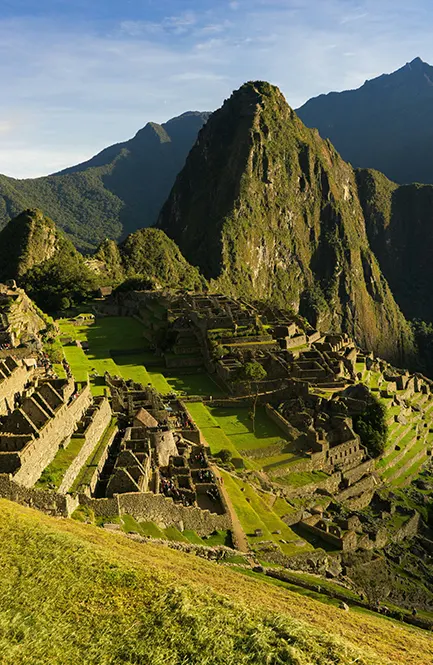
Machu Picchu is certainly much more impressive in terms of size and popularity, but this archaeological site undoubtedly stands out for its tranquility and accessibility to visitors, making it a special and unique adventure that you cannot miss.
Now you know the most important things about this archaeological site and can start planning your trip without any complications. Auri Peru will create a personalized adventure for you that emphasizes not only the activity but also your comfort and safety at all times. Contact us now, we are ready to start the adventure with you.
“The best views come after the hardest climbs.”