

1.- UNDERSTANDING DRUG LAWS IN PERU AND CUSCO
1.1.- Drug Law in Cusco, Peru
It’s important to understand that the legal framework restricting drugs in Cusco is also regulated in other parts of Peru. Therefore, it is very strict, maintaining total control over its distribution. This is always geared towards preventing and combating illicit trafficking, while simultaneously seeking to provide social protection that contributes to public health. Generally, all the regulations aim to provide strict control over the production, consumption, sale, and even possession of hallucinogenic substances. This has been standardized throughout Peru, including in the ancient capital of the Inca culture, and is especially important considering that Cusco is one of the most popular tourist destinations. Of course, regulations have been established that differentiate illicit activities directly linked to drugs in Cusco from cultural activities that are permitted as part of tradition. This helps maintain public order and, at the same time, ensures greater safety for people and travelers from around the world.
1.2.- Penalties for Possession
From the very act of buying drugs in Cusco to possession itself, there is rigorous control that results in criminal proceedings. These proceedings can vary depending on the percentage or quantity possessed, the means of transport used, and finally, the intent. Of course, as in other parts of the world, the act of illicit trafficking is punished with a much greater and more severe penalty due to its impact on society and the harm it causes to economic growth. Simultaneously, controls have been established for individuals who consume small quantities. These penalties range from fines and educational and awareness programs to more serious situations that can even lead to imprisonment.
Generally, the law differentiates between personal consumption and drug trafficking. To do this, various factors are considered depending on the context, such as the amount permitted for an individual and the manner in which the products are transported. In some cases, drug use in Cusco is considered to be directly linked to a health issue, leading to a preliminary investigation before a decision is made. This is why the distinction between the application of the law is so important.
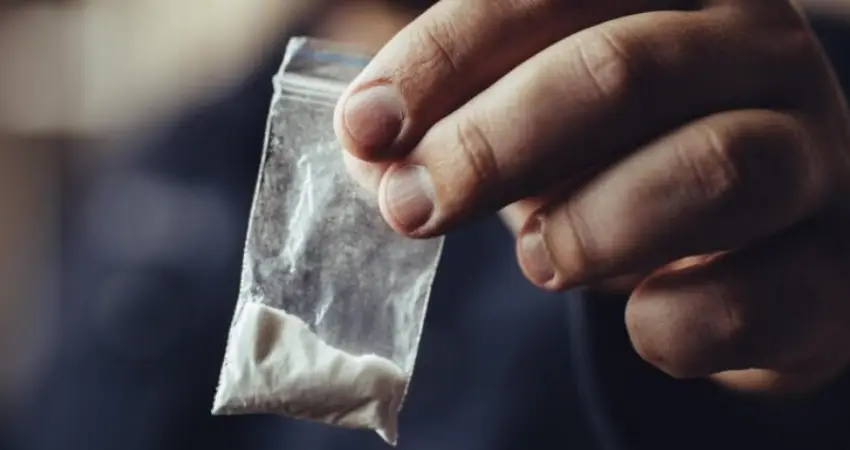
The Peruvian police constantly conduct operations to control and regulate activities such as the illegal purchase of drugs in Cusco Peru. These operations regularly involve patrols and inspections in the main areas of the historic center, always adhering to legal protocols. In the city of Cusco, the primary objective is to prevent drug-related crimes, always seeking to protect and promote the peace of mind of both residents and visitors.
| “Not all who wander are lost, some are just exploring.” |
1.3.- Myth of Tourist Exceptions
Contrary to what many travelers believe, the city does not have a legal exception for tourists. The regulations governing drug control in Cusco, Peru, are the same for everyone. Therefore, regardless of whether they are nationals or foreigners, all these regulations must be fully complied with. For this reason, the authorities have increased their efforts and operations to preserve public safety.
2.- THE COCA LEAF: PERU’S SACRED PLANT
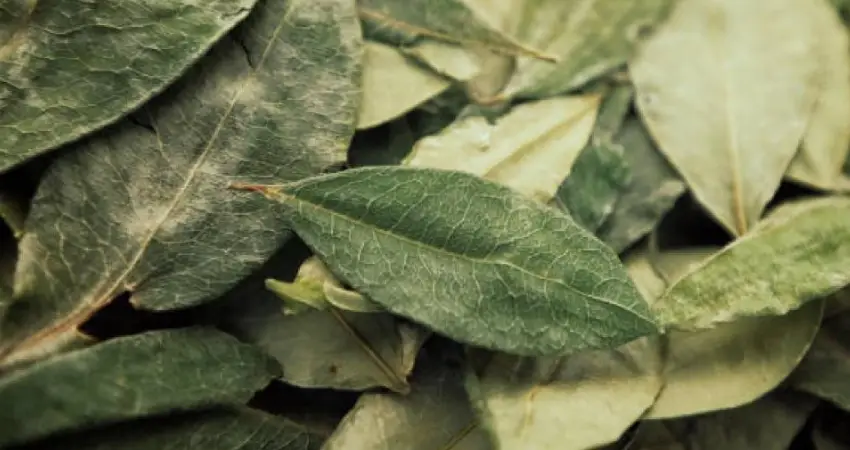
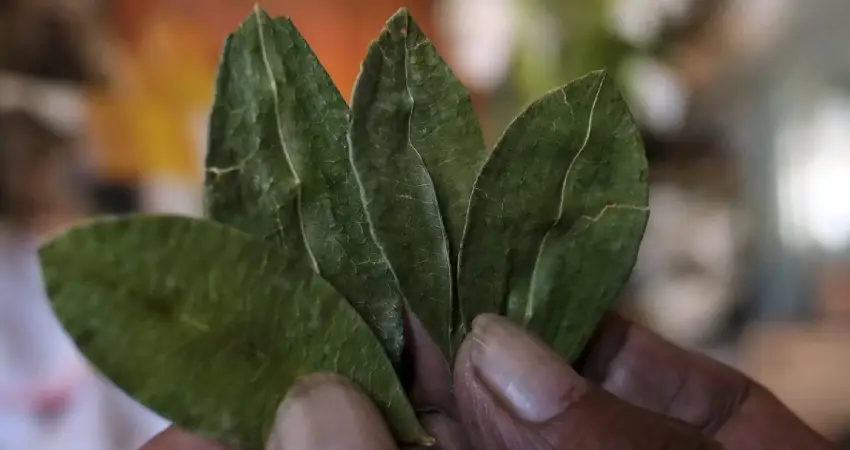
One of the most well-known popular myths is that buying coca leaves is the same as buying drugs in Cusco. However, this is quite wrong, as the traditional and ancestral coca leaf is considered one of the medicinal plants whose essence lies within Andean tradition and cosmogony. Within this belief system, it has been part of various religious ceremonies, its use dating back thousands of years, even long before the Inca civilization. Through generations, it has been considered a sacred plant directly related to the spiritual world, allowing for a special connection with the natural environment. In many cultures, this ancestral plant has been recognized primarily as a symbol of reciprocity and respect, and it also contributes to a balance within the belief system and relationship with the divine.
To this day, many communities in the Andean region use coca leaves as part of ceremonies and rituals performed for deities, one of the most important being Mother Earth, also known as Pachamama. In these ceremonies, the act of Acullico, which can also be described as traditional chewing, is performed to preserve cultural identity and create a connection with the Andean environment. This practice remains a very important aspect of daily life for people living in rural areas.
Generally, coca leaves are present in people’s daily lives even outside of ceremonial and religious contexts. This plant has unique characteristics with properties that help combat fatigue, the cold, and even altitude sickness. For this reason, it is recommended that travelers arriving for the first time in high-altitude cities like Cusco consume some coca tea, as it allows their bodies to oxygenate more easily. Its production and consumption are currently legal activities directly associated with the traditions and culture of the Andean region, particularly in cities like Puno, Ayacucho, and Cusco.
3.- Legal Products Derived from the Coca Leaf
- Coca Tea
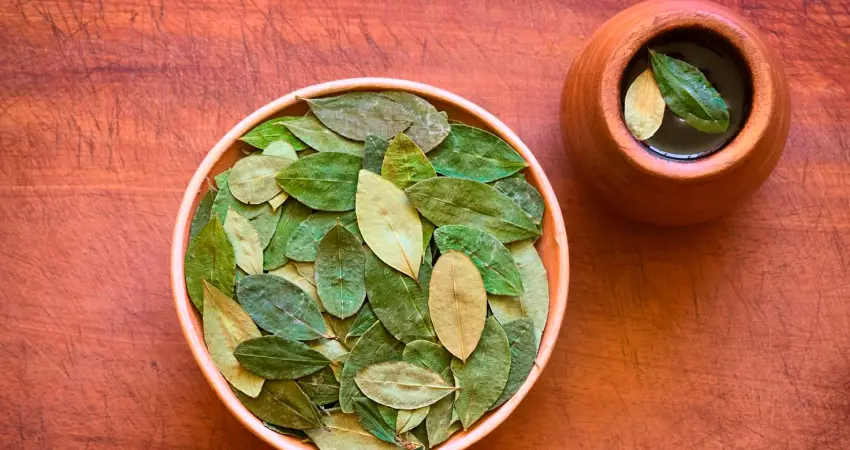
Undoubtedly the most well-known of all its forms, this particular infusion is quite popular in the city of Cusco and surrounding areas thanks to its beneficial properties for first-time visitors, helping the body adapt more easily to high altitudes. It is generally available for consumption in tourist establishments such as hotels, restaurants, and spas, and is often considered a welcome drink.
- Other Products
Another well-known product derived from the coca leaf is coca candy, which can be found in markets around the historic center. This candy has a similar effect to coca tea, but less intense. Other less common derivatives include chocolates, flours, and creams, which are used both for consumption and cosmetic purposes.
All products derived from the coca leaf primarily aim to benefit consumers’ health, especially for medicinal purposes such as combating altitude sickness. They are regularly used when visiting places easily exceeding 3,000 meters above sea level, as these altitudes are characterized by a lower percentage of oxygen, making the physical and mental exertion of travelers much greater. Their use in these situations is something that has been passed down through generations as ancestral knowledge, since all the components contribute to a balanced and stimulating effect on the body. However, it’s important to consider that excessive consumption of coca leaves can be harmful, as this natural stimulant can cause insomnia and hyperactivity.
4.- THE DARK SIDE: COCAINE AND ILLEGAL DRUGS IN CUSCO
Cusco is generally known worldwide as one of the places where the essence of culture and tradition is preserved, making it one of Peru’s most important tourist destinations. However, it’s important to understand that despite its fame and popularity, it is not entirely detached from the impure world of drug trafficking, which generally affects various parts of the country and the world. Of course, these activities, carried out by people with malicious intent, are in no way linked to the local identity. Nevertheless, it is evident how they generate negative impacts that jeopardize the safety of people, harm the local economy, and tarnish the city’s image as a tourist destination.
A very important point is that the city of Cusco is not considered a drug production center. However, due to its popularity and the high percentage of tourists it receives, it becomes a strategic and vulnerable location for drug trafficking and distribution. For this reason, the authorities constantly conduct patrols and controls to combat this illicit trade and restrict all activities that may be related to it in any way. Generally, the people most affected and harmed by these activities are the tourists themselves, who are targeted by scams and deceptions that can constantly endanger their safety, as they associate these activities with the presence of drugs or illicit activities, which often result in legal problems. Drugs in Cusco are frequently found in urban areas where health controls are weaker, making their presence a potential health risk. Another important aspect to understand is that recent patrols and operations have determined that the presence of illegal cocaine within the city is linked to toxic substances, meaning it is adulterated and its consumption can pose a much greater danger than regular use.
5.- TOURISM IS NOT ASSOCIATED WITH DRUGS
“You should keep in mind that despite being a tourist city, there is no leniency regarding drugs in Cusco. In fact, many of the city’s internal rules and laws completely penalize the sale and even the consumption of these substances, especially when they can affect the environment or other people and visitors.”

6.- FAQs (FREQUENTLY ASKED QUESTIONS)
- Is coca leaf legal in Cusco and Peru?
The coca leaf is a natural product that is legal in the city of Cusco and throughout Peru, primarily due to its association with culture and tradition, as its use is part of religious ceremonies and for medicinal purposes. However, this legality does not extend to derivatives that have been processed with chemical elements.
- Can I bring coca tea bags back to my home country?
It is important to understand that coca tea has fabulous medicinal properties for helping the body adapt to altitude and is a natural stimulant. However, taking it to another country is completely prohibited, as the sovereignty of other countries considers the coca leaf a controlled substance, and failure to report it can lead to sanctions, fines, and other legal problems.
- What happens if I’m caught with cocaine in Peru?
Cocaine is considered completely illegal within Peru. In fact, when a person is arrested and found in possession of this substance, they are immediately detained and subjected to legal and criminal proceedings. In the case of travelers arriving from other parts of the world, this can result in pretrial detention and even deportation to their country of origin.
- How long do drug-related prison sentences last in Peru?
Sentences for drug possession always depend on various factors, considering the quantity and the context in which the substance is found. When it’s simply a matter of possession, it can range from a minor penalty to a rehabilitation process. However, when a considerable quantity is involved, criminal charges can be filed, leading to many years in prison.
- Is ayahuasca legal in Cusco?
Yes, in fact, the Ayahuasca ceremony is considered part of the country’s cultural heritage and is used and practiced in various indigenous communities. Of course, there is a legal gray area since it can represent a potential risk. For this reason, all companies that provide this service must have mandatory additional medical assistance.
- Can I get arrested for just being offered drugs on the street?
Generally, no. When someone offers you a product and you don’t accept the offer, it doesn’t imply any risk. However, when an interaction or negotiation is established, it implies a certain responsibility. For this reason, it’s always advisable to ignore it.
Now you have important information about what to avoid during your upcoming trip in 2026. Auri Peru aims to make your experience unique and safe at all times, so we organize suitable experiences that fit your plans. Contact us now and discover that travel should not only be fun but also safe from the very beginning.
“Traveling—it’s the only therapy you can buy.”