

Is Machu Picchu Wheelchair Accessible?
Machu Picchu is partially wheelchair accessible, but it is not a fully accessible archaeological site. A more useful way to think about it is that access depends on a combination of the chosen route, the visitor’s mobility, the wheelchair or mobility aid being used, and the support arranged in advance.
In August 2026, Peru’s National Council for the Integration of Persons with Disabilities (CONADIS) inspected accessibility conditions in Machu Picchu. The institution reported adapted sections and a wheelchair-accessible viewpoint on Circuit 3, which it referred to as the Inclusive Route. It also identified areas for improvement at the main entrance and ramp.
That distinction matters. Being able to enter the sanctuary does not mean being able to reach every temple, terrace, or classic viewpoint. A realistic visit may focus on one manageable section of the site, the surrounding Andean landscape, and the history shared by a knowledgeable guide.
Machu Picchu Accessibility: Quick Facts
| Accessibility feature | What it means in practice |
|---|---|
| Wheelchair access | Possible in certain sections, but not throughout the site |
| Terrain | Uneven stone, steps, narrow paths, and changes in elevation |
| Adapted area | CONADIS identified adapted sections on Circuit 3 |
| Accessible viewpoint | A wheelchair-accessible viewpoint was reported during the 2026 inspection |
| Assistance | Must be discussed and arranged before travel |
| Best planning approach | Confirm each stage separately: vehicle, train, bus, entrance, and visitor route |
A useful planning rule is to treat every transfer as a separate accessibility question. An accessible hotel does not guarantee an accessible vehicle, and assistance at the railway station does not guarantee that the shuttle bus or archaeological route will meet the same needs.
Understanding Machu Picchu’s Accessibility Challenges
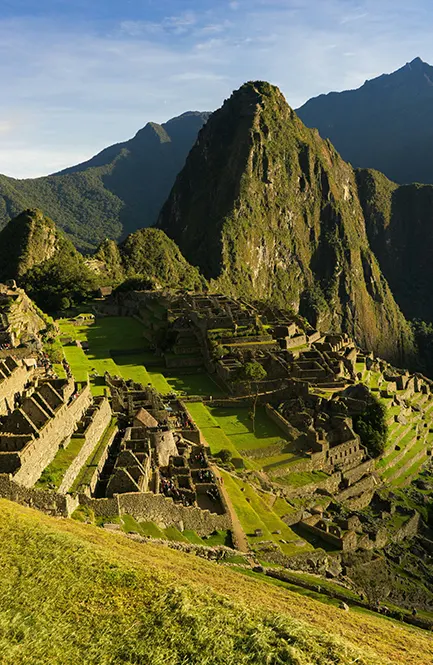
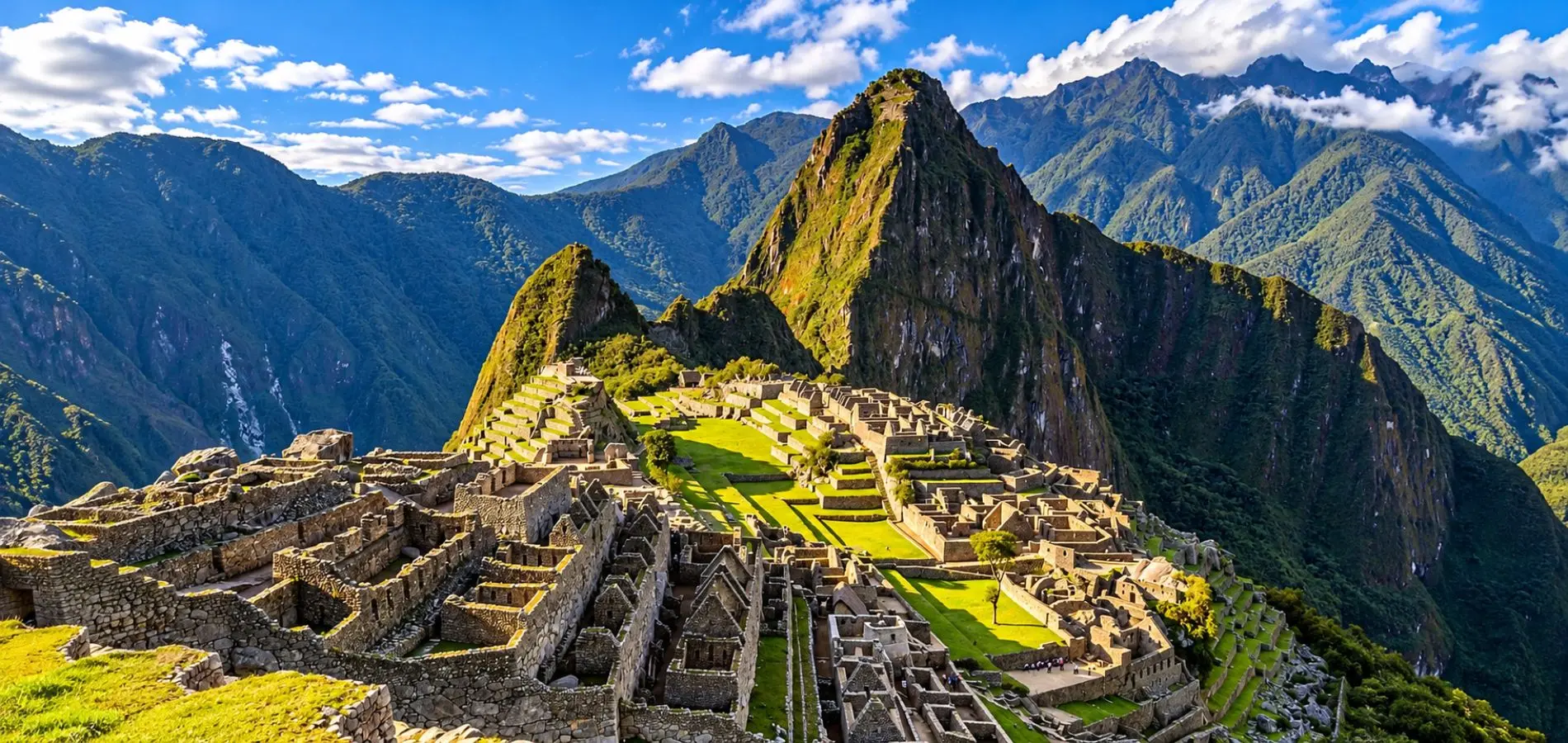
Photos rarely communicate how physical Machu Picchu can feel. The site extends across a mountainside, with agricultural terraces, ceremonial spaces, and residential areas connected by original stone paths. Even a short distance on the map may involve steps, an incline, or a surface that becomes slippery after rain.
Stone Steps, Uneven Paths and Steep Slopes
Many paths are made from irregular stone rather than smooth paving. Wheels may lose traction, walking aids may not sit evenly, and travelers with reduced balance can tire more quickly than expected. Wet weather can make these surfaces more demanding.
For wheelchair users, the challenge is not only the number of steps. Width, turning space, gradient, wheel size, chair weight, and the condition of the ground all influence whether a section is practical. A route that works for a lightweight manual chair may not work for a heavy powered wheelchair.
Areas That May Require Physical Assistance
Some visitors can walk a short distance with support and use a wheelchair for the rest of the journey. Others cannot transfer safely or need to remain seated at all times. These are not minor differences; they determine which vehicles, boarding methods, and visitor routes can be considered.
If a plan depends on lifting a person or wheelchair, ask exactly who will provide that help, how the transfer will be performed, and whether the equipment can be handled safely. It is better to identify an unsuitable arrangement before booking than to improvise on a narrow path or busy platform.
What Wheelchair Users Should Expect
A successful visit does not have to mean covering every corner of the citadel. For many travelers, the most rewarding experience is a slower visit that prioritizes a reachable viewpoint, time with a guide, and the chance to take in the scale of the mountains without rushing between attractions.
Before accepting a suggested itinerary, describe your mobility needs in specific terms. Saying “I use a wheelchair” may not give an operator enough information. Explain whether the chair is manual or powered, whether it folds, its approximate dimensions and weight, whether you can transfer to a vehicle seat, and how many supported steps—if any—you can manage comfortably.
Which Machu Picchu Circuits Are Suitable for Limited Mobility?
Machu Picchu currently has three main visitor circuits divided into specific routes. Tickets are issued for a particular route, so choosing the right one is one of the most important parts of accessible trip planning.
The most popular route is not necessarily the best route for you. The right choice is the one that matches your mobility, offers a realistic experience, and avoids transfers or terrain that cannot be managed safely.
Circuit 3 and the Inclusive Route

Circuit 3, the Royalty Circuit, is the most relevant starting point when discussing wheelchair access. CONADIS reported adapted sections and an accessible viewpoint within this circuit during its August 2026 inspection.
However, Circuit 3 is not a single uniform route. It includes several alternatives, and some involve steep mountain terrain. The Waynapicchu Mountain route, for example, should not be confused with the adapted sections mentioned by CONADIS. A Circuit 3 ticket alone is not proof that the selected route will be suitable for a wheelchair.
Ask for the exact route code and request a clear explanation of the path from the entrance to the accessible viewpoint. If possible, obtain the arrangement in writing so the guide, transport provider, and traveler are working from the same information.
Accessibility Considerations for Circuits 1 and 2
Circuit 1 is known for panoramic views, but reaching its elevated viewpoints generally involves changes in level and stone stairways. These are precisely the features that can make it difficult for wheelchair users and travelers with reduced strength or balance.
Circuit 2 passes through several well-known archaeological sectors and offers a more extensive encounter with the ancient city. It also includes stairs, irregular surfaces, and physically demanding sections. Neither circuit should be assumed to be wheelchair accessible in its entirety.
A traveler who can walk short distances with assistance may have options that are not appropriate for someone who requires continuous wheelchair use. The official list of circuits is helpful, but it does not replace an individual accessibility assessment.
Why Route Selection Matters Before Booking
Entrance availability only tells you that a space is available; it does not tell you whether the route is physically suitable. Before purchasing, confirm the route code, entrance time, expected terrain, approximate duration, presence of steps, and the assistance that has actually been arranged.
Guides can help with pacing, interpretation, and navigation, but they cannot remove physical barriers or authorize access to restricted areas. Check the current route descriptions on the official Machu Picchu website and then discuss the details with the relevant service providers.
How to Get to Machu Picchu in a Wheelchair
Reaching Machu Picchu usually involves several stages: a road transfer from Cusco or the Sacred Valley, a train to Aguas Calientes, and a shuttle bus up to the archaeological entrance. Each stage is operated separately, which is why good coordination matters as much as the entrance ticket itself.
Accessible Transportation from Cusco or the Sacred Valley
Ollantaytambo is one of the main railway departure points. The drive from Cusco can be long, and the transition from vehicle to platform may add another layer of effort. Ask where the vehicle can stop, how far the boarding area is, and whether station assistance has been confirmed.
A private transfer can provide more time and flexibility, but “private” does not necessarily mean “adapted.” If you need a ramp, lift, removable seat, additional luggage space, or room for a powered wheelchair, request the exact vehicle specifications before accepting the service.
For some travelers, staying overnight in the Sacred Valley is a sensible choice. It shortens the journey on the day of the visit and reduces the pressure of combining an early road transfer, train, bus, and archaeological visit in one continuous stretch.
Traveling by Train to Aguas Calientes

The train ride to Machu Picchu is one of the most enjoyable parts of the journey, following the Urubamba River as the landscape changes from high Andean valleys to greener cloud forest. PeruRail and Inca Rail both operate services to Machu Picchu Pueblo, but their assistance procedures and train configurations may differ.
Inca Rail asks passengers who require transfer assistance to request it at least 48 hours before departure. PeruRail provides a dedicated special-assistance contact. Use the operators’ official channels—Inca Rail assistance information and PeruRail special assistance—and arrange support for both the outbound and return journeys.
Ask whether you can remain in your wheelchair during the journey, whether a transfer to a train seat is required, and how the chair will be stored. Powered wheelchairs deserve particular attention because battery type, weight, size, and maneuverability can affect boarding and storage.
Taking the Bus to Machu Picchu’s Entrance

From Aguas Calientes, shuttle buses travel up the mountain road to the entrance in roughly 25 to 30 minutes. Boarding may be the most uncertain part of the journey for a traveler who cannot climb steps or transfer independently.
CONADIS reported discussions in August 2026 about including at least four buses with ramps and suitable conditions for passengers with disabilities. This was a proposed improvement, not confirmation that an adapted vehicle would be available for every departure.
Contact the transport provider before travel and ask a direct question: “Will a ramp-equipped vehicle be available for my date and time, and is it confirmed in my reservation?” Avoid building the itinerary around assistance that has only been described as a possibility.
Machu Picchu Tickets and Accessibility Requirements
Machu Picchu tickets are more than an admission date. They are linked to a route and entry time, so the ticket must fit the transport schedule and the visitor’s physical needs.
Booking the Appropriate Circuit
Official tickets are sold through the Ministry of Culture’s TuBoleto platform. The system asks visitors to choose a circuit, route, date, and entry time.
Do not purchase based only on the photograph attached to a route. First confirm that the selected route corresponds to the adapted section you intend to visit. Ticket rules and availability can change, so review the conditions shown during checkout before paying.
Documents, Disability Policies and Assistance Requests
All visitors need valid identification at the entrance. International travelers generally use a passport, while Peruvian citizens use their national identity document.
If you are requesting a disability-related fare or assistance procedure, ask which document is accepted and when it must be presented. An overseas disability certificate may not automatically be recognized in the same way as Peruvian documentation.
Also remember that a disability benefit, if applicable, concerns admission policy; it does not by itself guarantee a suitable route, an adapted bus, or physical assistance inside the sanctuary. These arrangements need to be confirmed separately.
What to Confirm Before Purchasing Tickets
- The exact circuit and route code
- Whether the route includes the adapted section and accessible viewpoint
- How many steps or transfers the visitor can safely manage
- Whether the wheelchair can be accommodated by the road vehicle, train, and bus
- Who will provide assistance at each transfer
- How much time is needed between the train, bus, and entrance slot
- What happens if an adapted service is unavailable on the day
If any answer is vague, pause before paying. A good accessible itinerary should be clear enough that you can picture each stage of the day, not simply the destination.
Practical Tips for Visiting Machu Picchu with Limited Mobility
The best accessible travel plans leave room for real life: weather changes, slower transfers, fatigue, and the need for breaks. A tightly scheduled day may look efficient on paper but feel exhausting in practice.
Planning Around Weather and Terrain
The wetter period generally runs from November through April, while May through October is usually drier. Our guide to the best time to visit Machu Picchu provides a broader month-by-month overview. Rain is possible at any time of year, and wet stone can become slippery. Drier months may reduce the likelihood of prolonged rain, but they do not guarantee perfect conditions.
Build extra time into the day and avoid scheduling the shortest possible connection between services. If you need assistance to board, disembark, or reposition equipment, a buffer can turn a stressful transfer into a manageable one.
Choosing Appropriate Mobility Equipment
There is no single “best wheelchair” for Machu Picchu. The right equipment depends on the route and the traveler. Manual chairs may be easier to handle during some transfers, while powered chairs provide independence but can be heavier and harder to store.
Before renting or buying specialized equipment, confirm the route conditions and transport limits. Ask about maximum dimensions, weight, folding requirements, and battery restrictions. If the trip involves a temporary or unfamiliar chair, practice transfers and essential adjustments before traveling.
A Practical Packing Checklist

- Rain protection for the traveler and mobility equipment
- A small repair kit appropriate for the wheelchair or mobility aid
- Any required charger, adapter, or approved spare battery
- Medication and essential items kept in hand luggage
- Copies of assistance confirmations and operator contact details
- Sun protection, water, and a light layer for changing mountain weather
For a wider overview, review our Machu Picchu packing list. Keep essential items with you rather than in luggage that may be stored separately. The goal is not to carry everything, but to avoid being without the few items that would be difficult to replace during the day.
Coordinating Assistance and Traveling Companions
A companion can offer reassurance and practical support, but they should not be expected to improvise difficult lifts or manage unfamiliar equipment alone. Discuss the physical demands honestly before the trip and identify where trained assistance is needed.
A private guide can also help set a comfortable pace. For some visitors, spending more time at an accessible viewpoint and less time moving between sectors creates a richer experience than trying to follow a standard group itinerary.
Most importantly, listen to the traveler. Accessible planning should be built around the person’s comfort, choices, and energy—not around completing a checklist of attractions.
Frequently Asked Questions About Machu Picchu Accessibility
Can You Visit Machu Picchu in a Wheelchair?
Yes, certain sections can be visited by some wheelchair users, particularly adapted areas associated with Circuit 3. Access remains limited, and the experience depends on the route, wheelchair, transfers, and assistance arranged in advance.
Is Machu Picchu Accessible for Seniors?
It can be, but age alone is not the deciding factor. Walking tolerance, balance, altitude response, ability to manage steps, and general comfort are more useful considerations. A slower itinerary with fewer transfers and a manageable route can make a significant difference.
Can People with Disabilities Visit Machu Picchu?
Yes, although different disabilities require different planning. This guide focuses mainly on mobility, but visitors may also need to discuss sensory access, communication support, medication, fatigue, or other individual requirements with the relevant providers.
Are There Wheelchair-Friendly Tours of Machu Picchu?
Some operators offer adapted arrangements, but “wheelchair-friendly” can mean different things. Ask what is actually included: adapted road transport, station assistance, train boarding, bus access, equipment handling, guide support, and the exact section of Machu Picchu that can be visited.
Do You Need Assistance to Visit Machu Picchu?
Not everyone needs the same level of support. Some travelers can manage an adapted section independently, while others need help with transfers or uneven terrain. If physical assistance is required, arrange it before arrival and make sure everyone understands the plan.
Planning a Machu Picchu Visit Around Your Mobility Needs
Visiting Machu Picchu with limited mobility takes more preparation, but the objective is not to force a standard itinerary to work. It is to create a visit that feels safe, comfortable, and genuinely worthwhile for the person traveling.
That may mean seeing fewer areas, taking more time, choosing the Sacred Valley as a base, or focusing on one accessible viewpoint. None of those choices makes the experience less meaningful. A thoughtful plan respects both the visitor’s needs and the physical limits of a protected archaeological site.
At Auri Peru, we believe good travel planning begins with listening. If you are considering a journey to Peru, our team can help you explore personalized arrangements, ask the right practical questions, and shape the itinerary around your interests and mobility needs.
Discover how Auri Peru can help you plan a personalized journey through Peru, with realistic expectations and enough flexibility to enjoy the experience at your own pace.