

Yes, Cusco is located relatively close to the Amazon region, so it is normal to encounter mosquitoes in areas with higher temperatures, such as the Sacred Valley or the vicinity of Machu Picchu. Auri Peru provides a comprehensive guide on how to ensure a safe trip during your upcoming vacation. It is important to note that mosquitoes are generally not found within the city of Cusco itself; therefore, this is not a pressing concern, and you can look forward to a peaceful and comfortable visit.
Are There Mosquitoes in Cusco?
During your next trip to Cusco, you might encounter mosquitoes, although they are relatively uncommon within the city itself, unlike in other nearby destinations and landmarks that boast warmer climates and lower altitudes. Cusco sits at approximately 3400 meters (11,000 feet) above sea level; there, cooler temperatures and the high altitude limit the conditions that typically favor the proliferation of large mosquito populations.
However, travelers may encounter the occasional mosquito, especially during warmer periods, after rain, or in sheltered, humid areas. Even so, they generally don’t pose a significant problem when exploring Cusco’s city center, its historic streets, restaurants, or hotels. It’s important to keep this in mind, as conditions in Cusco don’t necessarily reflect those of the entire region, where altitude and climate can vary considerably from one destination to another.
Cusco vs Sacred Valley vs Machu Picchu
The presence of mosquitoes in Peru is often a concern for travelers during the planning stages of their trip—especially for those whose primary goal is to visit Machu Picchu. Consequently, many travelers ask: Are there mosquitoes in Cusco?. The short answer is yes, mosquitoes are present; however, the likelihood of encountering them varies depending on where you are staying or where your activities take place. Across Cusco, the Sacred Valley, and Machu Picchu, there are noticeable differences in altitude, temperature, and vegetation—as well as the presence of water sources, which are essential for mosquitoes to breed in greater numbers and at a faster rate.
| Location | Environment | Relative likelihood of mosquitoes | Repellent recommendation |
|---|---|---|---|
| Cusco City |
An urban center situated at a significant altitude—over 3,400 meters above sea level—which results in a cool, dry climate for most of the year.
|
Within Cusco, the likelihood of encountering mosquitoes is very low. While occasional rainfall can create a warm, humid environment, this does not pose a nuisance to visitors. | Sunscreen is not strictly necessary during your stay or while taking part in sightseeing tours within the city. It is recommended to keep a small insect repellent on hand, particularly during the rainy season or when visiting places with extensive vegetation. |
| Sacred Valley | This unique geographical area boasts an ecosystem that has been ideal for agricultural production since the time of the Incas; the temperature here is noticeably milder than in Cusco. | Depending on the specific location you choose to visit, you may occasionally encounter mosquitoes—particularly in areas with dense vegetation, higher humidity, or near water sources such as rivers. | For outdoor activities in the Sacred Valley where mosquitoes are present, the official Peruvian government portal recommends using products containing 20% to 30% DEET, which provides longer-lasting protection. |
| Machu Picchu | The area is located at a lower altitude—approximately 2,430 meters above sea level—but features denser vegetation and is situated close to cloud forest zones. | Mosquitoes and other insects are much more noticeable here due to the high humidity and frequent rainfall. The number of mosquitoes fluctuates depending on weather conditions and the time of year during which the trip takes place. | Given the humid environment and proximity to cloud forests, the Ministry of Health—via the official government platform—recommends using insect repellents containing 20% Picaridin (also known as Icaridin). This substance is gentler on the skin, which is particularly relevant for travelers choosing to stay in Aguas Calientes. |
When Are Mosquitoes More Common?
In addition to asking, “Are there mosquitoes in Cusco?”, travelers often wonder when mosquito activity is at its peak in the region. Studies conducted by GERESA (Regional Health Management) and MINSA (Ministry of Health) indicate that mosquito presence increases significantly during the rainy season—which spans from November to April—as the resulting humidity creates an ideal ecosystem for insect and mosquito activity.
Many insect species reproduce in similar ways, utilizing pools of water—often formed by rainfall combined with warm temperatures—to breed. This is also typical for mosquito species found in areas with abundant vegetation and high humidity, conditions that allow these insects to remain active for longer periods.
The remainder of the year, from May to October, is considered the dry season. During this time, insect and mosquito activity decreases considerably, eventually becoming almost imperceptible. This is primarily due to a reduction in rainfall, which limits the number of areas with standing water. However, this does not mean they disappear entirely; areas that are frequently irrigated, locations near rivers, or places with artificial water accumulations remain prone to persistent insect activity.
What About Machu Picchu?
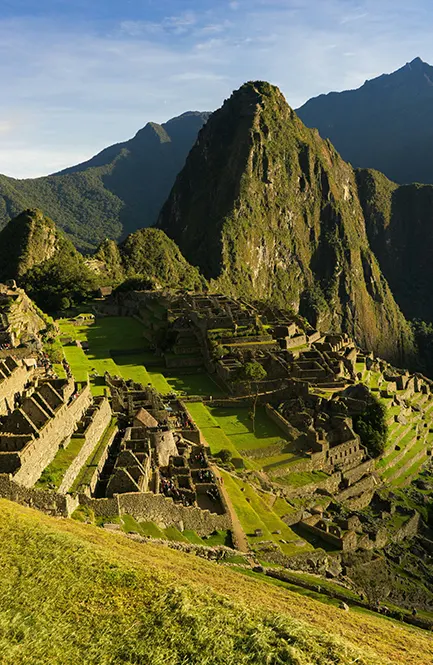
Due to its location, it is natural for Machu Picchu to have an atmosphere and climate that differ from what you might experience in Cusco. Consequently, it is quite common to encounter more insects—such as mosquitoes—during your visit. This wonder of the world is situated at an altitude of 2,430 meters above sea level; its proximity to a cloud forest zone, combined with dense vegetation—a result of its position between the Andean region and the Peruvian jungle—creates an environment that feels very distinct from that of Cusco.
For many travelers, a vacation in Peru centers primarily on a visit to Machu Picchu. It is therefore highly recommended to carry mosquito repellent. This advice is endorsed by both GERESA (Regional Health Management) and MINSA (Ministry of Health) as part of their “safe traveler” guidelines. This is especially important for multi-day trips, as the town of Aguas Calientes—located at the base of the mountain—is surrounded by lush vegetation and situated next to water sources, including the expansive Urubamba River.
Packing Recommendations
Preparing your luggage is one of the most important steps for anyone visiting Machu Picchu. While what you pack will depend on the length of your stay, it is generally best to bring lightweight clothing. To deal with mosquitoes, it is advisable to wear long-sleeved garments and comfortable, lightweight trousers. Additionally, ensure you have sun protection—such as a hat and UV-protective sunglasses—both for your overall stay and for your time exploring the archaeological site itself. Although the area is located near the Amazon region, this does not mean that mosquitoes are always present. Conditions can vary depending on the time of your visit—including humidity levels, temperature, and general weather patterns. Furthermore, because the area surrounding Machu Picchu sits at a lower altitude, there is more abundant vegetation compared to the city, which makes the temperature feel much more pronounced.
Mosquito-Borne Disease: What Travelers Should Know
Mosquitoes are natural vectors for diseases and pose a potential risk to travelers; however, the likelihood of encountering them—or even noticing their presence—varies significantly depending on the specific location you visit. This generally hinges on the altitude and climate of your chosen destinations during your stay in Cusco. According to the CDC Yellow Book, the most common diseases transmitted by mosquitoes include malaria, Zika, chikungunya, and yellow fever—though your level of exposure will always depend on the specific environment where these insects are found.
While many travelers still ask, Are there mosquitoes in Cusco?, it is worth noting that their presence is minimal. The CDC Yellow Book indicates that Cusco, the Sacred Valley, and even Machu Picchu are located at such high altitudes that the risk of contracting diseases like dengue or malaria is negligible. Of course, if your travels take you to lower-altitude areas, the situation changes.
It is also important to remember that the mere presence of insects or mosquitoes during your visit to Cusco does not necessarily mean that diseases are being transmitted there. Travelers should exercise greater caution if their journey continues into neighboring regions—such as the Peruvian jungle—where high temperatures and humidity create an environment conducive to the rapid spread of diseases. In such areas, preventing bites is crucial; it is highly recommended to carry an effective insect repellent, wear clothing that covers most of your skin, and ensure you have received all recommended vaccinations.
How to Prevent Mosquito Bites
Protecting yourself from mosquito bites is quite simple. First and foremost, every traveler should carry an effective insect repellent, which should ideally be applied before heading into outdoor areas characterized by dense vegetation and humidity. As part of its safe travel guidelines, the CDC recommends using repellents containing active ingredients such as DEET, picaridin, IR3535, or oil of lemon eucalyptus, allowing you to enjoy your trip without worry.
Wearing appropriate clothing is also essential for bodily protection. It is advisable to wear long-sleeved shirts or tops, along with full-length trousers that are lightweight and loose-fitting. This minimizes exposed skin while ensuring comfort and coolness when visiting tourist destinations. It is also important to be mindful of how mosquito activity fluctuates throughout the day; some species are more active during the day, while others are more active at night. Consequently, if your travels take you through areas with dense vegetation, gardens, damp zones, or standing water, you should assume that mosquitoes are likely present.
To ensure a smooth trip and avoid unnecessary discomfort, it is best to prepare in advance. It is wiser to purchase the necessary protective items before your departure rather than assuming you will be able to buy them upon arrival. This applies to both lightweight clothing and essentials like insect repellent. While such precautions may not be strictly necessary in Cusco itself—due to its high altitude—they are highly beneficial when exploring surrounding areas, such as Machu Picchu or similar destinations, which sit at lower elevations and feature warmer, more humid environments.
Should You Pack Repellent for Cusco?
Although using insect repellent is highly recommended, the extent to which it is needed depends largely on your specific itinerary or the sequence of activities you choose for your visit. In the city of Cusco, repellent is only occasionally necessary; mosquitoes are rarely noticed there, thanks to the high altitude and cool climate—though it is still wise to carry some as a precaution, especially during the rainy season, when weather conditions can influence insect activity. In the Sacred Valley, however, repellent is much more useful and necessary. The need can vary depending on where you are staying, but since most activities take place outdoors—often amidst dense vegetation or near agricultural areas with nearby water sources—it is best to keep a suitable repellent on hand, particularly if you plan on hiking or trekking.
If your trip includes a visit to Machu Picchu, you should definitely carry insect repellent. This area sits at a much lower altitude, resulting in denser vegetation and higher humidity—conditions that make it more likely you will encounter mosquitoes or other biting insects. Furthermore, if your itinerary extends into the Amazon region, insect repellent becomes an essential safety item rather than an optional accessory; in these areas, mosquitoes are prevalent and will frequently attempt to bite. In short, while using insect repellent is always advisable, the frequency and importance of its use will depend heavily on the specific locations included in your travel itinerary.
FAQs
Are there mosquitoes in Cusco in June?
During the month of June, the presence of mosquitoes goes completely unnoticed; this period is considered the dry season, meaning there is significantly less rainfall and standing water, which in turn keeps the activity of mosquitoes and other insects very limited.
Are there mosquitoes at Machu Picchu?
Machu Picchu, however, sits at a lower altitude than Cusco and features a humid environment rich in local wildlife; consequently, mosquitoes are often present, and visitors should exercise caution during their trip.
Do I need bug spray in Cusco?
If your visit is confined to the city of Cusco itself, mosquito protection is not strictly necessary, as the urban area is located at a considerable altitude—nearly 3,400 meters above sea level—where the cool climate acts as a natural barrier that prevents the spread of mosquitoes. Nevertheless, if you combine your trip with visits to nearby destinations, such as the Sacred Valley or areas with dense vegetation and high humidity, it is very important to carry an effective repellent.
Are mosquitoes worse during the rainy season?
During the rainy season, it is common for water to collect in certain spots—typically near areas with vegetation—which leads to a significant increase in mosquito activity and reproduction.