

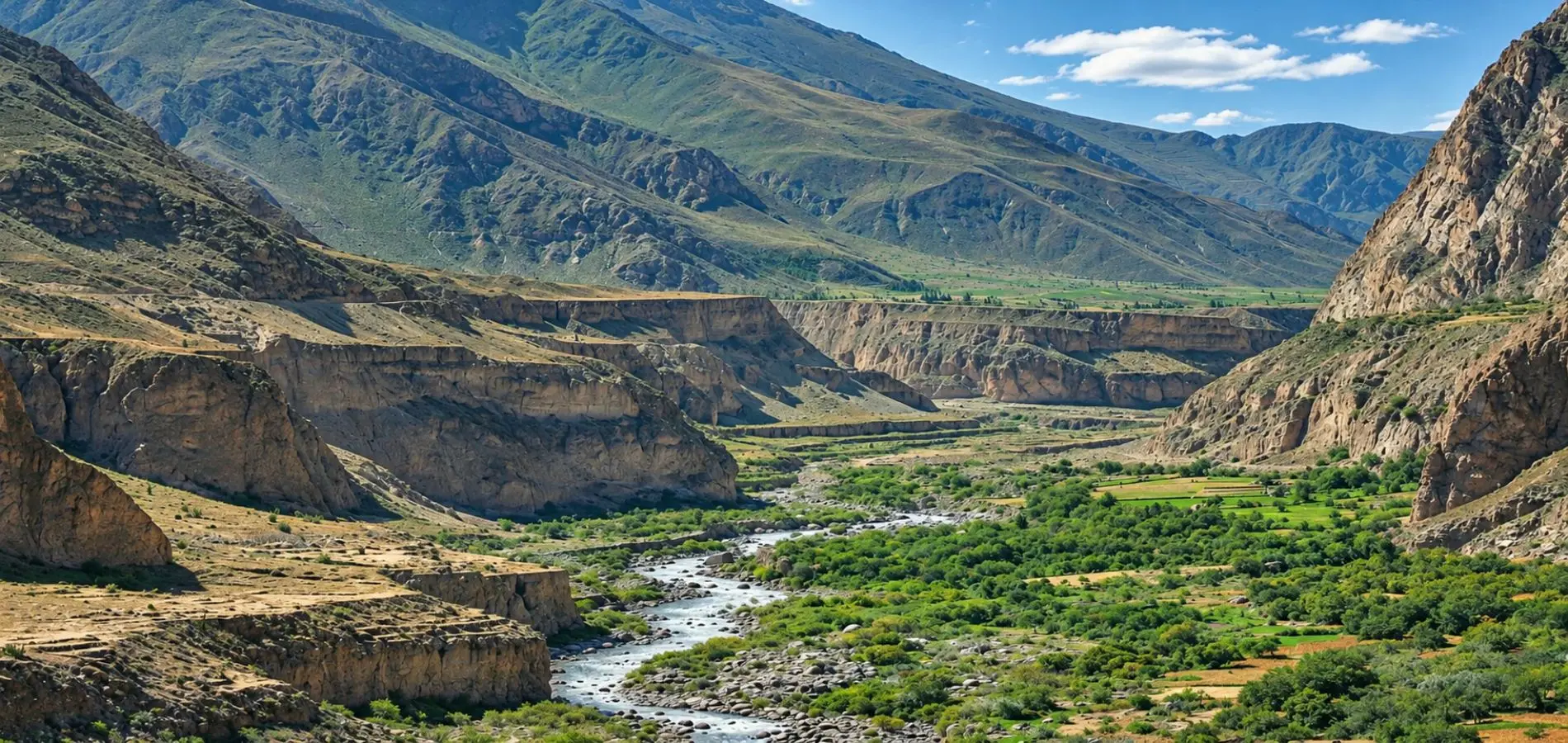
Most visitors to Arequipa head for Colca Canyon. Far fewer continue into La Unión Province, where Cotahuasi Canyon cuts through a landscape of deep valleys, terraced hillsides, and small Andean towns. The canyon belongs to the Cotahuasi Sub-basin Landscape Reserve, an area that protects not just impressive scenery but also the farming traditions and communities that have shaped it.
Cotahuasi is for travelers who enjoy the journey as much as the destination. Getting here means a long drive from Arequipa, and exploring beyond the main town takes time. In return, you can discover places such as Sipia Waterfall, visit traditional villages, and experience a part of southern Peru that deserves a slower itinerary.
Where Is Cotahuasi Canyon Located in Peru?
Cotahuasi Canyon lies in La Unión Province, northwest of Arequipa city in southern Peru. It sits within the Cotahuasi Sub-basin Landscape Reserve, a protected area covering much of the province. The town of Cotahuasi serves as a convenient base, but the canyon and its attractions stretch far beyond its streets.
Where Is Cotahuasi Canyon on the Map?
On a map, find Arequipa city first, then look northwest toward La Unión Province and its capital, Cotahuasi. The canyon forms part of the upper Ocoña River basin, with waterways cutting through steep Andean terrain below Mount Solimana. Remember that a pin for Cotahuasi town does not mark every viewpoint or attraction: you may still need additional road travel to reach the places you want to see.
How Deep Is Cotahuasi Canyon?
Cotahuasi Canyon is often described as roughly 3,500 meters (11,500 feet) deep. Some Peruvian tourism references give a figure of 3,562 meters (11,686 feet). These are estimates of the difference in elevation between parts of the canyon rim and floor, not the altitude of the town. Depth figures can vary depending on where the measurements begin and end.
The surrounding mountains rise much higher than the valley settlements. The reserve reaches approximately 6,093 meters (19,990 feet) near Mount Solimana, while Cotahuasi town is around 2,680 meters (8,793 feet) above sea level. That range helps explain why travelers can experience very different temperatures and landscapes during a single visit.
| Location | La Unión Province, Arequipa region, southern Peru |
|---|---|
| Protected area | Cotahuasi Sub-basin Landscape Reserve |
| Approximate canyon depth | 3,500 m (11,500 ft); MINCETUR also cites 3,562 m |
| Highest reserve elevation | 6,093 m (19,990 ft), near Mount Solimana |
| Geographic reference from Arequipa | Approximately 400 km (250 mi) northwest; not a road-distance estimate |
What Makes Cotahuasi Canyon Special?
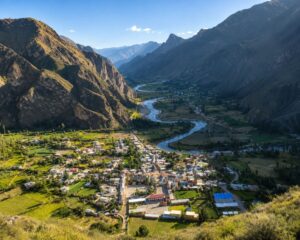
The first thing that sets Cotahuasi apart is its scale. Here, the scenery is not organized around one viewpoint: rivers cut through steep slopes, fields occupy unlikely patches of land, and villages sit between high, often stark mountains. You begin to understand the canyon by moving through it, noticing how the land changes from one part of the valley to another.
A Protected Landscape of Mountains, Valleys and Traditional Villages
Created in 2005, the Cotahuasi Sub-basin Landscape Reserve protects 490,550 hectares (about 1.21 million acres). Peru’s protected-areas authority, SERNANP, describes its purpose as conserving biological diversity, ecosystems, landscapes, and cultural heritage while supporting the lives and activities of local communities. The reserve is both a natural environment and a place where people continue to live and work.
The agricultural terraces, known as andenes, are among the clearest signs of that relationship. Built into hillsides, they show how farming adapted to steep terrain over generations. SERNANP also documents irrigation channels, archaeological sites, native woodlands, and habitats that range from warm valleys to cold highlands. Rather than treating these as separate attractions, look at how they fit together: the same geography that makes Cotahuasi dramatic has also shaped the region’s livelihoods.
How to Get to Cotahuasi Canyon From Arequipa
The journey from Arequipa to Cotahuasi is a substantial part of the trip. You travel from the city into the Majes Valley and then toward higher, winding mountain roads before arriving in La Unión Province. It is best to set aside a travel day rather than try to combine the drive with a full sightseeing program.
Traveling From Arequipa to Cotahuasi by Road
The documented land route follows the Pan-American Highway through the Majes Valley and Aplao, then heads toward Chuquibamba and Cotahuasi. Expect a changing landscape, with agricultural valleys giving way to rugged mountain scenery. The final approach is not comparable to a short highway transfer, so plan rest stops and allow time for slower sections.
MINCETUR’s tourism inventory lists approximately 370.4 kilometers (230 miles) and an estimated seven hours and 30 minutes by public bus from Arequipa to Cotahuasi. Another official tourism reference gives around nine and a half hours by car. Neither figure is a promise for your travel date. Roadworks, weather, stops, and the vehicle you use can all affect arrival time; avoid booking a tight onward connection on the same day.
An interprovincial bus may suit independent travelers, while private transportation can provide more flexibility for stops and onward travel in the valley. Check operators, departure points, ticket arrangements, and luggage policies directly; schedules can change. Even after reaching Cotahuasi town, places such as Sipia Waterfall or surrounding villages may need separate transfers, so ask about that before deciding how many days to stay.
What Should Travelers Know About Road Conditions?
Before leaving Arequipa, check SUTRAN’s interactive road-alert map for restrictions and incidents on the national road network. Rainfall, landslides, accidents, or maintenance can cause delays; smaller local roads may require an additional check with your transport provider or a contact in Cotahuasi. A route appearing on a digital map is not proof that every section is passable.
If possible, arrange your drive around daylight and discuss a backup plan with your driver. Save offline directions, keep water and any necessary medication within reach, and be ready for cooler temperatures as the road climbs. A small delay is easier to manage when the day has not been planned down to the minute.
Best Time to Visit Cotahuasi Canyon
For road travel and outdoor activities, the drier months are generally the easier choice. But there is no single perfect month for Cotahuasi: some visitors prefer clearer skies and easier walks, while others enjoy the greener valley during the rainy season. Because the canyon spans several elevations, conditions can differ between Cotahuasi town, the surrounding mountains, and the roads connecting them.
Dry Season and Rainy Season in Cotahuasi
The relatively dry period usually runs from about May through October or November. Rain interruptions are less frequent, which can make walks, village visits, and photography easier to plan. Days can be sunny, yet evenings and higher places may feel surprisingly cold. Bring warm clothing even if the forecast for the town looks mild.
From roughly December through March, rain becomes more common in the southern Andes. The hills and terraces can look greener, and waterfalls may appear different after periods of rainfall. The trade-off is less predictable road access, slippery paths, and occasional poor visibility. If you travel at this time, keep your itinerary flexible rather than counting on every planned stop.
How Weather Can Affect Your Trip
Weather is especially noticeable when you move between the valley floor and higher ground. Strong sun does not rule out wind or a sudden temperature drop later in the day. Comfortable shoes with grip, layers, rain protection, sunscreen, and enough water will serve you better than packing for just one forecast.
During rainy periods, check the roads again on the day you leave and ask locally about paths to specific attractions. MINCETUR lists Cotahuasi tourism resources as visitable year-round, but that is not a guarantee of uninterrupted access. If conditions change, rearranging a day’s activities is often better than forcing the original plan.
Best Things to See and Do in Cotahuasi Canyon
Cotahuasi’s attractions are scattered across the valley. Instead of racing between stops, choose experiences that match your interests and the time you have. A waterfall and a thermal-bath visit may fill one day when local driving and walking are factored in; more distant villages and scenic routes deserve another.
Sipia Waterfall
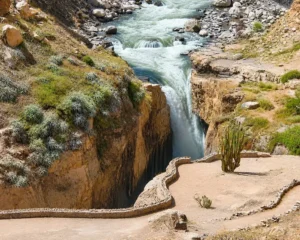
Sipia Waterfall is one of the valley’s most striking natural sights. SERNANP records a drop of about 150 meters (492 feet), with water plunging into a dramatic, rocky setting. The surrounding canyon walls are part of the experience, so it is worth allowing time to take in the view rather than making it a quick photo stop.
Sipia is outside Cotahuasi town, and access may involve a local road and walking. Check how close your vehicle can get, whether the path is suitable for your group, and where visitors can view the waterfall safely. Keep away from unstable edges and avoid assuming that conditions will match photos taken in another season.
Luicho Hot Springs
Luicho Hot Springs offer a relaxing contrast to days spent on mountain roads or walking through the valley. SERNANP identifies Luicho as a popular thermal-spring site with visitor facilities. For travelers staying several days, a stop here can be a pleasant way to slow down and enjoy the surroundings.
Before going, confirm whether the pools are operating, their opening hours, payment arrangements, and what you need to bring; these details may change. Pack a swimsuit and towel if you plan to bathe. If you have a medical condition affected by hot water, check with a healthcare professional before using the pools.
Traditional Villages, Agricultural Terraces and Andean Culture
Villages such as Tomepampa and Alca help tell the story of Cotahuasi beyond its canyon walls. This is a working rural landscape, where terraces, irrigation channels, and historic settlements reflect generations of Andean farming. The value of a village visit is often in noticing ordinary details—the layout of the fields, the materials used in buildings, and the way communities adapt to the terrain.
Be considerate when you visit. Fields and homes are private spaces, and residents are going about their day rather than performing for tourists. Ask before taking someone’s photograph, follow local guidance, and give yourself enough time to enjoy a visit without disrupting community life.
Hiking, Landscapes and Photography
For photographers, Cotahuasi offers much more than a single panoramic shot. Terraces trace the slopes, rivers bend around rocky ridges, and the highlands open onto broad mountain views. SERNANP also records lagoons, unusual rock formations, and mountain scenery around Solimana and Firura. The light and landscape change as you travel, rewarding anyone who is willing to stop and look.
For walking, choose a route based on distance, altitude, and the condition of the trail—not simply how appealing the view looks in a photograph. A short village path and a high-altitude hike are very different outings. Ask local guides or reserve staff which walks are suitable, carry water, and allow time for the ascent and return.
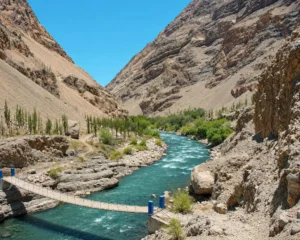
Cotahuasi Canyon vs. Colca Canyon: Which Should You Visit?
Cotahuasi and Colca Canyon are both in the Arequipa region, yet they suit different itineraries. Colca is easier to fit into a shorter trip: Peru’s official tourism website estimates around three hours from Arequipa to Chivay and another hour to the Cruz del Cóndor viewpoint. Getting to Cotahuasi takes considerably longer, and its attractions are more spread out.
If seeing Andean condors at established viewpoints is a priority, Colca may be the simpler choice. Cotahuasi suits people who can devote several days to villages, terraces, waterfalls, and wider mountain scenery. Neither is automatically the better canyon; the decision comes down to your interests, available time, and appetite for a longer overland journey.
| Comparison | Cotahuasi Canyon | Colca Canyon |
|---|---|---|
| Travel from Arequipa | About 370 km to Cotahuasi town; MINCETUR lists roughly 7 hr 30 min by bus | About 151 km / 3 hr to Chivay, then 42 km / 1 hr to Cruz del Cóndor (official tourism estimates) |
| Best for | Multi-day exploration of protected landscapes, villages, terraces, waterfalls, and hot springs | Shorter itineraries, established viewpoints, and potential condor watching |
| Planning considerations | Longer approach, dispersed attractions, and additional local transfers | More straightforward access to key viewpoints; conditions and schedules still require checking |
| Suggested travel style | Unhurried, flexible, multi-day stay | More accessible short excursion or overnight visit |
How Many Days Do You Need to Visit Cotahuasi Canyon?
Three to four days from Arequipa is a realistic starting point for a Cotahuasi trip. One day is largely spent getting there and another returning, so a two-day round trip allows almost no time to explore. Three days gives you one substantial day in the valley; a fourth creates breathing room for another excursion or a slower pace.
Planning a Multi-Day Visit From Arequipa
For a three-day visit, use the first day to travel from Arequipa and settle into Cotahuasi town. Spend the second day exploring one or two attractions that work together geographically, depending on local transport and conditions—perhaps Sipia Waterfall or Luicho Hot Springs. Plan the third day for the return trip. Treat this as a framework, not a fixed package or a guaranteed timetable.
With four days, you could add time in a village, walk among the agricultural terraces where access is permitted, or arrange a scenic outing with a local guide. The extra day also provides breathing room if a road transfer takes longer than expected. Avoid booking a flight immediately after the return drive.
Where to Stay and What to Prepare
Cotahuasi town is a practical place to look for accommodation and arrange local transport. MINCETUR lists lodging and restaurants in the area, but published inventories do not confirm that a particular business is currently open or has rooms. Contact your lodging directly about hot water, heating or blankets, meals, check-in arrangements, and payment methods before making the long journey.
Bring sturdy walking shoes, layers for cool evenings, a lightweight rain jacket, sunscreen, and any regular medication. Cash can be useful when electronic payments are unavailable, and downloaded maps help when mobile reception drops. If you plan higher-altitude walks, allow time to adjust and be realistic about your fitness. A little preparation gives you more freedom to enjoy the trip.
Can You Include Cotahuasi Canyon in a Private Peru Itinerary?
Cotahuasi can fit into a private journey through southern Peru, especially for visitors who want something beyond a standard sightseeing route. The important question is not whether it can appear on an itinerary, but whether there is enough time to reach it and enjoy it. Its distance from Arequipa makes it better as a planned multi-day section than as an extra stop squeezed between other destinations.
Planning a Tailor-Made Journey Through Southern Peru
Travelers returning to Peru, photographers, and people interested in rural culture may find Cotahuasi particularly appealing. Families or small groups may also value the flexibility of a private plan, provided the road journey and activities suit everyone. Before committing, discuss the number of travel days, accommodation standards, walking expectations, and the transport needed beyond Cotahuasi town.
If you are considering Cotahuasi, you can ask Auri Perú to evaluate whether the destination could work within a personalized southern Peru itinerary. Share your dates, interests, and preferred pace, and request a clear assessment of transport, guides, accommodations, and local access. Auri Perú has not been confirmed here as an operator of a dedicated Cotahuasi tour, so no service should be assumed available until the team confirms it.
Frequently Asked Questions About Cotahuasi Canyon
Where is Cotahuasi Canyon?
Cotahuasi Canyon lies in La Unión Province, in southern Peru’s Arequipa region. It forms part of the Cotahuasi Sub-basin Landscape Reserve, a protected area of mountain valleys, villages, and agricultural terraces. The town of Cotahuasi is a useful base for visiting nearby attractions, although the canyon and the surrounding reserve extend well beyond the town itself.
How deep is Cotahuasi Canyon?
Cotahuasi Canyon is often described as approximately 3,500 meters (11,500 feet) deep; a Peruvian tourism inventory gives a figure of 3,562 meters (11,686 feet). These measurements refer to vertical relief, not altitude above sea level. Different reference points can produce different depth estimates, so the number is best understood as an approximate geographic measurement.
How do you get there from Arequipa?
You reach Cotahuasi by road from Arequipa, generally traveling through the Majes Valley, Aplao, and Chuquibamba. A MINCETUR inventory describes a bus route of approximately 370 kilometers (230 miles), with a published estimate of seven and a half hours. Allow more time for delays, and confirm transport schedules and road conditions shortly before departure.
What is the best time to visit?
The drier months, generally May through October or November, are often more convenient for road travel, walking, and outdoor photography. From December through March, rainfall tends to increase and the valley can look greener, but some routes may be more difficult. Check current forecasts and access conditions rather than assuming that seasonal patterns guarantee good weather.
How many days should you spend there?
Plan around three or four days from Arequipa if you want time to explore rather than spend most of the trip in transit. A three-day visit leaves one main day for nearby attractions between the outward and return journeys. An additional day allows a slower pace, more village stops, or flexibility if weather affects travel.
Is Cotahuasi Canyon worth visiting?
Cotahuasi is worth considering if you enjoy dramatic Andean landscapes, rural communities, traditional farming terraces, and places that require a little more effort to reach. It is less suitable for a tightly scheduled day trip from Arequipa. The experience is most rewarding when you can travel slowly and arrange local transport or guidance suited to your interests.
Can you arrange a private trip to Cotahuasi?
A private itinerary may be possible, but transport, guides, lodging, and access must be checked for your travel dates. You can ask Auri Perú to assess whether Cotahuasi could be included in a personalized journey through southern Peru. This is an inquiry, not confirmation that the company currently operates a dedicated Cotahuasi Canyon tour.
Final Thoughts: Is Cotahuasi Canyon Worth Visiting?
Cotahuasi will not suit every Peru itinerary—and that is part of deciding whether it is worth visiting. If you want a quick, easy excursion from Arequipa, the travel time may outweigh the time you have on the ground. But if you enjoy long landscapes, working Andean villages, and exploring without rushing between famous stops, the journey can be a memorable part of your trip.
Give Cotahuasi the time it deserves, check logistics before departure, and choose a few experiences that genuinely interest you rather than trying to see everything. If you are building a custom journey through southern Peru, Auri Perú can review your ideas and assess whether Cotahuasi is feasible for your dates; transport and other services would still need to be confirmed individually.