

1.- WHY PERU IS A WORLD-CLASS TREKKING DESTINATION?
Peru is recognized worldwide for the incredible tourist experiences it offers, but it stands out for offering the opportunity to experience a Peru Hiking Trip thanks to its incredible geographical diversity. This has allowed it to be classified as one of the preferred destinations for hiking enthusiasts, boasting some of the most important treks in the world. These treks not only combine an ideal array of natural and dreamlike landscapes, but also a complete immersion in the cultural heritage that blends almost seamlessly with every step. Whether traversing the high mountains of the Andes or visiting various strategically located archaeological sites, the Best Treks in Peru represent a connection with ancient civilizations as well as a convenient way to safely disconnect from the world.
1.1.- Diversity of Landscapes
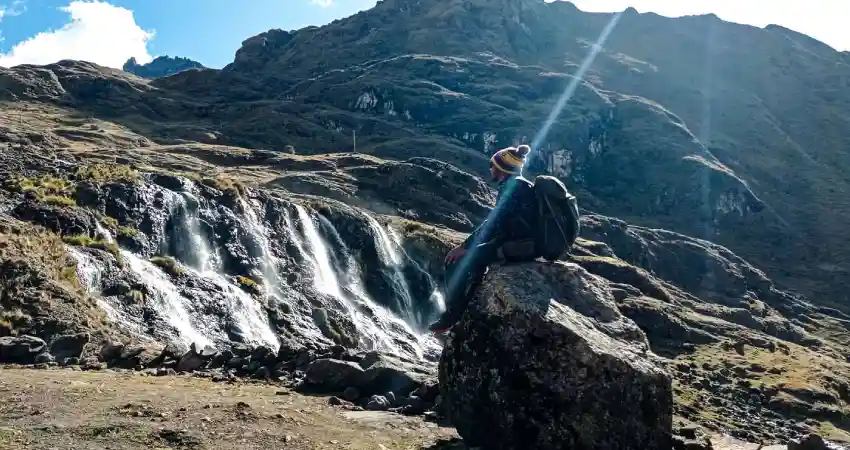
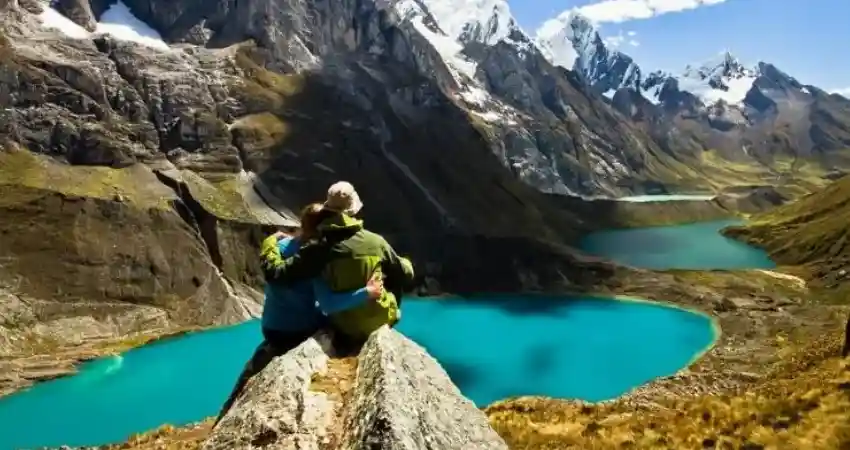
The most important thing to understand is that the Best Treks in Peru are primarily located around the country’s backbone. This means they are traditionally made up of the interior of the Andes mountain range. This is the main point where many routes and trails connect, allowing some to be easier and others to be challenging, creating an ideal environment for hiking and trekking enthusiasts. There are alternatives that can be done on a paved road and others that offer a deeper immersion in nature, such as Ausangate, Huayhuash, and even the extensive Salkantay Valley. In their own way, each of the Best Treks in Peru can easily represent a challenge, as they easily exceed 4,000 meters above sea level. However, the reward of unique views of snow-capped mountains, vast glaciers, and deep valleys is worth it.
1.2.- Connecting Regions
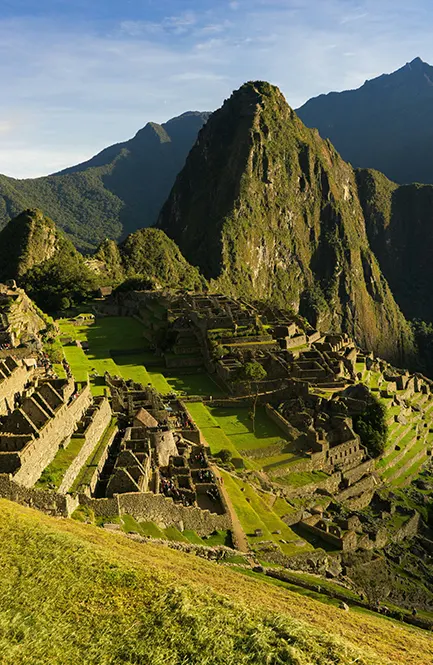
It’s also easy for a Peru hiking trip to offer you the opportunity to transition between regions, as many of the trails lead to incredible places like the world wonder of Machu Picchu. It’s not uncommon to see the transition between the mountains and the jungle, where cloud forests are more prevalent, creating a unique atmosphere and environment that serves as a natural ecosystem that has adapted to an incredible and ever-expanding biodiversity. Among these alternatives, and leading the list of the best treks in Peru, is the Inca Trail, which showcases this type of ecosystem and is also known for its wide variety of orchids, giant iguanas, and countless bird species, such as the hummingbird or Peru’s national bird, known as the cock-of-the-rock.
Many trails and paths lead to unique and impressive places such as the Choquequirao citadel, which resembles the Inca city of Machu Picchu in structure. There are also other options such as Kuelap in the Amazon region and the Huayhuash snow-capped mountains, part of the Andes near the north. In more than one sense, each of these destinations represents more than a historical purpose. In fact, being a remote landscape, it also represents a great opportunity to learn more about the culture and traditions that remain alive even with the passage of time and different generations. Its purpose is also to connect world travelers with diverse communities in search of promoting their cultural interest and spreading the traditions that have been inherited for generations since the origin of the Quechua and Aymara communities. This type of activity is known as rural tourism and is mainly characterized by being a space where traditions such as language, lifestyle, clothing, and ancestral knowledge techniques can be shared. In some special cases, it is also possible to participate in many ceremonies and even festivities that align with the Andean calendar and to this day are a fundamental part of their way of life, which is why it is recognized as an Andean worldview.
2.- THE CLASSIC INCA TRAIL TREK
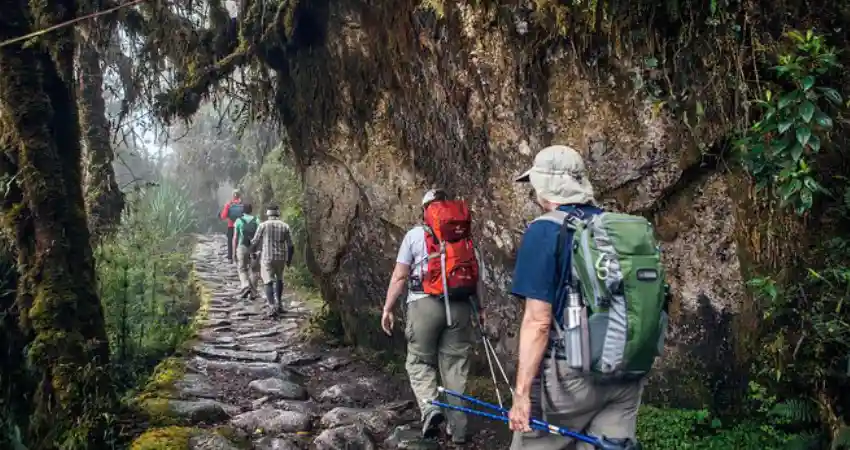
Our list of the Best Treks in Peru begins with the Inca Trail. The traditional version, also known as the classic four-day Inca Trail, is considered one of the most popular and iconic treks in the world. It allows travelers to enjoy not only the Andean landscapes but also the interaction and immersion within a cloud forest. As each day progresses, they can appreciate different archaeological sites of Inca origin, eventually reaching the Inca city of Machu Picchu, classified as a World Wonder. The adventure represents more than just a physical challenge; in fact, many people claim it is also a spiritual journey. In more than one way, each participant has the opportunity to walk the same trails used during the Inca culture, allowing them to overcome the challenge of the high mountains and explore each of the strategic archaeological sites, even reaching the mysterious Gate of the Sun during sunrise on the fourth day.
2.1.- Traditional Inca Trail Route
- The first day begins the experience in the city of Cusco, arriving early enough to board a transport and arrive first at the traditional village of Ollantaytambo. Here, we make a strategic stop to purchase the necessary items for our luggage. We then continue along a road until reaching kilometer 82, also known as the village of Piscacucho. This is the most important point as it is where the trekking experience begins. Here, we first inspect the equipment we will use for the next four days. We then meet the support team, which consists of a professional guide, a cook, and a group of porters who are responsible for carrying most of the luggage. After getting everything ready, the gradual ascent begins to enjoy the adventure, reaching first the archaeological site of Llacqtapata and then a gentle descent to the town of Wayllabamba, where the camping equipment is waiting to spend the first night. The first day is approximately 11 km long, reaching an average altitude of 3,000 m above sea level as the highest point.
- The second day’s adventure begins after breakfast. This is considered the most challenging day, as the climb to the highest point of the entire hike, also known as the Abra Warmiwañusca, is located at 4,215 m above sea level and for many travelers, represents the greatest challenge due to the distance to be covered. According to Andean belief, the name of this place means Dead Woman’s Pass, since the silhouette of the mountain has this appearance, making it a symbolic place representing Mother Earth. Upon reaching the highest point, you can enjoy some quality time to rest and take photographs. Then, you begin the long descent to the next campsite, also known as Pacaymayo. This campsite is located within a cloud forest in a valley. This is a hot day where you can enjoy sharing your achievements. In total, you walk around 12 km, and for many, it is a great encouragement to have overcome them.
- The third day is known as the longest, as it involves walking approximately 15 km, a great challenge for most travelers. However, distance aside, it represents a day of complete immersion in culture and history, as you get to know very special and strategic archaeological sites such as Runcurakay, Sayacmarca, and Phuyupatamarca. Upon reaching this last point, a new challenge begins as it is time to descend through a large collection of steps carved into the rock itself, giving way to the next camping point also known as Wiñaywayna. This is the archaeological center closest to the Inca city of Machu Picchu and stands out mainly for the immense number of terraces that are believed to have been used for agricultural This is the camping point for this day.
- On the fourth day, the initial goal is to start fairly early to ascend to the Sun Gate. The goal is for travelers to have the opportunity to appreciate the sunrise and see the first rays of the sun bathe the Inca citadel of Machu Picchu, as this is also a natural viewpoint where a small archaeological site with remains of Inca architecture is located. A Peru Hiking Trip becomes perfect when reaching this point, as it also serves as a journey back in time to enjoy this world wonder. The hike then continues following the trail to reach the Citadel. Usually, you must first reach the control gate to follow a process established by the Peruvian government and then begin the guided tour inside the citadel. At the end, you board a tourist bus that will take you to the town of Aguas Calientes, where the train station is also located, allowing you to finally return to the city of Cusco. This is the most exciting and least demanding day, as you walk around 5 km in total.
2.2.- Optional Inca Trail Route
The Inca Trail is a popular hike in Peru, however, thousands of travelers lack the time to tackle the challenge for four days. For this reason, a much more accessible alternative version was designed, cutting the time in half. This two-day version allows travelers to experience the last part of the traditional route, reaching the last archaeological site and also allowing them to enter through the mountains.
- The first day of this experience begins similarly to the traditional worship experience. First, you embark on a journey from the city of Cusco to the traditional village of Ollantaytambo. However, here, you must first continue on one of the train options to kilometer 104, where a strategic stop is made so that all travelers looking to enjoy this Peru Hiking Trip can begin their adventure. Upon disembarking, each traveler begins inspecting their luggage to ensure everything is in order. Accompanied by a professional guide, they begin the tour. First, they visit the archaeological site of Chachabamba, located quite close to the starting point and where the ascent to Wiñayhuayna begins, always taking strategic breaks. Then, they continue to the Sun Gate, where many travelers can appreciate the sunset and see the last rays of the sun disappearing into the Inca city. They continue along the same path to reach the checkpoint and board the tourist bus that takes them back to the town of Aguas Calientes, where they can delight a quiet night in one of the tourist hotels and recharge their batteries.
- The second day is the most exciting, it begins by boarding a tourist bus to the top of the mountain where a process of control of the documents that prove the entry in addition to personal documents such as the passport, then the guided adventure begins in one of the 3 circuits chosen in the company of our professional guide, this visit traditionally lasts around 2 hours and 30 minutes however it can always be extended a little more depending on time planning, this visit allows travelers to learn more about the importance that this citadel had during the time of the Inca culture, at the end you descend again to the town of Aguas Calientes to board a train that allows you to return to Cusco again.
2.3.- Permits and Reservations
Of all the Best Treks in Peru, the Inca Trail in particular is the most regulated, as it has a fairly strict control protocol established by the Peruvian government in conjunction with SERNANP, which is responsible for regulating natural areas. A limit of 500 spaces has been established for each day, regardless of the trek style, whether for the traditional four-day trek or the shorter two-day trek. However, it is important to consider that these 500 spaces also include the support team, cooks, and even the guides. By reducing the spaces, it is estimated that around 200 to 300 travelers enter per day. For this reason, it is very important to reserve at least four months in advance to secure the space you need, as this ticket is only provided through an authorized agency that has a direct agreement with the Ministry of Culture and SERNANP; it is not possible to book independently.
2.4.- Best Times to Hike
One of the best tips you’ll undoubtedly receive is information on the Best Time to Trek in Peru. The Inca Trail is open year-round, except for February, which is considered the rainiest month and also the time when the trail undergoes maintenance. However, the peak season for damage is undoubtedly during the dry season, which occurs between May and October each year. These months are ideal because rainfall is very low, so the trail is often dry and easier to navigate, and the risk of slipping or accidents is reduced. However, these months are quite popular with travelers, so advance booking is always a must.
3.- HISTORICAL HERITAGE
“Most of the best treks in Peru are located primarily in the city of Cusco. This network of trails was originally created by the Inca culture and was called the Qhapaq Ñan. It extends not only through the ancient capital of this culture but also through many of the country’s most popular archaeological sites, as it was once part of the Tawantinsuyu empire.”
4.- ALTERNATIVE TREKS TO MACHU PICCHU
It’s normal that when looking for a hiking activity in Peru, availability may run out, so it’s necessary to look for alternative options that allow travelers to enjoy a unique and wonderful environment. Various options have been designed to replace the Inca Trail experience, with the most popular being three from which you can choose.
4.1.- Salkantay Trek
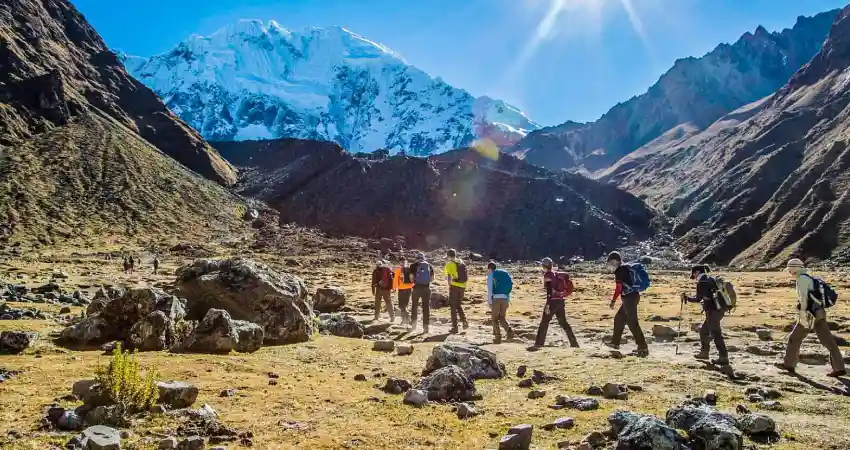
This is one of the most amazing alternative adventures you can find after the Inca Trail experience. It is considered an alternative route that offers a similar experience for travelers seeking to explore the Inca city of Machu Picchu. However, here you face two new challenges. The first is that the adventure begins at the base of an immense snow-capped mountain, also known as Salkantay, which has a total height of 6271 m above sea level at its highest point. This way, the adventure through the Salkantay Valley allows travelers to enjoy special landscapes full of excitement. As the trail progresses, you can feel a noticeable change in the environment, as the panorama of extensive landscapes of snow-capped mountains changes to a warm cloud forest inhabited by multiple local communities, ultimately reaching Machu Picchu.
There are several options to choose from, but the traditional version of this adventure lasts a total of five days, allowing this time to serve as a moment of disconnection from the world and immerse yourself in the beauty of the Peruvian Andes and enjoy a unique adventure. One of the most impressive aspects of this adventure is that it sets a new record for altitude for many travelers, as the highest point of this adventure is located at 4,650 meters above sea level, also known as the Salkantay Pass. In addition, the opportunity to appreciate the biodiversity is incredible, as you can see multiple varieties of orchids, exotic birds, and even, on occasion, the spectacled bear. Within Andean beliefs, this place holds great importance, as it was considered a sacred mountain, the protector of this entire trail and to whom constant respect should be paid.
- Permits and Reservations
Unlike the traditional Inca Trail, this experience is not subject to availability, so no special permit is required to enjoy it. However, you do need an entrance ticket to visit the Inca citadel of Machu Picchu, which you can book directly on their website. This is one of the few adventures that can be done directly; however, it is not recommended, as having the support of a travel agency is always the best option if you need any assistance at any time.
- Best time to do it
It’s important to know that the Salkantay trek is available to travelers year-round, and there’s no month restriction as is the case with the Inca Trail. However, it’s very important to consider that due to the altitude at which this trek is located, rain can easily turn into a snowstorm, making it more challenging and even dangerous. This occurs primarily during the rainy season, which runs from November to April each year. For this reason, it’s important to plan your trip during the dry season, which runs from May to October, allowing for clearer skies and a lower chance of rain during the trek.
4.2.- Choquequirao Hike
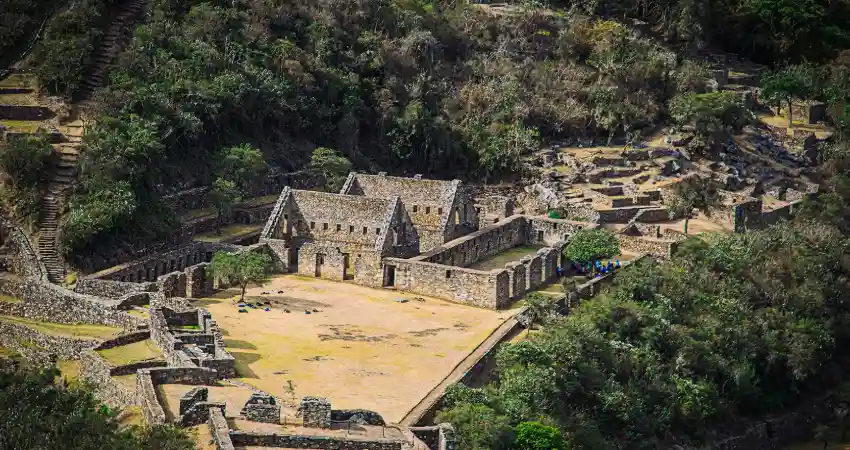
This experience, also known as the adventure to discover Machu Picchu’s sister city, Choquequirao is an archaeological site located atop a large mountain and considered one of Peru’s most incredible adventures. However, due to its low popularity, it is less frequented. This is also part of its charm, as it has fewer visitors, allowing for a more unique experience, even rivaling the Inca city of Machu Picchu. Despite its discovery, it is still partially excavated, but it still provides a sensory experience that seeks to convey its mysticism. Thanks to the low number of travelers, its location deep in the canyons and mountains makes it even more special.
This experience has various options, however, the traditional version is a four-day adventure that allows travelers to undertake an extensive trek to finally reach this archaeological site. Unlike many other routes, this route does not end with a visit to Machu Picchu. However, there is a more extended version that can last up to eight days and connects the traditional route through the Yanama and Lucmabamba sectors. Historically, this site is classified as an administrative center, but with ceremonial significance in religious aspects, so its architecture resembles terraces used for agricultural and support purposes, as well as various spaces classified as main plazas where vegetation has flourished.
- Permits and Reservations
Unlike the traditional Inca Trail, this adventure does not require a special entrance ticket, so it can be easily completed. However, it is important to consider that logistics may be required to enjoy it. The remote location is typically very rustic, making it necessary to bring adequate camping gear to cope with the night. Cell phone reception is also very weak, so it is important to have adequate equipment. This adventure is recommended only with an authorized travel agency, as the assistance of a professional guide is always necessary.
- Best time to do it
Unlike other hiking experiences, this adventure presents a much more challenging geography, as there are sections of the trail where you can experience very steep climbs. The same applies to the return journey. Therefore, during the rainy season, which occurs between November and April each year, the experience is not recommended. However, the opposite is true during the dry season, when the weather is much more stable and rainfall is less frequent. This experience is highly recommended, as it offers a great combination of adrenaline, culture, history, and immersion in nature.
4.3.- Lares Hike
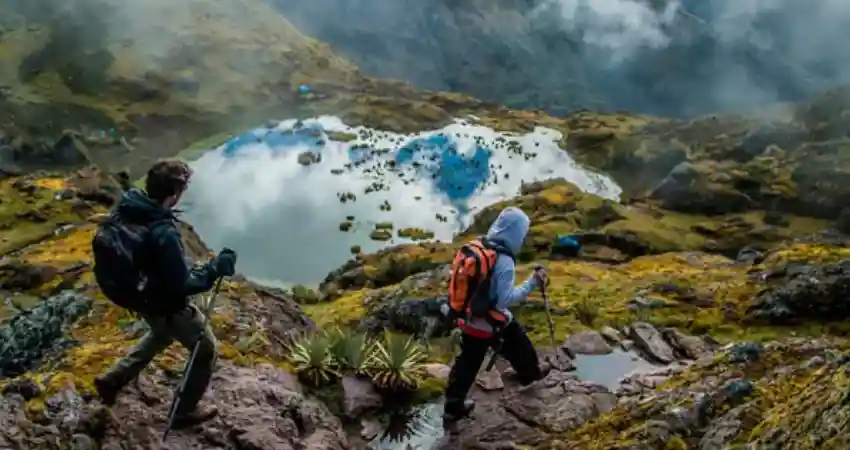
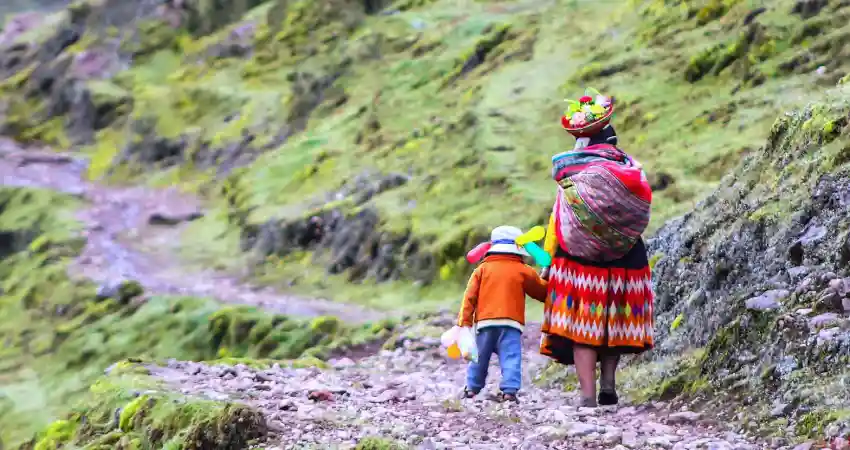
There is also an alternative for travelers looking not only to immerse themselves in a hiking experience but also to establish a closer connection with the culture. The Lares Valley experience is a perfect way to connect with Andean communities who have developed their lifestyles high in the mountains, quite close to various archaeological sites. This experience seeks to strengthen this connection in a more special way, frequently promoting close interaction with local people to promote and keep alive customs passed down for generations, primarily textiles.
During this tour, you can visit various communities of traditional origin such as Patacancha, Huacahuasi, Cancha Cancha, and others, which show a real side of Andean life. During the experience, you will interact with local families to learn more about their customs, participate in daily activities, and have the opportunity to spend a night in a family home. However, one of the most important aspects of this hike is the opportunity to visit the natural hot springs located in the high mountains. These springs contain many minerals that soothe the body after a long day of hiking. You also have the opportunity to appreciate other aspects of Andean nature, such as waterfalls, lagoons, and incredible Andean passes located in the highest areas of the Andes. Traditionally, this experience has a four-day version, allowing travelers to hike an extensive trail through the mountains and at the same time have the opportunity to reach the Inca citadel of Machu Picchu.
- Permits and Reservations
As this is a natural area, a special ticket is not required. However, a visit to Machu Picchu is included in the itinerary, so it is important to have the necessary documentation for this. This includes booking your entrance ticket in advance, as well as train information from the Ollantaytambo station. It’s a more flexible experience that you can delight with a travel agency, which can help you with complete planning and logistics, taking the hassle out of it.
- Best time to do it
Due to its location in a remote area, the weather is often one of the biggest challenges, so it’s important to plan this adventure during the dry season, as this is much more stable and doesn’t bring unexpected rain, making the route safer. This also helps a lot with the details of your stay, as during certain times of the year, a phenomenon known as frost occurs in these areas, where the temperature drops drastically, even to many degrees below zero, which complicates the experience and makes it much more challenging.
| “The world is a book, and those who do not travel read only one page.” |
5.- FAQs FOR BEST TREKS IN PERU
- What is the most popular trek in Peru?
There is no doubt that the most popular hiking experience in Peru is the Inca Trail, which leads travelers through the mountains to the Inca citadel of Machu Picchu. This adventure has a traditional four-day version that allows you to enjoy diverse Andean landscapes while also visiting various archaeological sites, reaching Machu Picchu. There is also a shorter two-day version, which is recommended for travelers who don’t have much time in their plans.
- How difficult is the Inca Trail trek?
It is of moderate difficulty but sometimes demanding, as there are sections of the trail that are long and ascending, as well as others that are steep descents. It should also be noted that the highest point of the entire experience is 4215 meters above sea level, which is a great challenge for many, as they may experience some symptoms of altitude sickness if their bodies have not adapted properly.
- Do I need a permit for Peru treks?
Depending on the chosen destination, in the case of the Inca Trail, a special permit is required, issued by an authorized travel agency with a valid agreement with the Ministry of Culture, and 500 free spaces are provided daily. On the other hand, other experiences, such as Choquiequirao, do not require a special entrance ticket. However, others, such as Salkantay and Lares, also have Machu Picchu as their destination, so only an entrance ticket is required.
- What is the best time to trek in Peru?
It is always recommended to plan your trek during the dry season, which occurs between May and October each year. This is mainly because the weather becomes more stable, allowing the trail to be more accessible without the risk of slippery sections that could complicate the experience.
- How much do Peru treks cost?
There are various prices to choose from, and they almost always depend on the travel agency you choose. On average, each trekking adventure has a different price, also due to the duration and logistics involved. The Inca Trail (from $700.00 per person), the Short Inca Trail ($450.00 per person), Lares (from $400.00 per person), Salkantay (from $350.00 per person), and Choquequirao (from $500.00 per person).
The next step is to choose the type of adventure that best suits your needs. Each experience offers a new way to appreciate the magic of Peru. Auri Peru is one of the few companies that offers a hiking adventure following a safety protocol in addition to implementing sustainable practices, so your trip will not only be fun but also responsible. Contact us now and we will design a more personalized adventure for you.
“Go see the world before it’s too late.”