


1.- WHAT IS LOMO SALTADO?
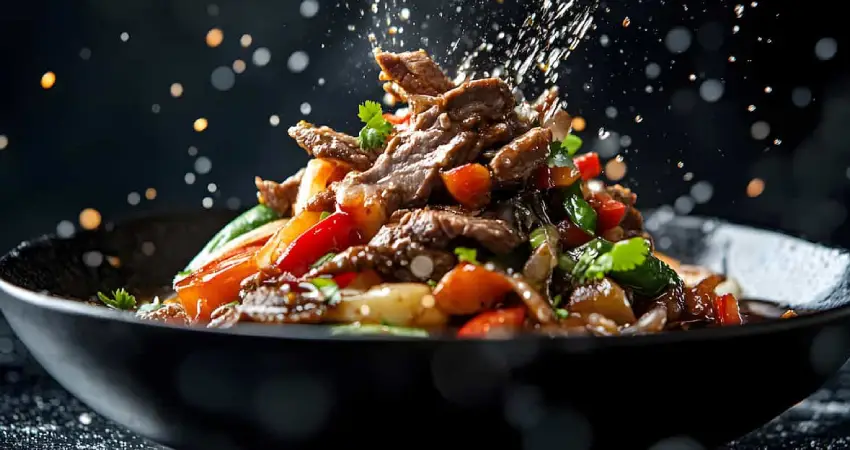
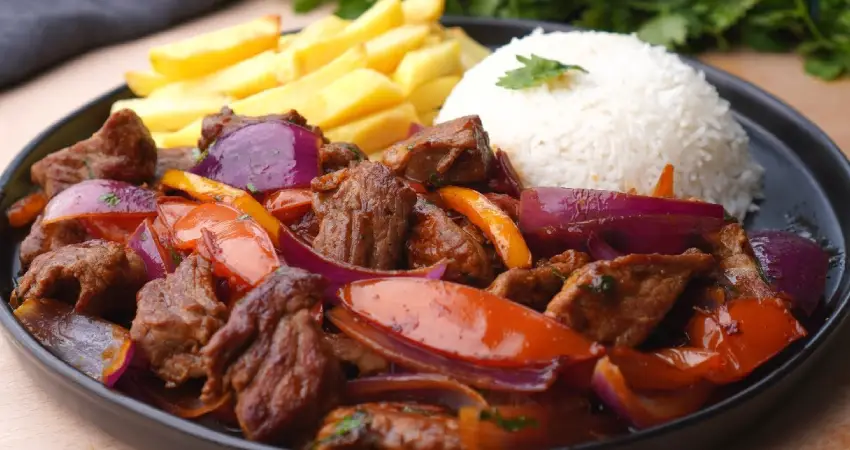
Lomo saltado is one of the most emblematic traditional dishes in Peruvian cuisine, primarily because it’s considered a symbol of the rich culinary heritage that has been a tradition in world cuisine for generations. Its preparation is based on a combination of ingredients, with pieces of meat being stir-fried in a pan over high heat to preserve its juiciness. This results in a very special flavor, and it can be easily served with white rice and French fries, directly reflecting the diversity of Peruvian gastronomy, which has made headlines and become a favorite among thousands of people and travelers worldwide.
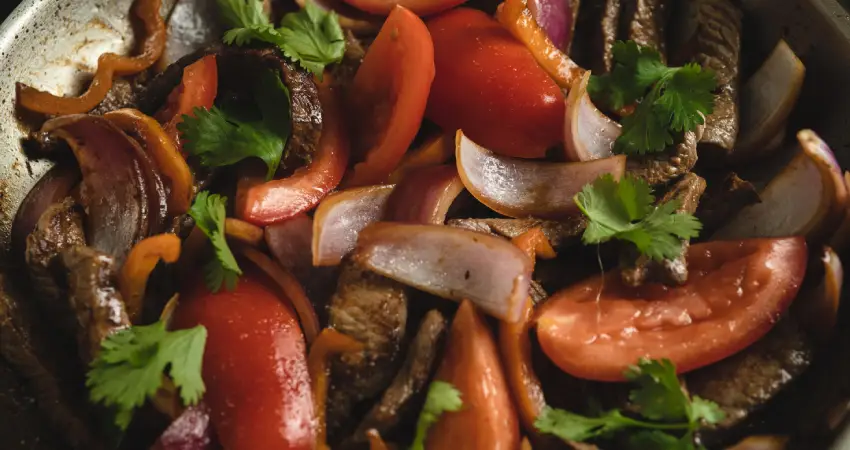
For first-time visitors to Peru, the best lomo saltado in Peru is always represented by the intense flavor of this traditional dish, which embodies the cultural essence of Peruvian cuisine. This flavor is achieved through the combination of diverse, always fresh, ingredients, stir-fried in a wok. This technique imparts a smoky aroma, and the traditional recipe of the best lomo saltado in Peru typically includes beef, vegetables such as tomatoes, onions, and yellow chili peppers, along with soy sauce. This combination creates an intense smoky flavor, which is served with white rice and French fries, resulting in a visually balanced presentation with a more concentrated umami and acidic notes.
| “Eat more, worry less.” |
2.- THE HISTORY BEHIND OF THE BEST LOMO SALTADO IN PERU
Behind the best lomo saltado in Lima lies a rich legacy passed down through generations, tracing its history back to the 19th century. This coincided with the wave of migrations that swept across much of Peru, including the Chinese immigrants who introduced culinary techniques like the traditional stir-fry and incorporated the use of woks. Over time, this fusion gradually blended with the use of local ingredients, resulting in the traditional cuisine known as Chifa, one of the most emblematic icons of Peruvian food. The incorporation of soy sauce into dishes also led to a variety of recipes that emphasized intense flavors, and to this day, it remains a clear example of the fusion of two cultures.
2.1.- Essential Aspects of the Stir-Fry Technique
There are several aspects that make the best lomo saltado in Lima special. Diners generally attribute its intense flavor to the correct selection of the best meat for lomo saltado, as it is the main ingredient. However, what truly makes its flavor special is undoubtedly the stir-fry technique used in its preparation. The meat is exposed to high heat, allowing you to appreciate how quickly it cooks, combining with the vegetables and maintaining its texture while intensifying the flavor. This method also imparts an intense smoky aroma that is distinctive of the best lomo saltado in Cusco, making it one of the best dishes you can try during your next trip. Of course, this traditional recipe has changed over time, adapting its preparation primarily within homes, while simultaneously being promoted as one of the most emblematic dishes in restaurants, even becoming a staple in haute cuisine. It remains a traditional and popular dish among thousands of Peruvians because it is easy to adapt with local and readily available ingredients.
Currently, the best lomo saltado in Cusco is considered a symbol of Peruvian identity and holds a privileged place in the ranking of flavors and options within the list of traditional Peruvian dishes with international recognition. It’s no surprise to find it on the menus of restaurants worldwide, and it even participates in festivals focused exclusively on Peruvian gastronomy and culinary competitions where its importance can be further appreciated. Of course, the essence of the flavor can always vary depending on the cooking time, ingredients used, and other factors, but it is recommended that the best meat for lomo saltado will always be the short rib of the beef to ensure that each bite is juicy. To better understand this dish, it should be known that it is not just a recipe; it is considered a symbol of creativity.
3.- WHAT GOES INTO AN AUTHENTIC LOMO SALTADO
To truly savor the authentic flavor of the best lomo saltado in Peru, it’s important to understand the variety and combination of fresh ingredients used in its preparation. This is essential for the dish to achieve its distinctive taste, preserving the meat’s juicy texture in every bite. It also combines with the intense, fresh flavor of the sautéed vegetables, creating a perfect balance of salty, acidic, and smoky notes.
3.1.- Basic Ingredients
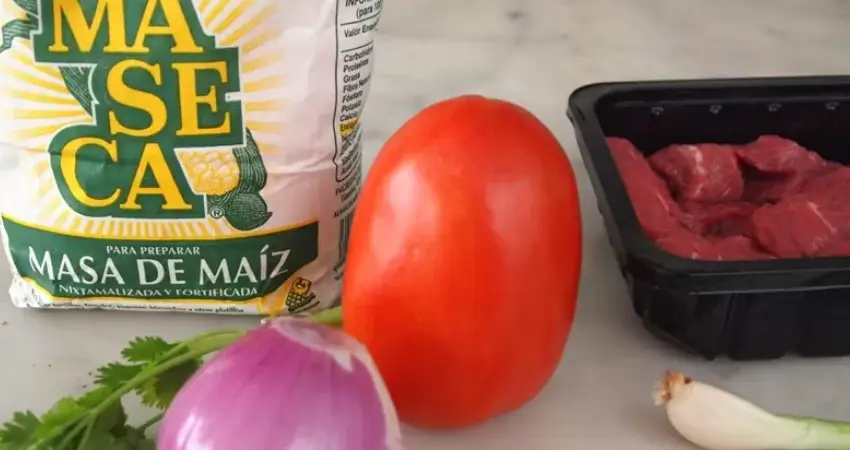
Traditionally, the best lomo saltado in Peru is one of the dishes with the most authentic flavor. What also stands out is that it requires very few ingredients, yet the combination of each results in a rich, iconic flavor recognized worldwide. The base typically consists of chunks of beef, onion, tomato, and aji amarillo (yellow chili pepper), combined with soy sauce, vinegar, and vegetable oil, along with spices that balance the flavor. Finally, fresh cilantro is added for a more intense aroma. One of the best-kept secrets of traditional preparation lies in quickly combining all the ingredients in a way that preserves the textures and flavors, adding only a touch of smoke.
Beef is the main ingredient for this dish, so a suitable, tender cut is required that can withstand rapid cooking. Generally, tenderloin, steak, sirloin, or even rump are used, as these cuts are easy to handle and yield larger pieces with a juicy texture, making them easier to manage during stir-frying without losing their texture. Then there’s the mixture that gives this dish its distinctive and characteristic flavor. It typically contains soy sauce and white vinegar, which provides a balance between acidity and a more intense flavor, allowing the taste of the meat to blend perfectly with the vegetables.
In some more personalized preparations, a little of the beef broth produced during the initial cooking is added, resulting in a much lighter sauce. Ultimately, what truly gives the dish its texture, color, and freshness is primarily the combination of vegetables: thick wedges of spring onion, which retain their firm texture when stir-fried; tomatoes, which add a juicy flavor and a brief touch of sweetness; and aji amarillo, an emblematic symbol of Peruvian cuisine, which provides a balanced spiciness.
3.2.- Traditional Side Dishes
One of the main characteristics of the best lomo saltado in Cusco is the traditional side dish of white rice and French fries. This combination also aims to represent the cultural diversity inherent in Peruvian cuisine, showcasing the influence of European and Asian culinary traditions within the Andean heritage of Peruvian gastronomy. The rice is a perfect complement, absorbing the flavor of the sauce, while the French fries add a crispy texture that perfectly complements the tenderness of the lomo saltado.
3.3.- Regional Variations
Although the preparation of the best lomo saltado in Peru is traditionally based on beef, over time the need arose to adapt it to the preferences and palates of diverse diners. Thus, variations in some elements have been incorporated to highlight its intense flavor. This led to the creation of versions geared towards more sensitive palates, replacing the intense flavor of beef with chicken and even fresh seafood, seeking to offer an alternative to the traditional stir-fry technique with a diversity of flavors and textures that can be perfectly combined with the sauce and vegetables.
4.- WHERE TO FIND THE BEST LOMO SALTADO IN PERU
4.1.- Lima – The Gastronomic Capital of South America
Lima is considered the capital of Peru, as it has the main access point via Jorge Chávez International Airport. However, it is much more than that. In recent years, it has also distinguished itself as the gastronomic capital of South America, an emblematic place where you can enjoy diverse and unique flavors, one of the most representative being lomo saltado. What’s most impressive is that one of its main attractions is the variety of restaurants, from traditional eateries known as picanterías to exclusive establishments, all prioritizing top-quality ingredients.
In traditional picanterías, you can be sure of tasting the authentic flavor of the original preparation, as they primarily follow the recipe passed down through generations. They are known for their quick preparation with completely fresh ingredients, allowing for a more distinctive and intense smoky flavor in the dish. Furthermore, they offer much more generous portions, creating a family-friendly atmosphere that makes the experience more enjoyable. In contrast, exclusive establishments such as international restaurants, primarily those recognized by their inclusion in the World’s 50 Best Restaurants ranking, feature dishes with a more contemporary reinterpretation, using aged meats and even native potatoes with a distinct approach. This is mainly because they seek to reinterpret traditional dishes with a touch of haute cuisine, even offering gourmet versions, making the culinary experience much more sophisticated.
4.2.- Cusco
Cusco is one of the traditional cities where Peruvian cuisine can be enjoyed in a much more special way, as it is one of the regions with the greatest variety of natural ingredients. This allows for easy adaptation of some ingredients in their Andean version, showcasing a different side of this traditional recipe. Generally, unlike in other cities, Andean potatoes and aromatic herbs are added during preparation, enhancing the intense flavor of lomo saltado. In some cases, the meat itself is also changed, using cuts of alpaca meat, which adds a distinct touch to the flavor, making this a truly special moment after visiting iconic places like the Sacred Valley or Machu Picchu.
4.3.- Arequipa
Traditionally recognized as one of the cities that best preserves its culinary heritage, Arequipa is one of the most emblematic cities in the country where you can enjoy an excellent version of this traditional dish. It’s also important to mention that the city boasts a rich heritage of traditional recipes that utilize ingredients specific to the southern region of the country. This demonstrates the strong influence of Arequipa’s cuisine on traditional Peruvian food. This region is generally known for its frequent use of chili peppers, which are also incorporated into some dishes in the city’s traditional restaurants, enhancing the flavor while preserving the traditional essence.
5.- UMAMI
“Many people are unfamiliar with this concept. In world cuisine, in addition to sweet, salty, sour, and bitter, there is a fifth taste that can be identified as a combination of all the others. This is called umami, and it is characterized as a fundamental part of the variety of flavors found in meat preparations, where the flavor is concentrated, adding a touch of salivation to each bite. This is what makes the best lomo saltado in Peru so special.”
6.- FAQs
- What is lomo saltado made of?
This traditional Peruvian dish is one of the most emblematic. Its preparation consists mainly of a combination of pieces of meat, onion wedges, chopped tomato, and yellow chili pepper, all stir-fried in a wok with soy sauce and fresh cilantro. It is served with white rice and French fries.
- Where did lomo saltado originate?
Its origins are based on 19th-century Peruvian cuisine. It stands out as a perfect example of the combination of Andean culinary heritage with the use of diverse techniques brought by waves of migration. Chinese immigrants introduced stir-frying, as well as equipment like the wok, which imparts a smoky flavor.
- What is the best lomo saltado in Lima?
There are many options where you can enjoy this excellent dish authentically. Many well-known restaurants, especially picanterías (traditional Peruvian eateries), serve it in a traditional way, following ancestral recipes. Of course, you can also enjoy it in internationally renowned restaurants. It always depends on your food preferences to choose the right restaurant.
- Is lomo saltado spicy?
Generally not. In fact, the use of aji amarillo (yellow chili pepper) is solely for its aroma and mild spiciness, which is usually almost imperceptible. Even using large quantities doesn’t cause any discomfort to the palate. However, if you like, you can accompany it with hot sauces, but this will generally alter the flavor.
- What’s the difference between lomo saltado and stir fry?
Stir-frying is the technique used to prepare this dish, which basically consists of quickly cooking various ingredients over high heat. Lomo saltado, on the other hand, is the result of using this technique and is one of the most emblematic dishes in Peruvian cuisine.
- What meat is used in lomo saltado?
Beef is primarily used, and there are various cuts to choose from, ranging from tenderloin and steak to sirloin or rump. The cut should allow for preparation in uniformly sized pieces so that they don’t lose their texture during the stir-fry.
- Is lomo saltado served with rice and fries together?
Yes, the goal is to have a subtle yet effective accompaniment, and white rice is perfect for this, as it blends seamlessly with the sauce from the stir-fry. The French fries add a crunchy texture that complements the tender meat.
- What is the national dish of Peru?
The world generally recognizes ceviche as Peru’s national dish, as it’s one of the most iconic. However, the list isn’t limited to this cold dish; we can also highlight lomo saltado as one of the most important, thanks to its intense, Creole-style flavor.
- Can lomo saltado be made with chicken or shrimp?
Yes, due to the passage of time and the variety of tastes among diners worldwide, some changes have been made to the ingredients in lomo saltado. Fresh chicken or shrimp can now be used, and while this slightly alters the flavor, it maintains the traditional essence.
Trips to Peru are known for being fun and safe, but they are also undoubtedly delicious. Auri Peru offers experiences that seek to combine the essence of culture with tradition so that every moment is an opportunity to delight your palate. Contact us now and we will make sure that you can enjoy this traditional dish during your tour.
“Every dish has a story.”