


1.- WHY PERU IS A WINE DESTINATION WORTH DISCOVERING
Peruvian gastronomy is renowned worldwide for its connection to a vibrant cultural heritage and its unique blend of archaeological sites and culinary experiences. However, it’s also important to recognize the country’s incredible winemaking tradition. While less well-known, Peru effortlessly surpasses the expectations of even the most discerning palates. For generations, numerous vineyards have been established, some dating back centuries. Combined with a pleasant climate, these vineyards produce abundant, high-quality grapes, perfect for enjoying a wine tourism experience.
1.1.- History of Wine Production
The experience of the wine tasting Peru is currently quite popular among travelers seeking to discover new flavors. However, it’s important to understand that this is directly linked to history, as it has a direct connection to Peru’s history dating back to the 16th century when Spanish conquistadors arrived to introduce and cultivate the first grape varieties. Since then, regions like Ica have been recognized as important production centers where winemaking and bottling have been part of the tradition for over five centuries.
Compared to other wine destinations, Peru offers a much more authentic and intimate experience. The tranquility is a key aspect of the visit, allowing visitors to tour wineries steeped in history and enjoy the various traditional production processes, as well as participate in a wine tasting Peru for a truly delightful experience.
| “Wander often, wonder always.” |
1.2.- Birth of the First Vines in South America
While learning more about the wine tasting Peru experience, it’s also important to understand that Peru is a prominent place in the history of winemaking in South America. It’s a unique territory where grape cultivation began after the arrival of the Spanish conquistadors. The combination of a suitable climate and proximity to the sea created a very special ecosystem that directly allowed for the development of vineyards and promoted it as part of agriculture. This established a distribution point that was highly regarded during the viceroyalty. To this day, it’s recognized as a special and unique place where centuries-old wineries remain active, preserving elements of history such as the original architecture of old colonial-era mansions. Therefore, by visiting and enjoying wine tasting Peru, you also have the opportunity to discover more about the history and origins of viticulture on the continent and learn more about a tradition that is constantly developing and evolving, always adapting to industry and modernity.
2.- WHERE TO GO WINE TASTING IN PERU
Over time, and with the development of tourism offerings, the variety of wine tasting tours in Peru has steadily increased, giving travelers the opportunity to enjoy a wide diversity of wines, often linked to the country’s history and winemaking traditions. Each century-old winery or tasting room has been specially designed to satisfy the preferences of all types of travelers, whether you simply want to explore the vast vineyards, learn about the complex winemaking process, or enjoy a wine tasting Peru. Throughout the country, you’ll find unique and special varieties that will make your visit an opportunity to immerse yourself in this tradition of distinctive flavors and aromas.
2.1.- Ica Valley
This is the main place where you can find a variety of wine tasting Peru tours, as it is also known as the leading tourist destination for wine experiences in Peru. This is mainly due to its diverse geography and the combination of prolonged sun exposure, fertile soils, and a warm climate, resulting in the perfect ecosystem for the production of various grape varieties. This allows for very high-quality grapes, ideal for making wines and piscos. Here you can also find a variety of wineries where, in addition to experiencing wine tastings in Peru, you can learn more about its history.
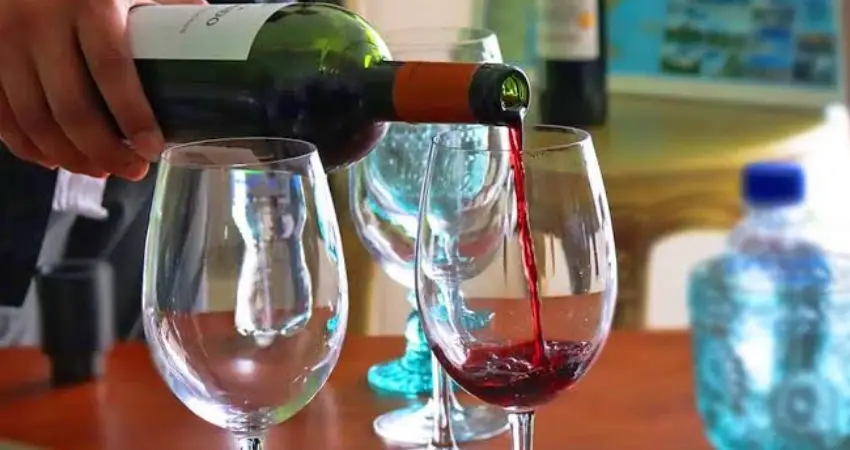
Listed as the oldest winery in the country and one of the oldest in South America, it was built in 1540 and has become a must-see for all wine enthusiasts. Each of its tours allows visitors to immerse themselves in the extensive vineyards while learning about its history, from its origins as a colonial estate to its present-day existence. With a professional guide, you’ll also have the opportunity to witness the winemaking and bottling process firsthand, followed by a leisurely wine tasting in Peru.
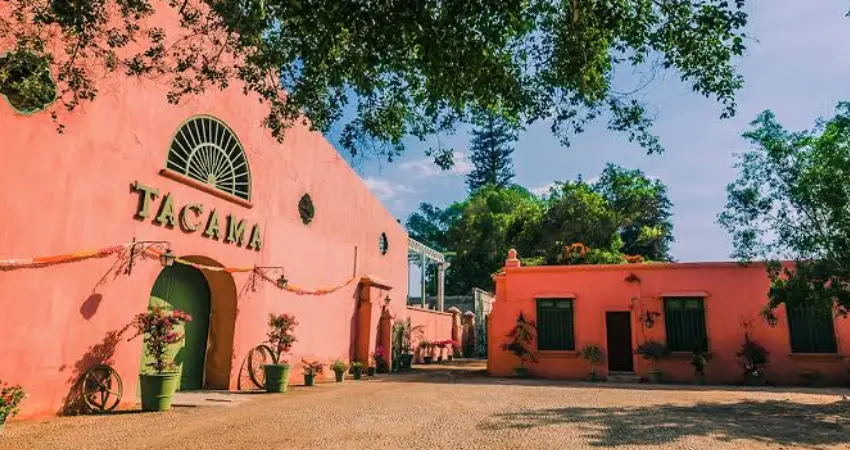
Also known as the Vista Alegre Winery, it is one of the largest and most intact examples of winemaking tradition in the Ica region. Its history dates back to its construction in the 19th century, and since then it has stood out as one of the most popular destinations for travelers seeking to discover the heritage of high-quality wine production. It is also notable for the opportunity it offers visitors to immerse themselves in the winemaking process, from traditional methods to those that utilize modern techniques to enhance the flavors of wine and pisco. Visitors can also typically enjoy a Peruvian wine tasting here, featuring a wide variety of wines and pisco, providing a broader perspective.
This winery is quite unique, as unlike others in the Ica region, it is characterized by its location in a more arid and desert-like environment. However, it boasts a unique and incredible variety of vineyards, allowing the resulting bottled wines to be classified as high-end, even adapting some international varieties thanks to the ideal climate found in the Ica region. When participating in wine tasting Peru, you can be accompanied by specialized sommeliers with extensive knowledge who can guide you through the process, allowing you to enjoy unique flavors alongside distinguished landscapes considered among the most special and beautiful in the country.
2.2.- Lunahuana
One of the most popular destinations for those seeking adventure and excitement, such as rafting, it also represents a very special and emblematic destination. Within its territory are several wineries that, while smaller in size, offer high-quality pisco and wines that are well worth exploring. Each of the wine tasting Peru experiences available here is developed and prepared in a relaxed, family-friendly environment. For travelers looking to combine outdoor activities with culinary delights and a variety of wine options, this place is ideal, as it’s conveniently located near the capital.
2.3.- Moquegua and Tacna
These regions have also gained widespread recognition in recent years for the high quality of their wines, as well as for their rich winemaking traditions. Travelers seeking to enjoy wine tasting Cusco Peru, can easily access these areas, which are relatively close to the ancient Inca capital. They are known for their dry climate, directly linked to the altitude and temperature variations, which results in a unique selection of special grapes. These grapes, after processing, produce bottled wines with a distinctive character. For travelers looking to experience southern Peru, this region offers an environment where they can also learn more about the history and innovation constantly developing within a rapidly evolving tourism sector.
2.4.- Cusco
The former capital of the Inca culture has no wineries dedicated to the cultivation and production of grapes. However, you can easily experience wine tasting Cusco Peru, thanks to specialized tasting rooms led by expert family members. There, you can learn about the variety of wines, including unique flavors and aromas from other regions, which can perfectly complement your daily activities or culinary experiences based on Andean cuisine.
3.- UNDERSTANDING PERUVIAN WINE AND PISCO
Iconic Peruvian beverages like pisco and wine are also known for emblematically representing Peruvian gastronomy, forming part of the national identity and pride. Each beverage originates from grapes as its main ingredient and then varies in its production processes, resulting in unique characteristics. It’s always important to consider that each also has a different way of being consumed. Thus, tasting is actually a broader experience for diners seeking to learn about the winemaking tradition of Peruvian culture. Furthermore, during the tour, you have the opportunity to discover the different grape varieties and production methods.
3.1.- Grape Varieties
It’s important to know that Peru is one of the world’s largest producers and exporters of grapes. The majority of these grapes are used primarily for winemaking, and in some cases, certain varieties are used for pisco production. Thanks to natural elements such as the climate, many regions stand out as emblematic for their grape-growing traditions. Ica, Moquegua, Tacna, and Arequipa are recognized for their contributions to the diverse grape varieties they cultivate, each contributing a distinct aroma and flavor.
The Quebranta grape variety symbolically represents Peru’s agricultural tradition in winemaking, as it is considered the primary grape used in pisco production. This particular variety is characterized by its lack of aroma and is the final product resulting from the adaptation of a European variety to the Peruvian environment. Each of the pisco varieties produced is characterized primarily by its balance of body and flavor, with notes of ripe fruit, making it quite versatile for preparing traditional drinks like the Pisco Sour.
The presence of distinctive grapes such as Italia, which is somewhat different due to its much more intense aroma, is also noteworthy for its floral and fruity notes. This is followed by Torontel, which is much softer and more delicate, contributing a citrus and floral scent. Therefore, it represents a great alternative for cocktails with aromatic varieties and diverse flavors. Finally, Negra Criolla is a grape variety that descends directly from the first vines harvested in Peru after the arrival of the Spanish. It holds great historical significance and remains one of the main varieties used in pisco production, seeking to maintain and preserve the traditional methods of its production.
3.2.- The Process of Reading a Wine Label
Within the Wine Tasting Peru experience, it’s important to highlight that all relevant information is found on the label. This makes it easy for a person to analyze the wine’s composition and choose one that best suits their personal tastes and palate. In Peruvian wine production, the label provides pertinent information such as the winery, grape variety, vintage, alcohol percentage, and, in some select wines, the average aging time. There are also recommended tasting notes, all of which are generally explained in detail by specialized sommeliers who assist you during the tasting process.
4.- WINE AND PISCO
“When you participate in one of the wine tasting Peru Tours, you also have the opportunity to combine the experience with a pisco tasting. Many people are unaware that this emblematic Peruvian beverage is also produced with a different type of grape. Furthermore, you should understand that wine is what is obtained after the fermentation process, while pisco uses a distillation process specifically from carefully selected grape varieties.”

5.- FAQs
- Does Peru produce good wine?
Yes, Peru is currently recognized as one of the world’s leading wine producers, and over the last few decades, this prestige has steadily increased, offering high-quality options primarily due to the implementation of technological advancements and modernization within wineries, as well as a more detailed understanding of the unique climatic characteristics of each region.
- What is the best wine region in Peru?
Without a doubt, Ica is known as the most important and primary wine-producing region in Peru. Its ideal climate, combined with abundant natural light and extensive fertile land, allows for the highest quality grapes.
- What is the difference between pisco and wine?
The most important thing to know about these two beverages is that they are both made directly from grapes; however, the production process is what truly sets them apart. Wine, on the other hand, is processed directly after the fermentation of the grape juice, allowing it to develop a more intense flavor. Pisco, however, is characterized by a distillation process that primarily uses fresh grapes. They also differ in alcohol content; while wine can range from 11% to 15%, pisco is typically much stronger, reaching between 40% and 50%.
- What grape is used to make pisco?
The Quebranta grape is primarily used in the production of pisco, known as Peru’s national drink. Its more neutral aroma makes it versatile during the production process. Some pisco varieties that aim for a more exotic character often use other grape varieties such as Italia, Toronte, Mollar, or Uvina.
- Where can I go wine tasting near Lima?
There are many places in Peru where you can enjoy this experience without complications. If you don’t have much time, visiting nearby locations is ideal. For travelers in Lima, there’s the option of heading to Lunahuana, which is quite close and only a couple of hours away, or even to the Ica region if you’re looking for a more comprehensive experience.
- Is Ica the best place for wine tasting in Peru?
In many ways, the best place to enjoy a wine tasting is the Ica region. Besides boasting some of the most fertile land for grape production, it also has the greatest variety of wineries, some of them historic, where you can enjoy this experience.
- How much does a wine tasting tour cost in Peru?
The prices for this experience vary depending on the season, the level of customization, and the number of people. You can find options starting at around S/50 per person for traditional versions, while more personalized experiences easily exceed S/100 per person.
- What is the best time of year for wine tasting in Peru?
The best time of year to visit these regions is always between February and April, as this season is ideal due to various factors, such as the harvest festival, also known as the Vendimia, where visitors can participate in the entire process, from picking to winemaking.
- Can you do a day trip from Lima for wine tasting?
Yes, the first and most important thing is to get to Ica. You’ll take a tourist bus, which takes about 4 or 5 hours to get there. Then, depending on the winery you choose, you’ll spend 10 to 15 minutes at the winery to enjoy the full experience. Of course, there are also all-inclusive organized tours available so you don’t have to worry about anything.
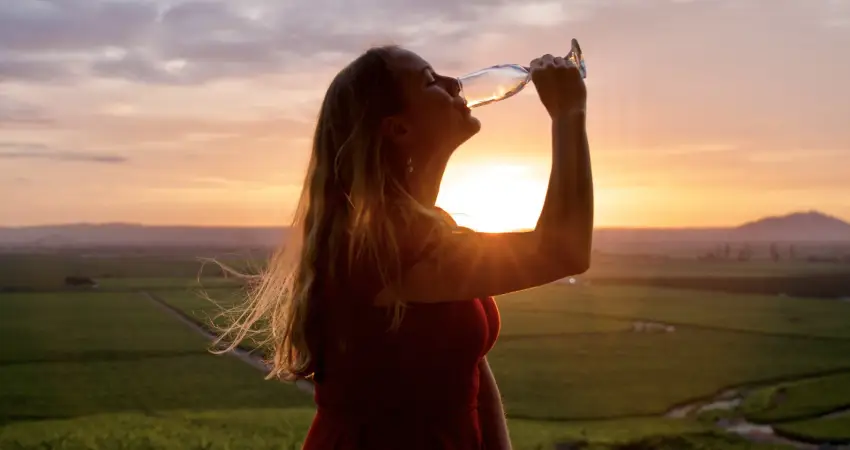
This experience is directly linked to the history and culture behind centuries of tradition. Auri Peru can help you enjoy it in a personalized way, just for you and your team. Contact us now, and we’ll create an itinerary tailored to your preferences.
“To travel is to live.”