

1.- INTRODUCTION TO SAFETY IN MACHU PICCHU
Machu Picchu is one of the world’s most iconic destinations, consistently topping the list of the most popular places to visit. However, to truly experience this hidden gem nestled in the Peruvian Andes, it’s essential to consider some helpful recommendations that will allow you to explore the citadel safely and effectively. Located in one of the most mountainous areas of the Andean region, where there is significant climatic variation due to its proximity to the Amazon rainforest, Machu Picchu offers a wide variety of landscapes and interconnected trails, ensuring a comprehensive, enjoyable, and safe visit.
It’s also crucial to understand that one of the most important safety tips in Machu Picchu is to be fully aware of the archaeological site’s regulations and rules. This will help you comply with all the necessary regulations and recommendations to avoid any potential risks.
This is also vital for proper planningm tips to visit Machu Picchu cover important aspects such as physical preparation, clothing, footwear, protection from the weather (sun and rain), recommendations for altitude sickness, and even the restrictions on established routes and circuits. This information is not only for personal satisfaction but also directly related to preserving the cultural heritage and everything within the Inca citadel.
2.- Is Machu Picchu safe for travelers?
Over the past few years, various measures have been implemented to ensure the safety of visitors. As a result, safety tips in Machu Picchu have become much more specific, prioritizing the well-being of all visitors. This, along with the presence of authorities such as park rangers, has made the Inca citadel an iconic and very safe destination for all travelers. It is also important to follow the signs along the paths within Machu Picchu and stay on the marked trails according to each established circuit.
3.- Common Risks for Travelers
Travelers often focus more on the natural and cultural beauty of this iconic destination and tend to overlook safety tips in Machu Picchu. This can lead to overlooking potential risks such as the geography and the diverse environment. Common problems for travelers visiting Machu Picchu include slipping on wet stones, fatigue and dehydration from prolonged sun exposure, and exhaustion from the physical demands of exploring the site.
safety tips in Machu Picchu also include being aware of sudden weather changes. During the rainy season, many of the stone paths become slippery, increasing the risk of accidents. Additionally, fog can significantly reduce visibility in some areas. Furthermore, venturing outside designated areas to get a good photo is a primary cause of many incidents, including falls.
4.-ESSENTIAL PRE-TRIP SAFETY PLANNING
4.1.- Check the tickets
One of the most important safety tips in Machu Picchu, which you should consider from the moment you choose the Inca citadel as your travel destination, is to carefully check the entrance tickets and their availability. As a very popular destination, there is a limit on the number of tickets available per time and per day. By securing your entrance ticket, you also ensure that your experience will not have any future problems related to the checkpoints. Remember that to enter Machu Picchu, you must present your entrance ticket along with the identification document used to make the reservation. This management system allows for gradual visitor control while preserving the integrity of the citadel, protecting it and guaranteeing a much more organized experience.
4.2.- Scheduled Visits
It’s also important to know of the tips to visit Machu Picchu related to the established visiting hours. Machu Picchu operates on a schedule with various entry times, the first being at 06:00 am and the last at 15:00 pm. This ensures a balance in relation to the number of visitors. It’s very important to know that all times are fixed and cannot be changed, so travelers must adhere to the established schedule. The best times always vary depending on the season. If you’re planning a trip during peak season, it’s recommended to enjoy the early morning hours at sunrise or from 09:00 am onwards, as these allow you to enjoy a privileged view of the citadel with greater clarity thanks to the sunlight. If you’re visiting Machu Picchu during the rainy season, it’s best to plan your visit for times after 11:00 am, as you won’t be affected by the fog.
4.3.- Official Sales Sources
As part of our safety tips in Machu Picchu, you should know that entrance tickets can only be purchased on the official government platform, tuboleto.cultura.pe. No other entity issues these tickets due to administrative and security reasons. This is the official channel through which individuals and even travel companies acquire these coveted entrance tickets. When there is a discrepancy between prices and the season, it is important for travelers to first investigate the company’s origin, as it could be a scam or fraud.
| “The journey is the destination.” |
4.4.- Considerations for the Circuits
Since 2024, the regulations and management of the circuits have changed radically. A total of 3 circuits have been established, comprising 10 updated and authorized routes for exploring the various emblematic spaces within Machu Picchu. This is intended to protect the integrity of the citadel and to properly control tourist flow. When entering the citadel, visitors must respect the circuit and route indicated on their entrance ticket and avoid leaving the marked path at all times, as the entire trail is signposted. By following these guidelines, you can directly contribute to the safety and well-being of the entire environment and the visitors.
4.5.- The Best Time of Year
There’s no doubt that one of the best safety tips in Machu Picchu is to visit the Inca citadel during the peak travel season, which occurs between May and October each year. During this time, the weather is much more stable, potential risks such as wet or slippery surfaces are significantly reduced, and you can enjoy better visibility thanks to the natural light. This season is highly recommended for a smooth trip, even if your experience involves hiking. However, you should also keep in mind that while it’s the best travel season, it’s also a favorite among thousands of travelers, especially between June and August. This period typically encompasses the peak travel season, resulting in a higher volume of visitors. This also directly impacts service availability, so it’s advisable to make a reservation in advance.
4.6.- Travel Insurance for Machu Picchu
Although not strictly recommended, travel insurance tops the list of safety tips in Machu Picchu. It ensures your trip is prepared for any eventuality. Having travel insurance is highly recommended for all visitors to Peru who wish to visit the ancient Inca citadel high in the mountains. Insurance not only provides coverage but also serves as a safety net for any situation involving health or logistical issues related to planning and organizing your itinerary. Generally, it is recommended that travel insurance cover various aspects, from medical assistance and support in the event of accidents and trip cancellations to lost luggage and coverage for situations where social unrest might disrupt your planned itinerary.
4.7.- Evacuation and Emergencies
It is very important to consider that Machu Picchu is located in a mountainous area, which is considered far from major medical centers. Therefore, it is crucial to be aware of this before planning your trip. Regarding any incident that may occur during your visit, there is an assistance and evacuation protocol that will transport you directly to the nearest medical center. If necessary, immediate evacuation using an emergency helicopter is arranged. Naturally, you should consider that these aspects involve extra expenses, so your travel insurance should cover them. The same applies to adventure experiences where you enjoy remote locations such as mountains or isolated trails, which may involve some type of risky activity. In some cases, travel insurance policies do not cover extreme sports or adventure excursions, so it is very important to thoroughly review your policy before purchasing one.
5.- Physical Preparation Before Your Trip
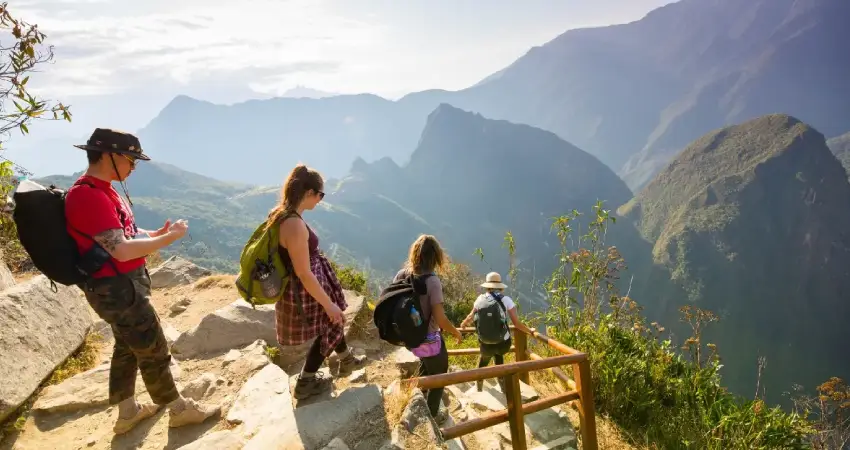
All the safety tips in Machu Picchu aim to make your trip entertaining and unforgettable while prioritizing safety. While visiting Machu Picchu doesn’t require extensive physical preparation, a general understanding of the terrain is helpful. Most of the trails within the site are connected by stepped sections made entirely of stone, requiring some physical effort to navigate. Therefore, it’s recommended that visitors engage in some physical activity a few months before their trip to prepare their bodies. Altitude is another factor to consider. At over 2430 meters above sea level, Machu Picchu is relatively high for many travelers who typically live at sea level. For this reason, it’s essential to stay hydrated to ensure proper oxygenation and avoid alcoholic beverages and tobacco, which can easily dehydrate you. Prolonged rest also aids in altitude acclimatization, as does a soft diet, especially during the initial days after your arrival.
6.- ALTITUDE SICKNESS AND HEALTH SAFETY
A fundamental aspect to consider during your trip to Machu Picchu is undoubtedly preserving and protecting your health in all aspects. For thousands of travelers worldwide, one of the biggest challenges or obstacles when visiting the Inca citadel is its altitude. At over 2,430 meters above sea level, it represents a high point within the Andean region, especially for travelers whose daily lives are at sea level. Therefore, you should also be aware of the effects that altitude sickness can have on your health and how to prevent them properly.
Altitude sickness is a series of symptoms that primarily affect people in high-altitude locations where oxygen levels drop drastically. Cusco is one of the clearest examples, as it is located at 3400 meters above sea level, while Machu Picchu is situated at a lower altitude, with a difference of just under 1,000 meters above sea level. Thus, even though the Inca citadel is located at a lower altitude, it can still present a challenge for many travelers, at least during the first few days, since the oxygen availability is much lower. These symptoms always manifest in various ways and vary from person to person, depending on age or even physical condition.
7.- Symptoms of Altitude Sickness
There is a wide variety of symptoms that differ depending on the type of traveler. Many travelers around the world have identified and referred to this discomfort as “soroche,” which can present mild symptoms ranging from slight headaches, fatigue during activities, frequent dizziness and nausea, to loss of appetite and immense difficulty finding restful spaces. These discomforts usually appear, almost always starting with headaches during the first few hours of arrival in the city, mainly due to the low oxygen levels. However, as the body adapts, these symptoms gradually disappear.
There are also other cases where altitude sickness presents more intensely, with each traveler experiencing much more serious symptoms, ranging from respiratory problems and intense chest pain to confusion, disorientation, intense drowsiness, and even a temporary inability to perform physical activities. Of course, when dealing with these more severe symptoms, more specialized care is necessary because each of these ailments can lead to complications and pose a significant health risk. If the discomfort is severe, immediate medical attention should be sought, as the symptoms can worsen progressively. This is crucial and also a key element of the safety tips in Machu Picchu, since timely treatment makes it easier to combat any discomfort.
8.- Actions to help prevent altitude sickness
Altitude sickness is a complication that occurs when your body doesn’t receive enough oxygen, requiring time to adapt. By following these steps, you can enjoy a comfortable and safe trip throughout your journey. To begin, consider allowing yourself ample time to rest upon arrival without engaging in any strenuous physical activity. You can take leisurely walks or simply enjoy the scenery at scenic viewpoints, allowing your body to gradually adjust. It’s also important to drink plenty of water, as hydration helps oxygenate your body more easily and compensates for the constant fluid loss that occurs at high altitudes where the air is much drier. This is complemented by a balanced diet rich in fruits and vegetables, which are easier to digest. Avoiding fried or heavily seasoned foods can also help alleviate discomfort.
Complementary remedies like local ones also help the body adapt properly, such as coca tea, considered a traditional beverage used in the Andean region for altitude sickness. This drink is generally available in many tourist establishments like hotels or restaurants. As a natural remedy and energizer, it perfectly aids the body’s adaptation to altitude, quickly relieving general discomforts associated with it.
9.- Water Information
Water in the Andean region undergoes a filtration process from natural sources to everyday sources like taps. However, it is not recommended that travelers consume it directly, as it may contain microorganisms that can only be destroyed through boiling. For this reason, only bottled water or previously boiled water should be consumed. While you can use tap water for personal hygiene such as brushing your teeth or showering, you should avoid drinking it at all times. This also applies to similar items like ice, which should only be consumed in tourist areas, as these meet certain safety standards to ensure your experience.
10.- FAQ
- Is Machu Picchu safe for tourists?
Yes, Machu Picchu is completely safe for all travelers from around the world. In recent years, it has implemented certain safety processes and parameters to ensure a smooth experience, as well as establishing regulations that allow visitors to enjoy every moment without disturbing or bothering other travelers.
- Is it safe to visit Machu Picchu without a guide?
Although a tour guide is not mandatory during the visit, it is highly recommended, as it is the best way to fully experience the Inca citadel of Machu Picchu. Guides also provide detailed information on the regulations and help you avoid making mistakes.
- What are the biggest dangers in Machu Picchu?
Generally, one of the most common dangers travelers face when visiting Machu Picchu is disregarding safety guidelines in order to get a unique photo. This can cause slips or accidents, such as falling off a cliff. It is also common for slippery areas to occur during the rainy season, leading to accidents or falls.
- Can you get altitude sickness in Machu Picchu?
Yes, because Machu Picchu is located 2430 meters above sea level, it is quite common for travelers to experience discomfort due to the altitude. Due to the low percentage of oxygen present, adequate preparation before the trip is recommended.
- How difficult is the hike to Machu Picchu?
Machu Picchu has several trails that can be accessed directly on foot. The most traditional is undoubtedly the Inca Trail, which allows you to traverse the Andean mountains to finally reach the Inca citadel nestled in the mountains. Although it is a progressive experience, prior experience with hiking is recommended, and it is considered moderately difficult.
- Is Huayna Picchu dangerous?
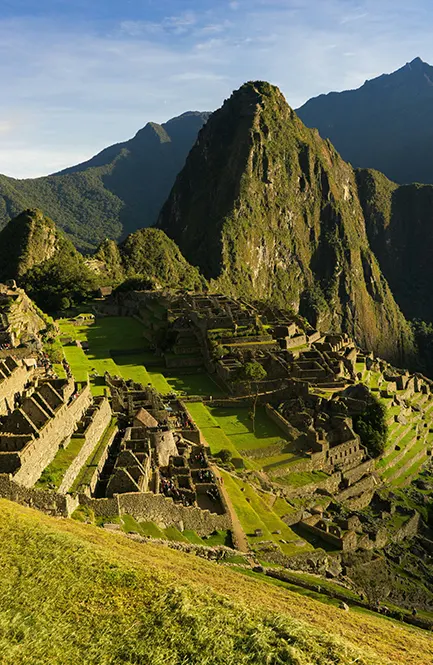
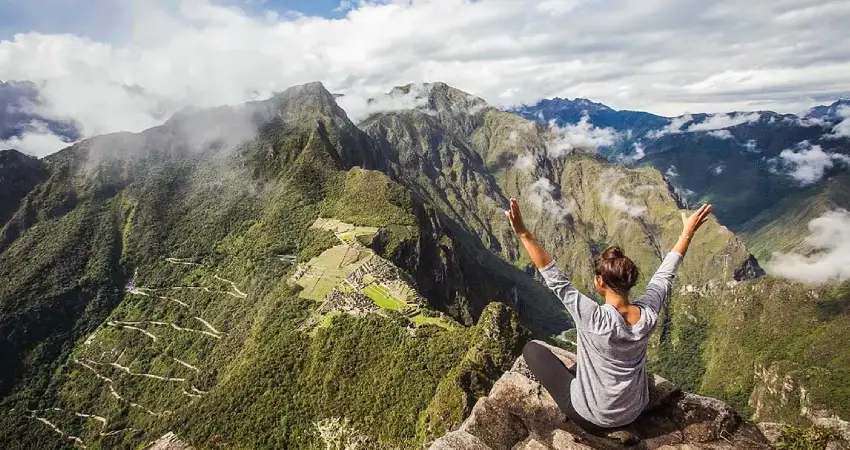
Huayna Picchu is one of the mountains located within the Inca Citadel of Machu Picchu and is considered one of the most impressive due to its great height. However, it does carry some risk during the ascent, as the path is very narrow and quite steep.
- Is Machu Picchu safe during the rainy season?
Yes, Machu Picchu is one of the safest destinations year-round and is a top destination on the list of desired destinations for thousands of travelers worldwide. Although the rainy season, which extends from November to April, brings some weather variation, it does not pose a significant risk to travelers.
- Are there medical facilities near Machu Picchu?
The nearest medical center to the Inca citadel of Machu Picchu is located in the traditional town of Aguas Calientes, at the base of the mountain. However, its services are limited, so in the event of serious complications, a direct evacuation to Cusco is necessary.
AVOID PILLS
“You should also consider that some health establishments offer pills intended to combat altitude sickness; however, this is not recommended since they contain ingredients that can cause allergic reactions. This always depends on the individual. Natural remedies are always best for altitude sickness because they don’t cause any complications, especially if you have a pre-existing condition.”
Now that you’ve taken all the necessary steps to ensure a safe experience at Machu Picchu, you shouldn’t wait any longer to start planning your trip, as entrance tickets are limited. Auri Peru can organize a completely safe experience for you. Contact us now, and we’ll be happy to assist you.
“ravel makes you speechless, then a traveler with a story.”