


1.- WHY PERU IS THE #1 ADVENTURE DESTINATION IN SOUTH AMERICA
Many people are unaware that Peru is currently considered one of the world’s most iconic destinations due to its vast biodiversity and the rich cultural and historical heritage hidden throughout the country. Peruvian Adventures are recognized worldwide as one of the best choices for travelers seeking to personalize their adventure. This isn’t just an experience focused on visiting iconic destinations; it’s an activity that connects you with a rich culture that has remained vibrant through time, allowing you to connect with the natural environment. Whether visiting the dense Amazon rainforest or the vast coastline, you’ll also enjoy the country’s rich historical heritage and understand why Peru is recognized as the most important place to visit if you’re looking for adventure experiences. Thanks to its diverse geography, personalized activities have also been developed, ensuring that your next trip in 2026 will be more adrenaline-pumping than a traditional vacation.
2.- Regional Diversity
2.1.- Coastal Region
This is the first region travelers encounter on their Peruvian Adventures. It’s primarily characterized by its arid environment and proximity to desert areas. However, it also focuses on experiences directly linked to the sea due to its proximity to the Pacific Ocean. Adventure activities like surfing take place here, while the arid environment also lends itself to adventure activities like sandboarding, a favorite among thousands of travelers. This combination allows travelers to enjoy the best of Peruvian Classic Adventures.
2.2.- Andean Region
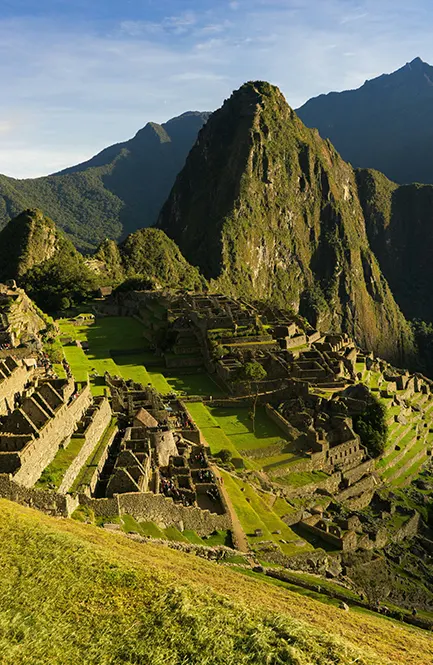
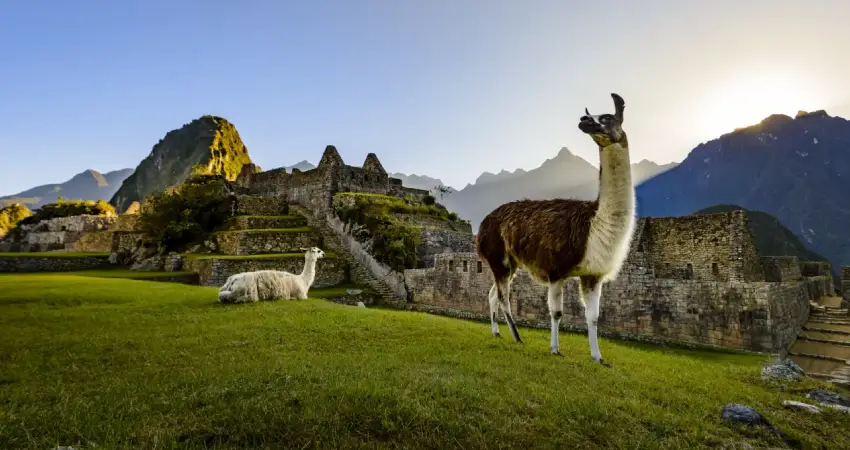
For many travelers, Peruvian Andes Adventures are among the must-do experiences during their trip to Peru. This is mainly due to the region’s unique characteristics, where the main outdoor activities are concentrated, such as hikes that lead to one of the most emblematic destinations, also known as one of the wonders of the world: Machu Picchu. This is a favorite destination when planning Peruvian Adventures, as it is the most renowned worldwide.
2.3.- Amazonas Region
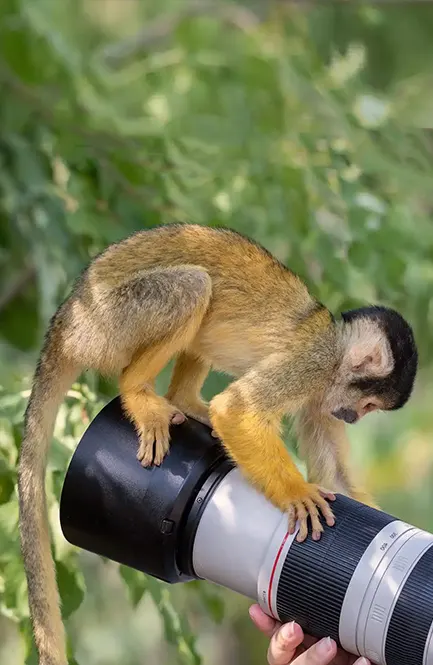
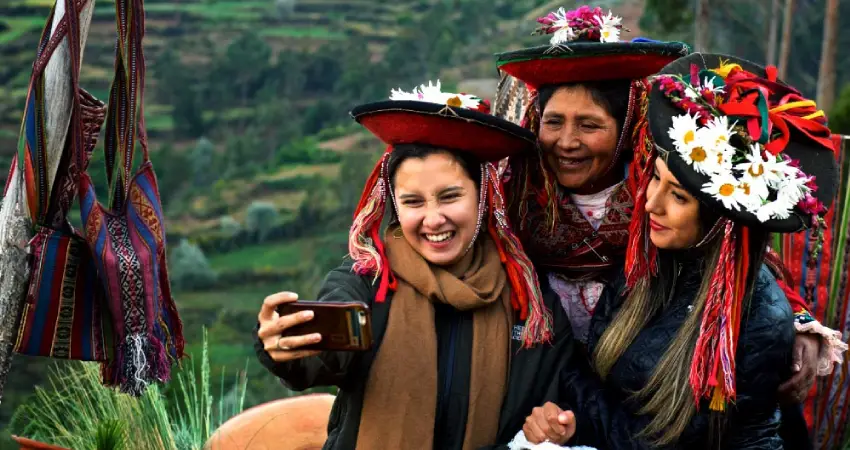
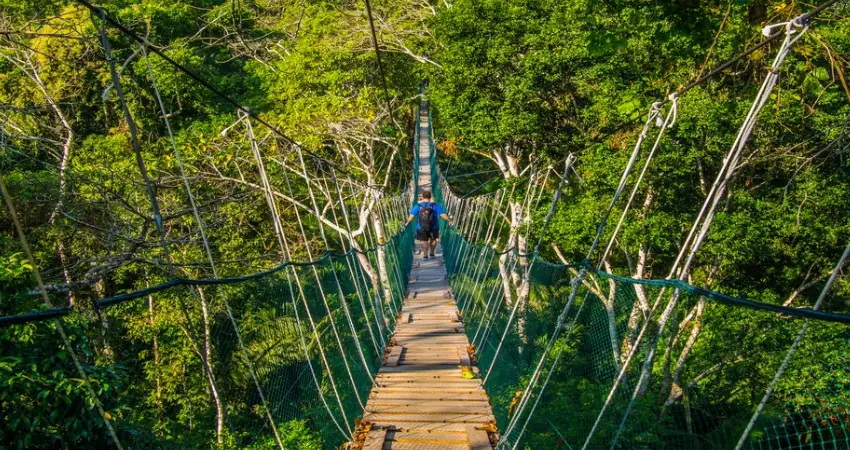
It is considered the most mysterious destination among Peruvian Adventures, thanks to its vast expanse, a territory completely surrounded by forests and rivers that create a unique environment where biodiversity has become a vital resource, providing a breath of fresh air for the entire world. Furthermore, within its boundaries, you have the opportunity to visit diverse indigenous communities that stand out for their ancient traditional heritage, which has remained intact for generations.
3.- PERUVIAN CUISINE: A CULINARY ADVENTURE IN EVERY BITE
Among the Peruvian Classic Adventures that a traveler can enjoy on their next trip is savoring the delicious and varied gastronomy of Peru, a legacy of many generations throughout history. In fact, Peruvian food is considered a sensory adventure directly linked to culture and tradition. It also varies due to the country’s diverse geography, meaning that each traditional dish represents a piece of history where you can discover interesting details about different eras and the influences of multiple cultures, such as Spanish, African, Italian, Asian, and many others. This has resulted in a blend of flavors that has positioned it as one of the best in the world. Whether it’s the fresh flavors of the coast, the intense flavors of the Andes, or the exotic flavors of the Amazon, you can enjoy a unique culinary journey, savoring every bite and delighting your palate with incomparable flavors.
| “ind beauty in the unexpected.” |
Over the past few years, Lima has been crucial in gastronomic development, becoming the gastronomic capital of Latin America. This is mainly due to its innovative approach to reinterpreting the flavors of emblematic traditional dishes, as well as highlighting the quality and wide diversity of local ingredients. The experience extends beyond the presented and prepared dish, reaching into the heart of traditional markets where a variety of fresh, seasonal ingredients can be found. These markets are also home to some of the world’s best restaurants, such as Central and Maido, both of which have been recognized on the World’s 50 Best Restaurants list. Of course, what many people don’t know is that this culinary boom has been driven by many expert chefs who strive for innovation, one of the most prominent being Gastón Acurio, who has completely transformed Lima’s culinary scene, turning it into a veritable feast of flavors.
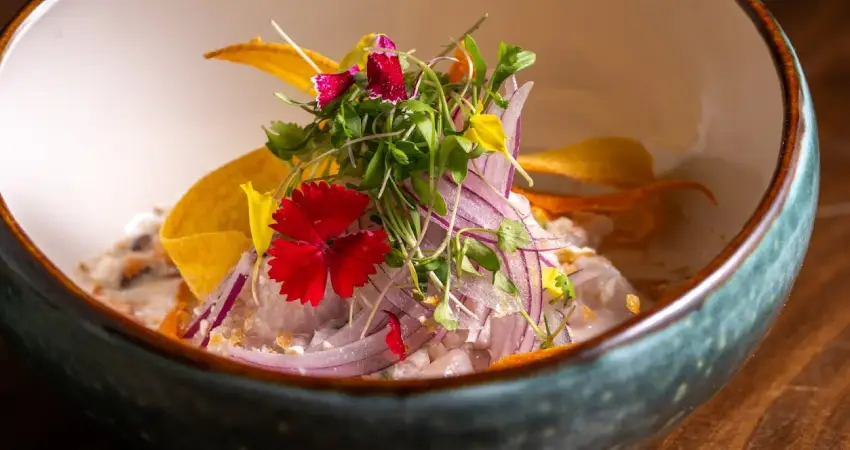
Naturally, the gastronomic experience isn’t limited to just one style. In fact, there are diverse alternatives ideal for every traveler, making them accessible and perfect for Peruvian Classic Adventures. You’ll find haute cuisine options designed and recommended primarily for the most discerning travelers seeking comfort and exclusivity. However, there are also other options known as “huariquez,” which represent more standard eateries but preserve a legacy of unique recipes where flavor is paramount. Many dishes are based on fish due to the proximity to the sea, so you can also enjoy platters of fresh seafood, making Lima a culinary gem. The options and varieties of ceviche are a must-try.
4.- Traditional Dishes
Choosing from the variety of dishes is naturally complicated, as the flavors are so distinctive that they create a unique culinary experience and allow you to connect with the culture. There is a wide variety of dishes where you can enjoy the combination of tradition and the adrenaline of adventure. The most traditional and emblematic dish you’ll find on your next trip is undoubtedly ceviche, a flagship dish of Peru thanks to its perfectly combined freshness and acidity. On Peruvian Andes Adventures, you can’t miss the opportunity to savor the flavor of baked guinea pig (cuy al horno), a traditional dish from the Andes. You’ll also find anticuchos, one of the iconic street dishes, which generally have a more pronounced smoky flavor.
For travelers seeking a more concentrated flavor, we recommend lomo saltado, a dish known as a fusion of Chinese and Peruvian cuisine due to its unique preparation. As part of your visit to the Amazon, don’t miss the opportunity to enjoy Juane, a dish that focuses on the unique aromas of the Amazon. Each dish has its own distinct flavor, deeply rooted in tradition. It’s an effective way to escape the everyday tastes and invites travelers to immerse themselves in a world outside their comfort zone, where they can delight their palate with unique and exclusive flavors. These flavors not only provide a delightful sensation but also allow you to connect with the history and tradition that remain alive.
5.- Practical Guide to Planning Your Peruvian Adventure
Planning your next trip to Peru is very easy, and the most important thing to keep in mind is understanding key aspects of the country so you can plan a sequence of activities tailored to your needs. This guide will help you make a responsible and informed decision, ensuring a comfortable and safe adventure.
6.- Best time of year to visit Peru
6.1.- Dry Season
Known as the favorite season for thousands of travelers, this is mainly due to the stable weather and temperatures, making it easier to visit iconic places like Cusco, Machu Picchu, or the Sacred Valley. It occurs between May and October each year and is characterized by clear, sunny days. During this season, rainfall decreases considerably, allowing for easy outdoor activities such as hiking or visiting archaeological sites. The natural light provides a much more beautiful view, and during this time, most travelers choose to plan outdoor activities like hiking the Inca Trail or exploring Andean villages in the Sacred Valley.
6.2.- Rainy Season
This is also considered the most challenging season of the year. It occurs between November and April and is characterized by intense and frequent rainfall. While this directly affects outdoor activities, it is also a unique and ideal time to experience the majesty hidden within the Amazon. The rains raise water levels, and the surrounding natural environment boasts more lush vegetation. Another advantage of this season is the lower number of travelers, as many prefer to avoid the hassles of rain, allowing you to enjoy quieter environments with fewer visitors.
It’s important to note that when planning a trip to Peru, your first destination will almost certainly be Lima, home to Jorge Chávez International Airport. This airport is often used as a transit hub, connecting you to various regions within the country. For this, it’s highly recommended to use airlines like LATAM or Sky Airlines, which offer flights to important cities such as Cusco, Arequipa, Iquitos, and other iconic destinations. These airlines provide a variety of flight options with frequent departures throughout the day and different service levels, catering to both traditional and business travelers.
7.- Things to Consider for Your Trip
One very important detail to keep in mind for your upcoming trip to Peru is that many cities in the Andean region are located at an altitude of over 3,000 meters above sea level. This often presents a challenge for travelers arriving from coastal areas or near the sea, and it’s common for them to experience discomfort such as headaches, nausea, vomiting, fatigue, and difficulty breathing. These are direct symptoms of altitude sickness. However, there are many ways to combat these discomforts. The most important is to stay hydrated to oxygenate the body, take ample time to rest without strenuous physical activity, avoid heavy meals, and refrain from consuming alcohol. Drinking coca tea, a natural energizer, can also be helpful.
You should also consider that many countries do not require a visa, as there are accessibility agreements that allow you to present only a passport valid for more than six months from the date of travel, or a national identity card in the case of Latin American countries. However, there is a list of countries that require a visa, so it’s important to consult it on the Peruvian consulate’s website. Also, keep in mind that although vaccinations are not mandatory, the yellow fever vaccine is recommended if your trip takes you to the Amazon. Finally, you should consider purchasing travel insurance to help cover common situations such as medical emergencies, flight delays, and other unforeseen events.
8.- TRAVEL IN 2026
“Peruvian Adventures in 2026 are ideal, as it is the best time to enjoy the iconic and traditional beauty found in one of the most diverse countries in the world. Thanks to improvements in tourism infrastructure, there is greater accessibility for all travelers, making it the perfect time to start planning your next trip so you can experience an unforgettable adventure.”

9.- FREQUENTLY ASKED QUESTIONS ABOUT PERUVIAN ADVENTURES
- Is Peru safe for solo travelers?
Generally speaking, yes, but it has positioned itself as one of the safest destinations for tourism, especially for independent travelers. Trips that include cities like Cusco, Lima, and even the vast expanse of beauty become the perfect opportunity for solo travelers to enjoy an unforgettable adventure.
- How many days do you need in Peru?
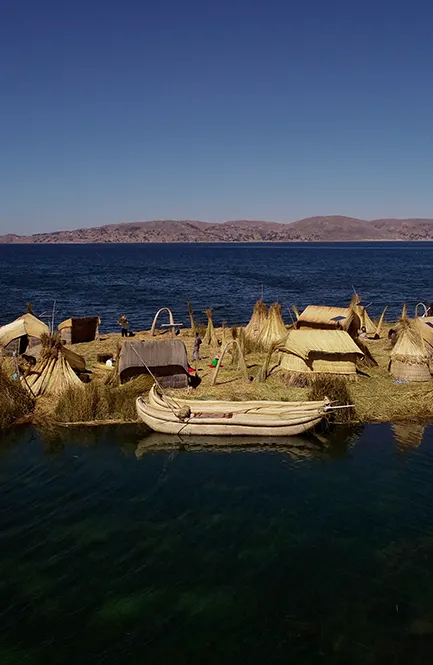
It is generally recommended to book a trip with an approximate 10-day itinerary. This is enough time to visit the country’s most iconic destinations, from Lima, to areas like Ica and Paracas, the emblematic city of Cusco, the Sacred Valley, and Machu Picchu. If you wish to enjoy other complementary destinations such as the Amazon, the Colca Canyon, or Lake Titicaca, you should add a few days for a more complete experience.
- What is the best time of year to visit Machu Picchu?
It’s always recommended to plan your trip to Machu Picchu during the dry season, which runs from May to October. This is mainly due to the stable weather and temperatures, making outdoor activities easier and more accessible for everyone. However, keep in mind that this is also peak season, so availability fills up quickly.
- How far in advance should I book Inca Trail permits?
It’s generally recommended to book at least six months in advance for this experience. This is primarily because the Inca Trail is considered one of the most popular and traditional ways to access Machu Picchu, so availability is limited and fills up very quickly
- Do I need a visa to visit Peru?
Citizens of countries in the Americas and Europe generally don’t need a visa; they only need a passport valid for at least six months from the start date of their trip. However, some countries do require a visa, which you can check on the Peruvian consulate’s website.
- How do I deal with altitude sickness in Cusco?
Although it presents a significant challenge for many, altitude sickness is easily manageable. It’s primarily recommended to drink plenty of water to ensure the body is constantly oxygenated, take ample time to rest without strenuous physical activity, completely avoid alcohol and tobacco, and prioritize light meals such as soups, Coca tea is also recommended.
- Is the Inca Trail worth it?
Yes, this is the most popular traditional option, undertaken by thousands of travelers who hike a four-day trail through the mountains, ultimately reaching the Inca city of Machu Picchu in the same way the Inca civilization did.
Now you know you can plan a trip to Peru without much hassle; you just need to decide when to start your next adventure. Auri Peru is one of the few companies that offers personalized advice, allowing the experience to be easily tailored to your needs. Contact us now; we’d be happy to help you by sharing all the options we have for you.
“Don’t listen to what they say, go see.”