

1.- WHY VISIT MACHU PICCHU IN MARCH?
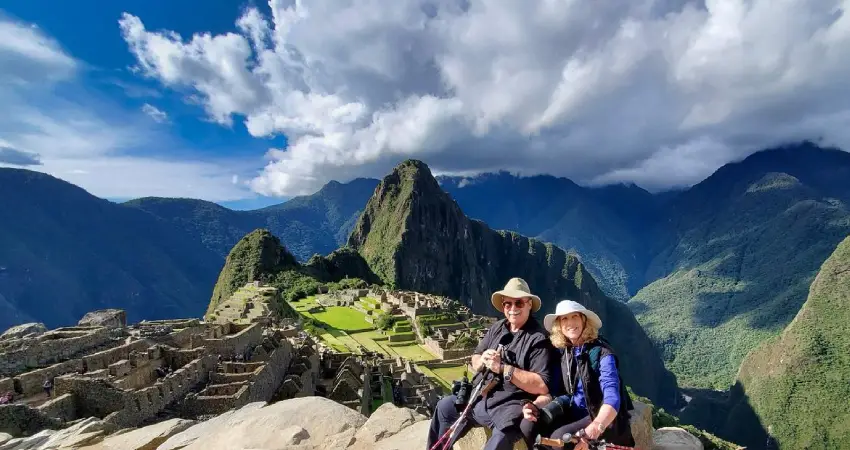
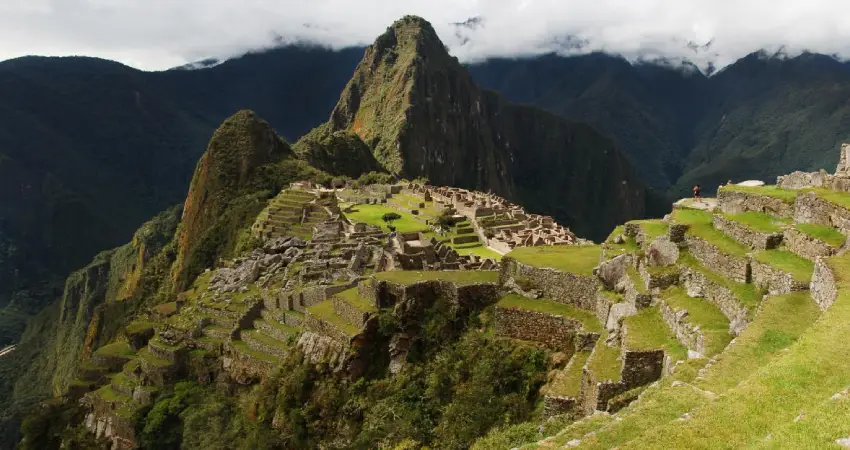
Visiting Machu Picchu in March has several advantages that you should take advantage of during your stay. First and foremost, you can enjoy a pleasantly balanced climate during this month, with incredible views of the citadel and fewer visitors. This is one of the most popular months for travelers with organized plans, as daytime temperatures are expected to range between 18°C and 23°C. However, this is also a notable characteristic of the evenings, as temperatures can be quite cool, but the surroundings and the perceived temperature are pleasantly fresh and tolerable. Regarding rainfall, this month sees a considerable decrease in both frequency and intensity, although you may still experience some rain, especially during the first few days of the month. Therefore, it’s best to visit the citadel in the afternoon.
Another important aspect of visiting Machu Picchu in March concerns the humidity. Since it’s the rainy season, it’s normal to experience intense humidity during the early morning hours, which gradually dissipates as the sun climbs higher in the sky. Of course, it’s important to understand that due to Peru Machu Picchu weather in March, there’s a possibility of rain during your visit. Therefore, it’s recommended to pack a rain poncho. Furthermore, something that few people know is that these climatic characteristics contribute to the mystical and unique atmosphere of the surroundings, which is highly valued by travelers who come to enjoy the visual spectacle.
2.- Can you visit Machu Picchu in March?
We’re sure you’ve heard some worrying information about the Peru Machu Picchu weather in March, and you’re probably wondering, Can you visit Machu Picchu in March?. The answer is yes, in fact, this is one of the best months to visit Machu Picchu. One of its main advantages is the lower number of visitors, making for a more personalized experience and allowing for a more intimate visit. You’ll also notice shorter lines and more availability for main attractions like Circuit Two. The best time for your next visit to Machu Picchu in March is during the second half of the month, as this is when most of the rain gradually decreases, allowing most activities, such as hiking on the trails and Inca roads, to take place more smoothly and safely.
3.- WEATHER IN MACHU PICCHU DURING MARCH
3.1.- Daily Temperature Breakdown
It’s very important that during your next trip planning you know the details about Machu Picchu in March Weather. The most important thing to understand is that moderate temperatures are generally expected, though they can vary between day and night. During the day, temperatures are expected to be between 18°C and 23°C, which is ideal for enjoying a comfortable experience without feeling stuffy or uncomfortable due to high temperatures. On the other hand, at night, temperatures are expected to be between 10°C and 14°C, making the nights feel cooler, especially in the town of Aguas Calientes. This temperature variation is generally related to the altitude at which the various tourist attractions and landmarks are located.
| “Escape the ordinary, embrace the extraordinary.” |
3.2.- Rainfall
A key aspect of the Machu Picchu in March Weather is that this period falls within the rainy season. There is a moderate variation in rainfall from the beginning to the end of the month, averaging 120 mm. This means that during the first few days of the month, there is a consistent frequency of rainy days. However, the rain is always intermittent and primarily occurs only during the afternoons and evenings, so daytime activities can be enjoyed without complications. Therefore, it is recommended that travelers planning activities involving extensive hikes through the mountains to reach Machu Picchu choose the last few days of the month.
3.3.- Recommendations for your visit
One of the biggest benefits of visiting Machu Picchu in March Weather is that the trails begin to stabilize optimally. The often wet or slippery areas gradually disappear, making hiking activities that guide travelers from the high mountains to the Inca citadel of Machu Picchu increasingly popular. For this reason, it’s very important to book in advance to ensure a smooth experience. Another important aspect is clothing. Since it’s a rainy season, it’s recommended that you pack waterproof clothing and windproof jackets, which can be useful in these weather conditions. Footwear is also crucial; remember that many trails are still slippery, so it’s best to wear appropriate shoes that provide good traction and prevent slipping or other accidents.
4.- MACHU PICCHU TICKETS AND AVAILABILITY IN MARCH
Planning your trip to Machu Picchu in March means organizing an incredible and unique experience. However, it’s also important to understand what kind of experience awaits you. A key part of this planning is knowing the details about the entrance tickets currently available and necessary for a complete Machu Picchu adventure. There are currently three types of circuits, divided into planned routes designed to properly organize the visit of the travelers who arrive daily at this world wonder.
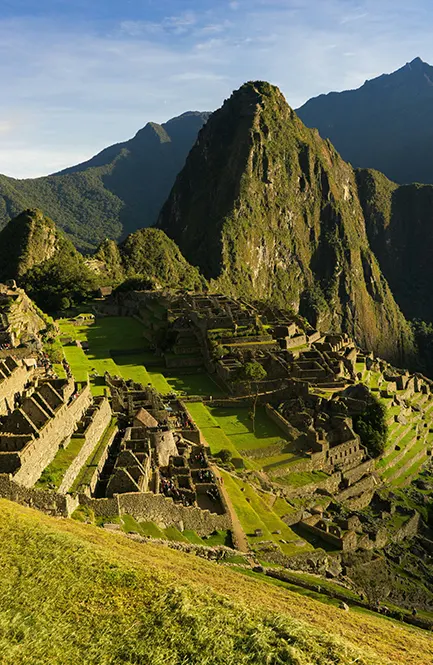
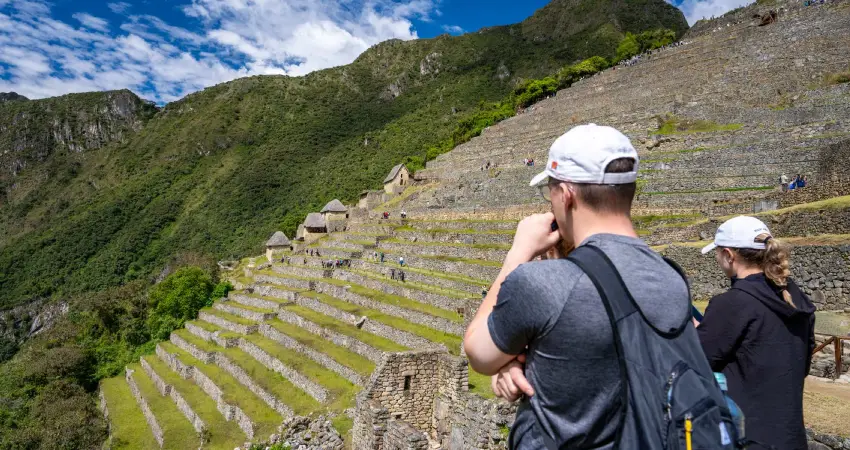
- We begin with Circuit 1, which is popular for offering a panoramic view of Inca city. This circuit is further subdivided into four routes, each designed to provide passengers with a different perspective and access to iconic landmarks such as Machu Picchu Mountain, the famous Inca Bridge, and the popular Sun Gate. These routes are specifically designed for travelers with limited time who only have the opportunity to visit the panoramic portion of the citadel. Here, you can get the famous postcard photo with the traditional backdrop of Machu Picchu, primarily from the upper terraces. It’s important to understand that this circuit does not allow access to the urban area.
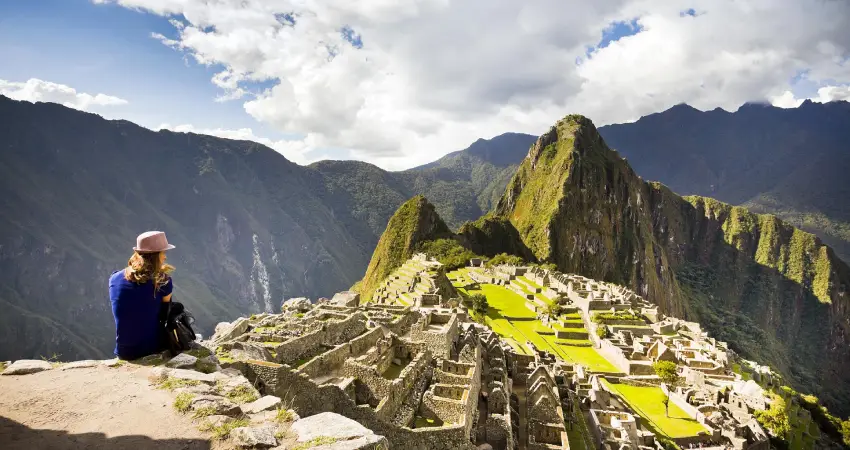
- Circuit 2 is known as the most comprehensive, offering travelers the opportunity to enjoy panoramic views with ample time to appreciate the traditional and historical panorama before delving into the important sites within the urban area. This experience is the most classic among the options available during your visit to the Inca citadel. By combining panoramic views with immersive historical experiences, you can discover how a civilization was able to develop on such a scale. This circuit has been designed primarily for first-time visitors to the Inca citadel, giving them the opportunity to experience the most important aspects in a complete way.
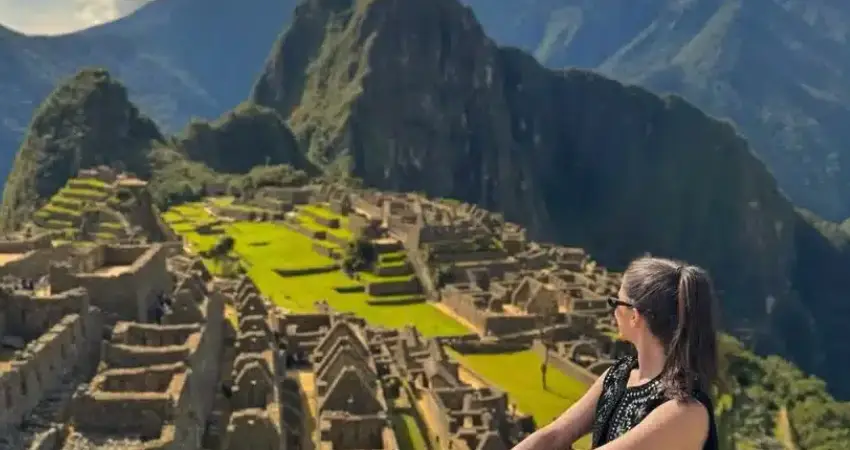
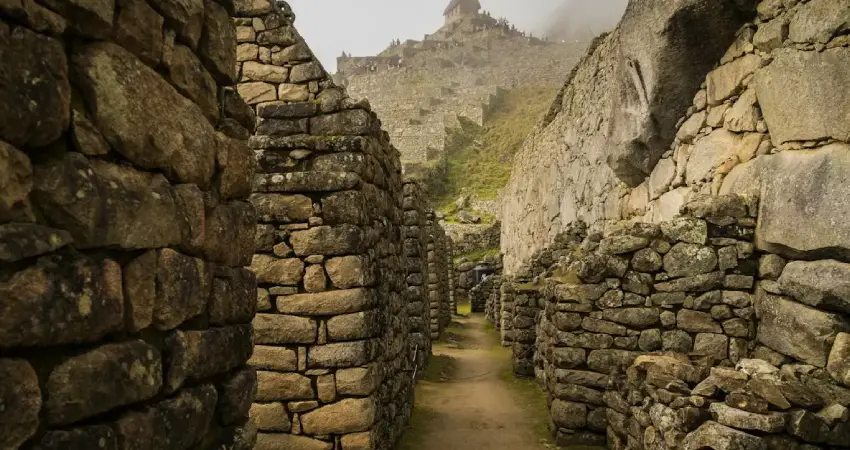
- Finally, we have Circuit 3. This circuit is designed exclusively to provide a traditional experience within the urban area, focusing solely on the lower section. It offers travelers a much faster and more direct introduction to the traditional knowledge, allowing them to visit the most emblematic sites such as the Temple of the Sun, the Main Plaza, the Sacred Rock, the Temple of the Condor, and more. This circuit is specifically planned for travelers with limited time who still want a more comprehensive experience. It is also ideal for those who have previously visited Machu Picchu and simply wish to focus on specific key sites.
5.- Booking Recommendations for March
Remember that March is a shoulder season, so demand gradually increases. If you plan your trip during this month, it is important to book at least three months in advance if you specifically want to enjoy the full version of Circuit Two. Furthermore, if you are more specific about your schedule, it is important to book even further in advance. Although there is usually availability, it’s best to be cautious, as it’s a transitional season and availability can vary depending on the year, sometimes selling out quickly. While last-minute reservations are possible, they aren’t recommended, as there’s always a chance that the time slot that best suits your plans will be unavailable.
The same applies if you’re looking to complement your experience with traditional hikes like Huayna Picchu. During March, the number of visitors remains moderate, but keep in mind that everything is subject to limited availability, and if you haven’t properly booked your spot, you could encounter complications during your trip. Despite the variable weather, it doesn’t affect the visibility you’ll get when ascending the high mountains, making them some of the most iconic for enjoying a truly comprehensive panoramic view. In some cases, it is recommended to do the hike mainly for Machu Picchu mountain and for Huchuy Picchu, since its geography allows for better safety during the route and is suitable for most travelers, since Huayna Picchu mountain is slightly steeper, representing a greater challenge in terms of physical fitness.
6.- THE BEST TIME FOR A PHOTO
“A trip to Machu Picchu in March is one of the most incredible experiences you can enjoy, not only because of the pleasant weather, but also because there’s an ideal time that becomes even more special during this season: the first and last hours of the day. This time is known as the golden hour, when the sun’s rays completely bathe the citadel, creating a mystical landscape that resembles a golden city.”

7.- FREQUENTLY ASKED QUESTIONS
- Is March a good time to visit Machu Picchu?
March is considered one of the best months of the year to enjoy your visit to Machu Picchu in a unique way. This is especially true for travelers who want to explore the site comfortably, visiting its most important areas with fewer crowds, while enjoying the lush greenery thanks to the rain.
- How much does it rain in Machu Picchu in March?
March falls within the rainy season, so expect frequent rainfall during the first few days of the month, with an estimated total of 120 to 180 mm throughout March. However, keep in mind that most of the rain falls during the afternoon and evening.
- What is the weather like in Machu Picchu in March?
The climate is considered temperate and humid, mainly due to the rain that occurs in the late afternoon and evening. During the day, the perceived temperature can range from 18°C to 23°C, while the nights are cooler, with temperatures ranging from 10°C to 14°C.
- Is Machu Picchu crowded in March?
Generally not, March is one of the best months for visitors seeking a more personalized and intimate experience within the Inca citadel. This means the number of visitors drops significantly, by up to 25%. However, keep in mind that Machu Picchu is never completely empty.
- Can you see Machu Picchu in March if it’s cloudy?
If there is cloud cover, it’s nothing to worry about. During the early hours of the day, it’s normal to see a layer of mist or clouds, but as the day progresses, you’ll see it dissipate due to the sun, creating a unique and visually pleasing spectacle.
Now you’re ready to start planning your next visit to the Inca city of Machu Picchu. Don’t worry about the minor details, as Auri Peru can organize a personalized experience tailored to your preferences. Contact us and our experience designers will assist you with everything you need.
“The journey is the destination.”